
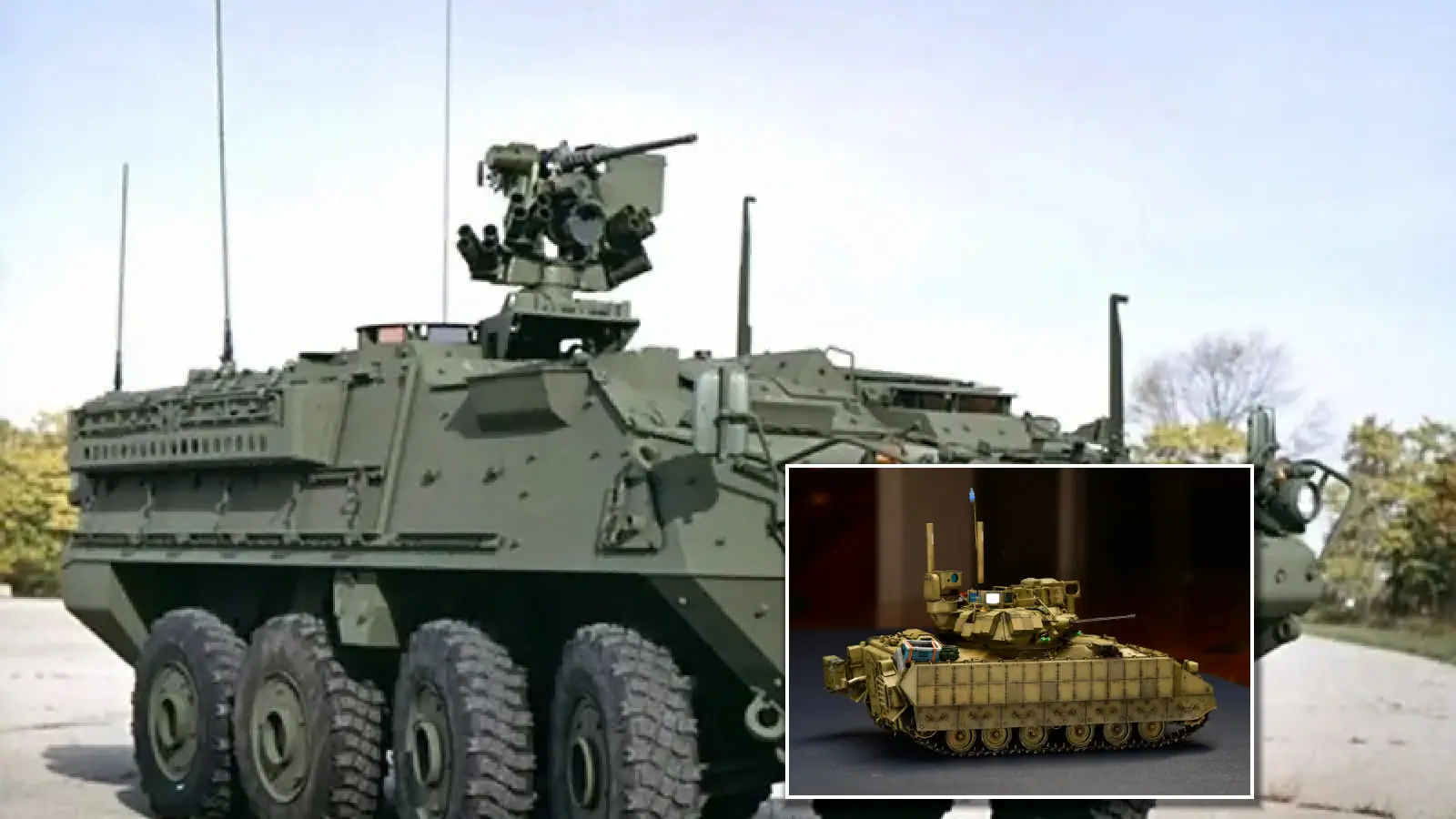
Bulgaria's Land Forces received their first Stryker infantry fighting vehicles yesterday, and three more are due by the end of the year, defence minister Dimitar Stoyanov told BNT's "The Day Begins" programme. The first five vehicles are already with the 61st Brigade.
The ministry plans a regional service centre for the Strykers in Veliko Tarnovo. It would also maintain the same vehicles for other countries in the region. North Macedonia and Ukraine have them, Stoyanov said. The ministry wants its neighbour North Macedonia to have its Strykers serviced in Bulgaria.
Maintenance has three levels. Military units handle two of them, and the ministry also wants to keep the third in Bulgaria.
Stoyanov called it a "project of delayed modernisation". The idea of new infantry fighting vehicles is more than 10 years old. Two, and possibly three, advisory councils dealt directly with army modernisation in 2017 and 2018. Stoyanov was caretaker defence minister in 2022 and 2023, when the project began under the caretaker government. The next minister signed the contract. Many governments have worked on the project, Stoyanov said.
"There are many reasons, but they are not on the Bulgarian side. We have always been correct," the minister told BNT about the delay. He said the problem lay in relations between the US and the manufacturer in Canada when the contract was signed. Stoyanov believes the lag is slowly being made up.
The minister said the contracts are standard ones. The US side uses them with other countries too, such as Slovakia and Romania, and refuses clauses on penalties for delays. Bulgaria is seeking compensation, which he described as given "in good will" but which is arriving. It includes spare parts and older vehicles supplied in advance, which Bulgarian soldiers now train on.
Another 25 vehicles are ready, and deliveries continue.
TEREM-Holding assembles the vehicles under contract. For now they arrive in Bulgaria, and extra equipment and weapons are then fitted. From January 2027, assembly will go deeper. The workload is rising step by step so TEREM staff can learn the skills they need. Stoyanov said the plant is doing a great job and meeting the deadline.
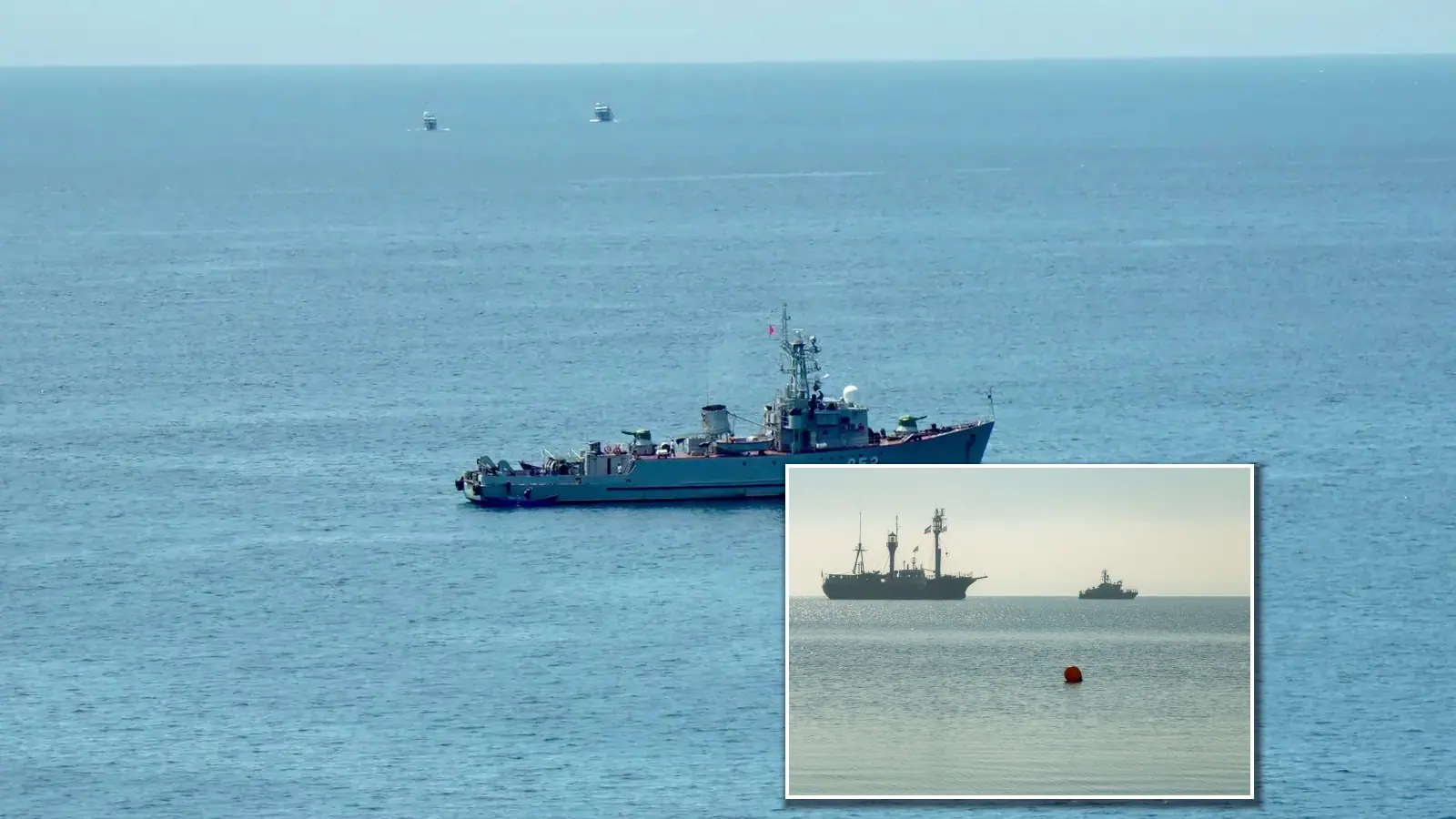
"There is a technology gap between the Bulgarian army and our allies," the minister said. He could not say in what year the army would catch up. The process will take years, and the aim is to narrow the gap bit by bit. Stoyanov named the Strykers, the F-16 fighter jets and the new ship being built in Bulgaria as steps in that direction. In its next projects, the ministry will look for ways to improve the army's capabilities and bring it closer to its allies.
Military infrastructure is among the ministry's problems, Stoyanov said. It needs a lot of money, on top of the funds for modernisation and for personnel.
Until 2030, modernisation will be paid for mainly through the SAFE programme. It provides extra money, the minister said, but the state must still raise defence spending from the national budget. NATO requires 20% of that spending to be capital spending. In Bulgaria the share is about 34–35%.
Comments (0)
No comments yet.