
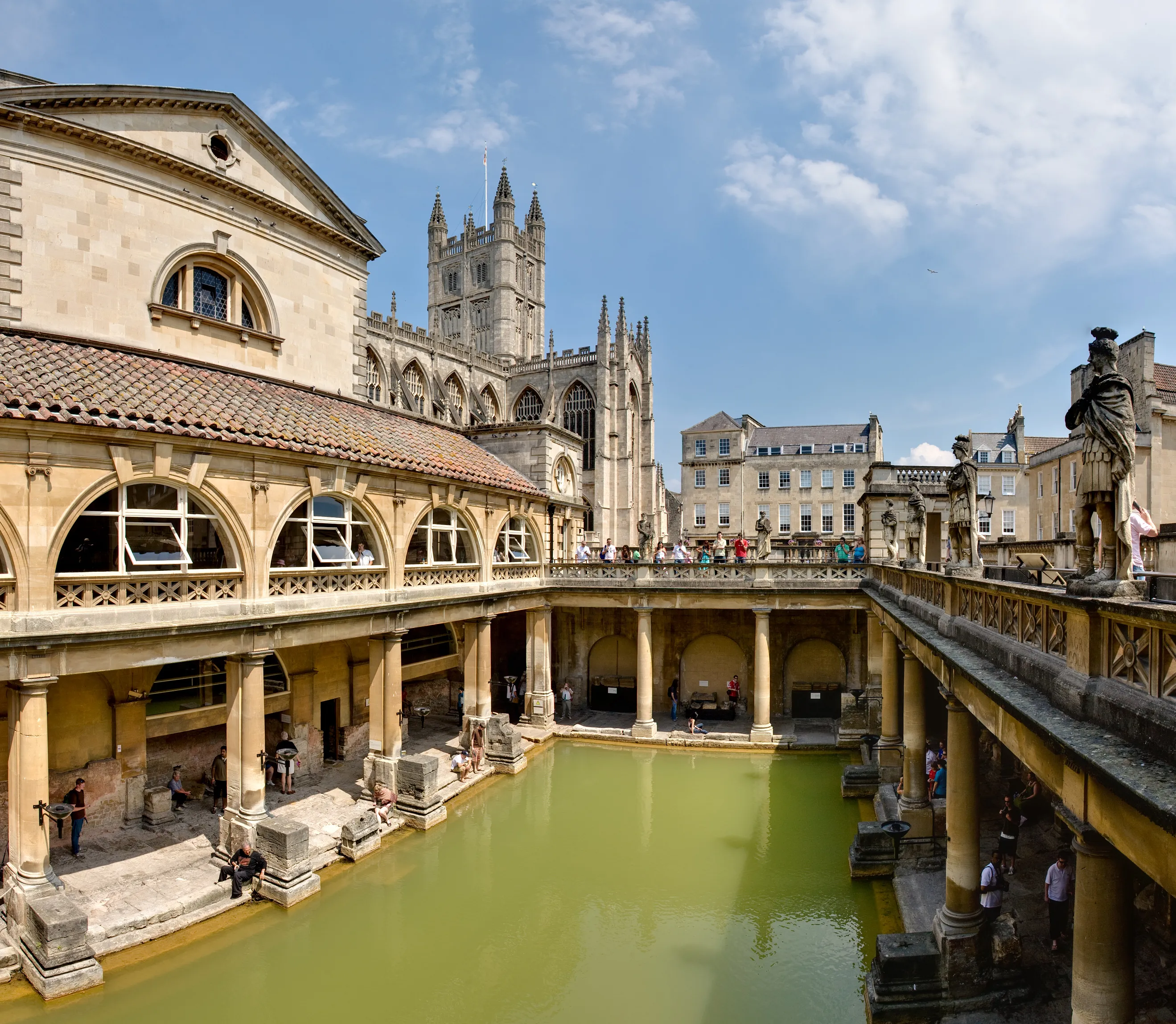
Bulgarian mineral bath culture is experiencing a gradual revival, despite decades of interruption. Specialists from leading scientific institutions are revealing the deep historical layers of this traditional practice, which today is acquiring new dimensions.
According to researchers from Sofia University, the mass construction of public baths in Bulgarian lands coincides with the Ottoman period. The geographical features of the country, rich in natural hot mineral springs, further facilitate the development of this cultural tradition.
Ivaylo Zahariev from the Bulgarian Thermal Heritage Association emphasizes that modern restored baths already have their stable clientele. Examples of successfully functioning sites are municipal baths in settlements such as Yagoda, Haskovo Mineral Baths, Strelcha, and Yakoruda.
The profile of modern visitors differs significantly from the traditional model. Today's clients are mainly people with medium and high incomes who seek a comprehensive experience, including health, relaxation, and personal time. Prices range between 10 and 20 leva, depending on the level of services offered.
Historical data reveal that centuries ago, visiting a bath was a complete social event. Assoc. Prof. Dr. Violeta Kotseva from the Ethnology Department explains that women would spend the entire day in the hammam, which functioned as a kind of public communication space.
It is also interesting that the traditional understanding of hygiene differs greatly from the modern one. According to experts, the concept acquires its current meaning only with the advent of industrialization and modern medicine.
Currently, Bulgaria has around 125 public mineral baths, with the majority concentrated in Southern Bulgaria. However, many well-known balneological centers like Hisarya and Velingrad have lost a significant number of their traditional baths.
A comparative analysis with other countries shows different development models. For example, Hungary has restored 15 baths through a municipal division, generating annual revenues of 40 million euros. Similar successful practices exist in Japan, Turkey, Germany, and Scandinavian countries.
Experts warn that the lack of a targeted policy for restoring mineral baths can cause serious damage not only to the tourism image but also to the country's economic potential.
Restoring sites like the Central Mineral Bath in Sofia requires significant investments – around ten million leva. Despite this, specialists see enormous untapped potential in this sector.
The future of mineral baths in Bulgaria depends on the ability to combine the traditional approach with modern tourist trends while preserving the authenticity of cultural heritage.



Comments (16)
Старите бани са super, но кой ще вложи пари да ги възстанови? 👏
Chudesna ideya, no chakame evropeyski subsidii....!
Страхотен шанс за местната икономика! Защо не го правим досега?
Айди бе, друго ли нямаме да правим освен да се мокрим в общи бани? 🙄🚿 😏
аз: 🧖♂️ топло е, не е ли? 😂