

March 10, 2026. Even before spring has arrived, many Bulgarians are already planning their vacations. Some decide to enjoy the exoticism of the Middle East and North Africa, others prefer closer destinations. But what happens when the geopolitical situation plays a role in vacation plans?
Expert assessments and expectations
Experts in the tourism industry are optimistic. They suggest that the problems with travel to more exotic destinations will be resolved within a few weeks.
Professor Rumen Draganov from the Institute for Analyses and Evaluations in Tourism explains that North Africa is unlikely to be affected by what is happening. He points out the stability of travel to Egypt, Tunisia and Morocco. "The bigger problem is in the Middle East, where military operations are currently taking place," comments Prof. Draganov. "I assume that by March 15 there will be developments in the situation and then the restoration of flights from a large part of the affected destinations will begin. From April 1 onwards, we will have a complete restoration of the flight programs."
The Balkan choice and the future of tourism
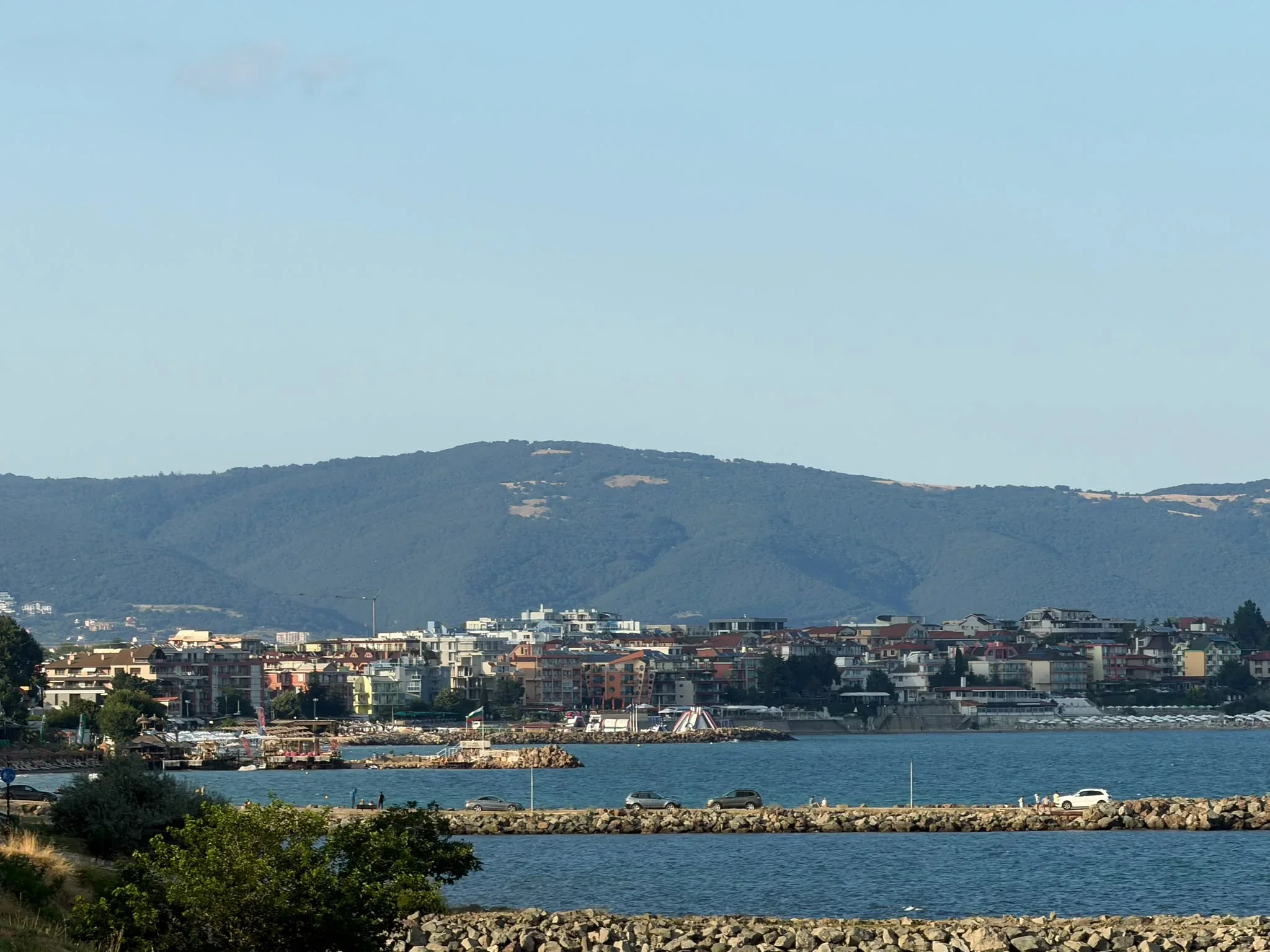
In the last week, tour operators have reported an increase in reservations for Greece, Albania and Bulgaria. If the tension in the Middle East persists, this trend is expected to continue during the summer.
Will geopolitical uncertainty permanently change our travel habits? Will the desire for exoticism or the search for security and proximity prevail? We will see how the situation develops and how it will affect our choice for a summer vacation.

Comments (5)
Абе, хорааа, да ви кажа - напълно разбираемо е! Къде ли не война, къде ли не сатръзнини! Турция, Египет... аман от тия нерви! Правилно правят хората, че си идват тука. Българското море е нашето богатство, планините ни пазят и имаме спокойствие - кол
абе, сериозно ли никой не си помисли, че руските тролове да не би да са насъскали ти 👏
Абе, я да си ходим тука! Нашенско море, нашенска планина - к'ви са ти
Абе, хора, много правилно! Напълно подкрепям тенденцията хората да се ориентират към близки дестинации. Тоя свят стана твърде опасен. Войни, напрежение... Да си гледаме собственото! И аз си мислех за южните страни, но после видя какво става и казах "Не!".
истината е, че войната в близкия изток винаги ще има отзвук – дано все пак да успеем да си запазим спокойствие и да се насладим на лятото тук. защо въобще се тревожим за дале