

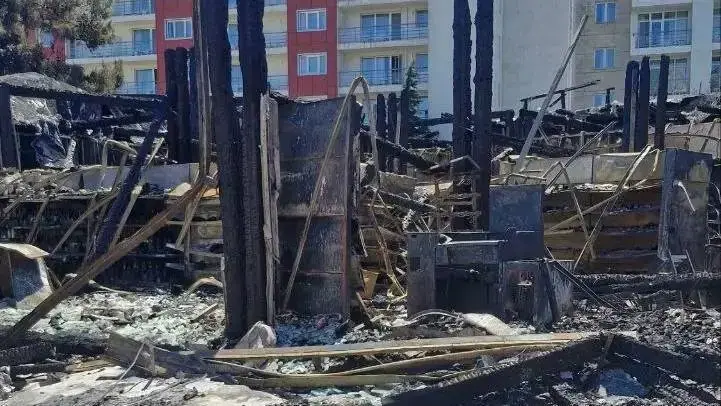
The summer season of 2025 has become a true challenge for the tourism sector in the European Union due to frequent forest fires and extreme temperatures. Countries like Greece, Turkey, France, and Balkan countries are experiencing serious climate challenges that directly impact travel and tourism activities.
According to recent data from the European Commission, the area affected by fires has increased by 13% in just a week, with the current burned hectares exceeding 290,000 – which is more than double compared to the same period last year. Temperatures have reached exceptional values, such as 50.5°C in Silopi, Turkey, and 44°C in Athens, Cyprus.
Tourism sector experts recommend travelers take several key steps when planning a vacation in potentially risky regions:
1. Insurance: It is advisable for tourists to purchase additional insurance covering natural disasters. Some insurance companies offer special packages that compensate for expenses related to evacuation, trip interruption, or cancellation within a 20-kilometer radius of the fire.
2. Communication with carriers: Different airlines have different policies during crisis situations. While Jet2 and Tui cancel flights, Ryanair, easyJet, and British Airways continue to operate planned routes.
According to Rhys Jones, a travel insurance specialist, an official statement from the relevant state institutions that the travel is risky is necessary for a successful insurance claim.
Statistics show that around 25% of British citizens travel without travel insurance, which further complicates the situation in the event of extraordinary circumstances.
The Civil Aviation Administration of the United Kingdom indicates that passengers have certain rights for flights to/from British airports. For delays over two to three hours, carriers must provide food, drinks, and compensation for phone expenses.
It is important to note that most airlines classify fires as force majeure circumstances, which means they are not responsible for potential travel interruptions or cancellations.
Experts recommend always consulting directly with the airline, hotel, and insurance provider in case of doubt. Each specific case is considered individually, taking into account the specifics of the situation.
In conclusion, tourists must be extremely cautious and informed when planning trips to regions with an increased risk of forest fires. Timely preparation, adequate insurance, and a flexible approach are the key to a successful and safe vacation.


Comments (4)
лудница! ако не внимаваме, ще изгорим цял свят...
abe ako gorite goryat, po-dobre da sme s cancelled poleti, otkolkoto izgoreli 😅
Леле, горещо е като в тиган! 🔥😅 Добре че съм си вкъщи с климатика.
Лудница! Лятото вече е истински кошмар.