
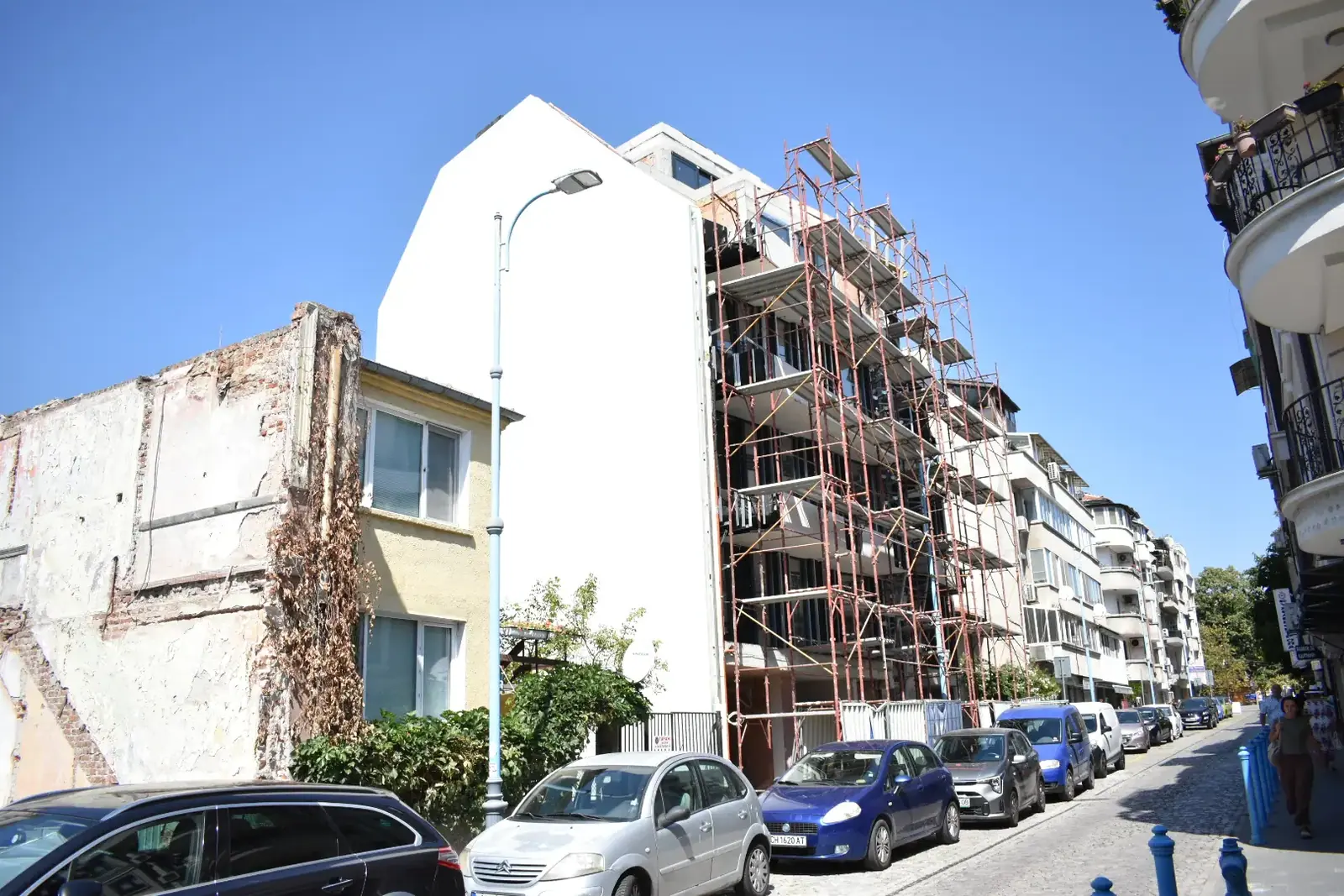
Almost one in eight rental ads in Burgas looks too cheap to be real and may be bait set by estate agents, an October analysis by the Domly platform shows. Such ads make up 11.9% of listings in the city (256 of 2,146). That is the highest share among Bulgaria's four biggest cities.
Domly marks an ad as suspicious when it comes from an agency and the price is at least 40% below the median rent for similar homes in the same district. The platform says a low price is only a reason for doubt, and a flagged ad is not proven fake. The analysis names no firms.
In Sofia, 190 ads are suspicious, or 1.8%. In Varna the figure is 130 (1.9%), and in Plovdiv 106 (2.9%). The share in Burgas is more than six times higher than in the capital. Across Bulgaria, the analysis covers 27,292 current ads, of which 911 are suspicious. The data is from 25 October 2026 and comes from imot.bg, alo.bg and homes.bg.
Burgas remains the cheapest of the four cities for advertised rents, but it has the highest share of risky ads. The median rent for a one-bedroom flat is €450 here, against €500 in Plovdiv, €550 in Varna and €650 in Sofia. A studio in Burgas goes for about €300, and a two-bedroom flat for €625. Median asking rents are highest in Vetren at €700 and in Horizont at €650. They are lower in Meden Rudnik at €300 and in Bratya Miladinovi at €420.
The analysis also describes how the scheme works. An ad shows a cheap, well-furnished flat in a good spot, with photos and a rent well below the norm for the area. When a tenant calls, the flat has "just been rented out", and the agent offers other homes, often pricier and quite different. The ad's real aim is to get a phone number and a new client for the agency.
In the worse version, the photos are taken from other websites, the flat in the named Burgas district does not exist as shown, and the agent has nothing to show.
Agents dominate the Burgas market. Only 7% of ads with an identified poster come straight from owners. The rest come from agencies. So anyone looking for a home without an agent ends up among agency offers, some of which exist to gather enquiries rather than to let a property.
People in the property trade also describe a practice in which one agency group works under several trade names. Competition is then only apparent, and clients are served by agents of the same business. The Domly analysis does not prove common ownership or coordinated action between agencies.
As far back as 2016, the media reported how agents in Burgas lured clients with fake ads and changed agency names. The practice described then included posting other people's photos, tempting prices, and offering quite different properties after the first enquiry. Ten years later, the statistics point again to the same problem, this time with figures on the share of risky offers.
See also how fake rental ads left tenants without a home and without the money they had paid.
27.10.2026



Comments (0)
No comments yet.