
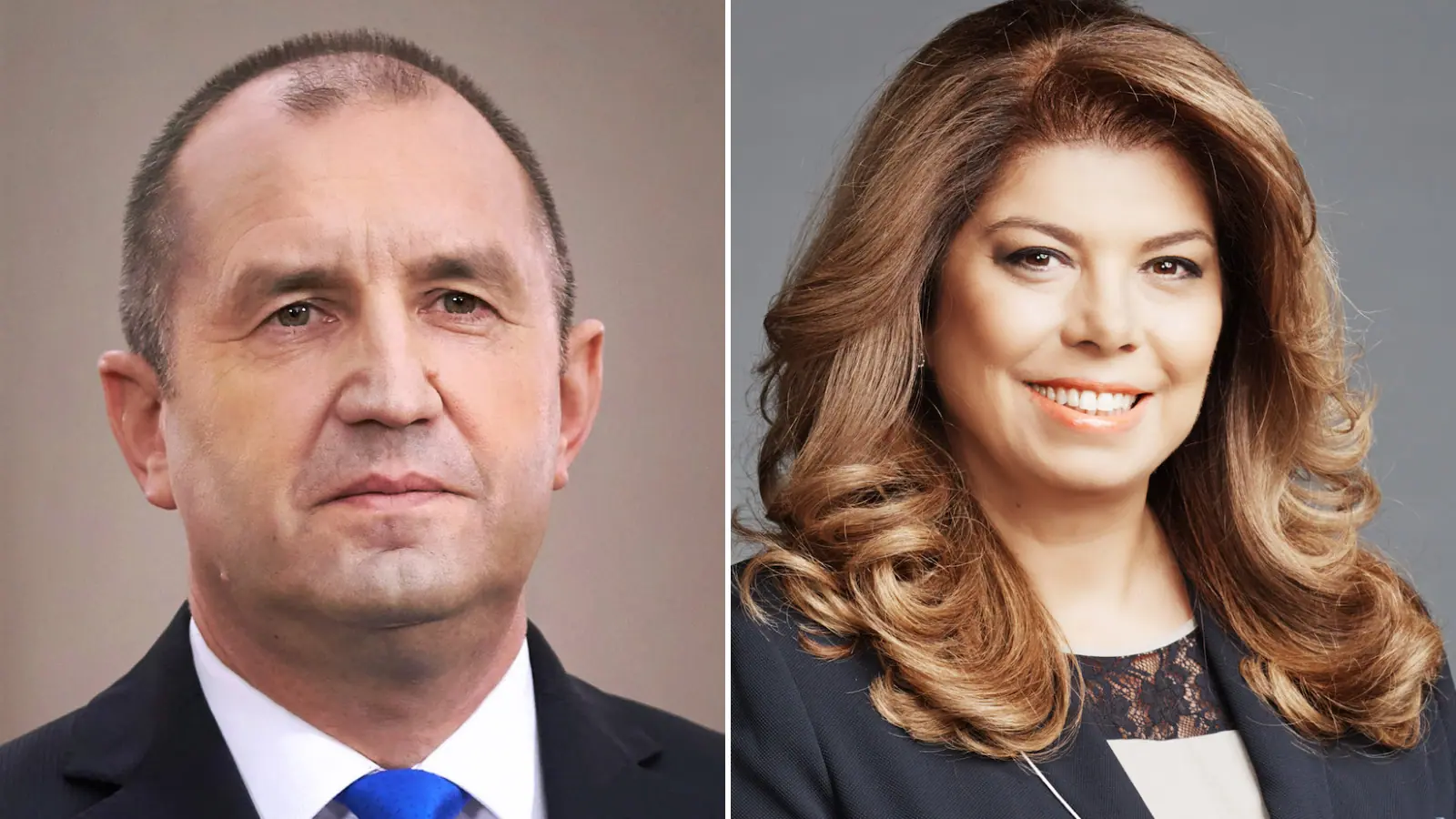
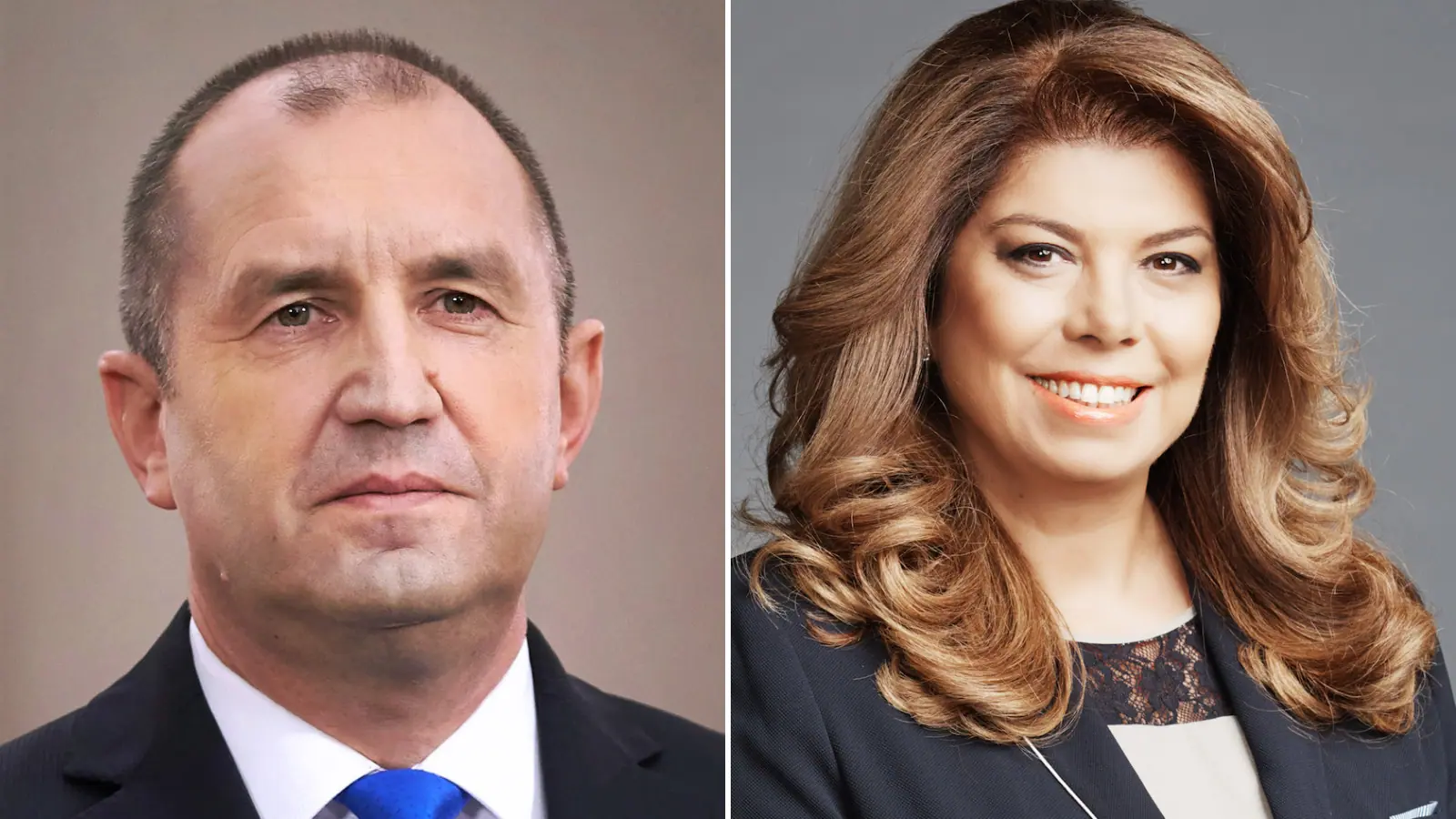
Turnout in the first round of Bulgaria's presidential election on 25 October was the lowest in any election campaign in Bulgaria, sociologist Andrey Raychev said. He called it an extraordinary event.
Bulgarians love presidential elections most, especially the first round, Raychev said. In 2016, nearly 4m people voted in the first round. In 2021 it was 2.5m. This time turnout was lower even than in European elections, which Bulgarians do not care about, he said.
Fewer people usually vote in the second round than in the first. The only exception was the race between Parvanov and Stoyanov, Raychev said. The first round brought a surprise for the "red" candidate. Parvanov finished ahead of Stoyanov with about 32% to 33%, and far more people voted in the runoff.
The usual pattern is a big rush to the polls, then a drop and a win for one of the candidates. This time, for the first time, the drop is sharp and huge. Raychev told an anecdote about the Soviet nuclear physicist Kapitsa and an upside-down graph, to warn that not everything should be explained too easily. He said he can only say how it came to this after the runoff.
Raychev offered two explanations. The first is that "Radev and Yotova have already been fined", which their opponents accept. The second is a "yellow card": the apathy could reverse in the runoff if several hundred thousand people return, because these are voters for Radev and Yotova.
PR expert Diana Damyanova estimated that between 500,000 and 600,000 people did not go to vote. She said the campaign was entirely negative, with the message "Don't vote!", and that this does not work in Bulgaria. Negative campaigns, which have been the norm here for 40 years, put people off voting. Two political forces have refused to vote, she added.
As an example of "black swans" in the campaign, Damyanova named the attack on journalist Sonya Koltukleva. The problem is not the victim, but the inaction of the speaker of parliament, who was there and did not step in, she said. Under PR rules, a campaign helps even a horse that has fallen in the street, and leaving an elderly woman on the ground is impossible.
Damyanova said the election looked like a foregone conclusion, and compared it to the first stage of Formula 1, where the ranking matters, not the winner. On top of this comes Bulgarians' hatred of the political class. In her view, President Rumen Radev not only failed to help the campaign of vice president Iliana Yotova but got in her way.
Damyanova said it is too early to declare the political end of Borisov and Peevski. If the two, especially Peevski, can still line up their voters, they still control them, she said.
Political scientist Petar Cholakov recalled that Yotova has stood in Radev's shadow for 9 years. A vice president has only the powers the president gives. Cholakov compared Yotova to the Moon, which reflects the light of the Sun, meaning Radev.
Yotova's candidacy is not purely a party one, but it is mainly backed by "Progressive Bulgaria", the party Radev is building. Cholakov said the election shows that Radev is the figure who unites and builds the party. Yotova has undeniable qualities as a politician and leader, is hardened in battles and should not be underestimated, he added. The campaign also had a symbolic moment.
Cholakov believes Yotova is trying to bring together pro-European people and those who sympathise with Russia, who are more conservative and tied to Orthodoxy. The Alpha Research data published a day earlier did not surprise him. They show that 87% of Andrey Gyurov's voters want Bulgaria to lean toward Europe. Among Yotova's voters, the split between pro-European and pro-Russian or conservative is 40 to 40, and 20% cannot say which way they want to go.
Yotova must also count on pro-European voters, Cholakov said. He asked how that will happen, given that one of the pillars of her campaign was Krasimir Karakachanov, who also backed her in TV election studios.



Comments (1)
Най-ниската избирателна активност ли? И какво значи това, всъщност?