
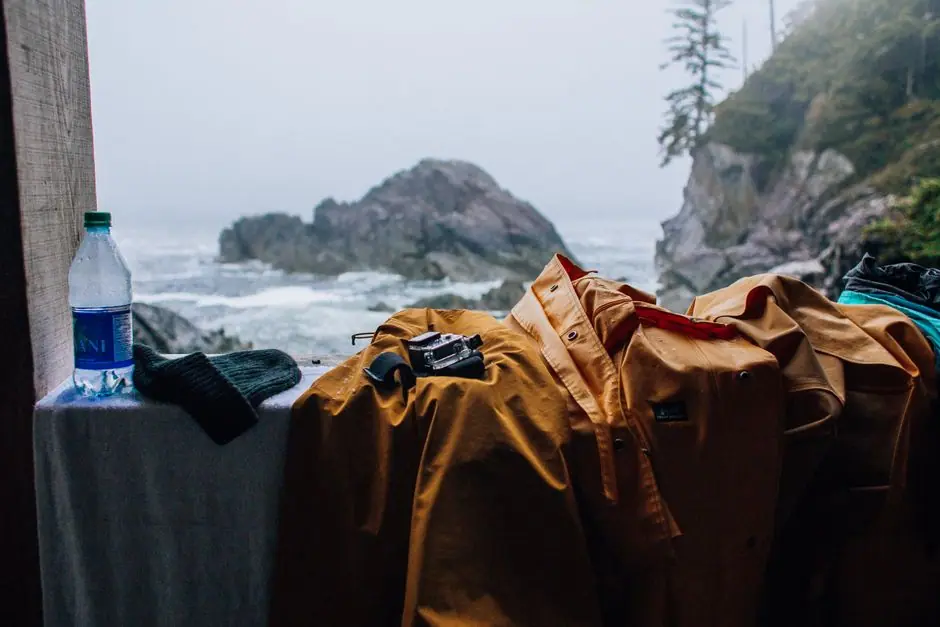
A raincoat sold under the Trespass brand on the website of Swiss retailer Manor contains PFAS at more than 230 times the Swiss legal limit. It is the highest result in a Greenpeace Switzerland test of 23 jackets for adults and children. The lab found PFAS in 14 of them, and five are over Swiss legal limits.
PFAS are a large group of man-made chemicals that contain fluorine. They hardly break down, so they are called "forever chemicals". They make fabrics repel water and stains, which is why they are used on raincoats. Greenpeace says they build up in the body and in nature. Possible effects include a weaker immune system, higher cholesterol, liver damage and problems with growth and reproduction.
Results by brand and how the firms replied
The jackets were bought from Swiss shops and online. An environmental institute in Bremen, Germany, analysed the samples. Jackets sold by Shein, Temu, H&M, Zara and Manor were over the limit. PFAS were also found in items from H&M, Zara and C&A, which have voluntarily promised to avoid them. For C&A, Coop, Migros and Digitec Galaxus, samples either showed no PFAS or were within the limit. For H&M, Zara and Temu, the excess was smaller than for the Manor jacket, which had the highest level.
The firms responded in different ways. Manor removed all Result and Trespass products from its website, said they came from outside partners, and said it would hold the makers to account. H&M stopped selling the jacket in question and allows returns in store. Temu took down the jacket and similar products until new tests are done, and Shein pulled it from sale worldwide. Zara had not replied to an inquiry before publication.
Only 35 of thousands of PFAS
The lab looked for 35 PFAS out of the thousands known. Greenpeace admits that jackets with no PFAS found may contain others.
The report does not give the numerical limit, the substances it covers or the unit. It says only that five jackets exceed "the legal limits in Switzerland". So "230 times" cannot be turned into grams per kilogram, and it is not clear how dangerous a jacket with that level is. The test is a small sample from one market, and the results are judged against Swiss rules, not Bulgarian or EU-wide ones.
Greenpeace wants the Federal Council to ban the whole PFAS class, not one substance at a time. It says that when single substances are banned, makers swap them for a close relative. The group says the results show that alternatives without PFAS exist. In December 2025, the Swiss government decided to draw up a plan on persistent chemicals by the end of 2027.
PFAS-free coatings, washing and EU rules
Some brands advertise a PFAS-free coating while the membrane beneath it still contains PFAS, so it pays to read the full specification of a jacket. A 2024 Ethical Consumer report found that 82% of the outdoor brands it rated still use PFAS. Páramo, Finisterre, Fjällräven, Vaude, Patagonia and Keen say they have switched fully to PFAS-free products. These are the brands' own claims, not lab checks.
How you care for a jacket also matters. A study cited by the European Commission found that when polyamide fabric was artificially aged, levels of some PFAS rose. Washing and tumble drying cut many PFAS, which means they come off the fabric and can reach waste water. For PFAS-free jackets, the advice is to use a special membrane detergent rather than a regular one, rinse the machine first, rinse twice and tumble dry for a short 5–10 minutes. When water no longer beads on the jacket, wash it and re-proof it with a PFAS-free product.
In the EU, the limit on PFHxA, one of the shorter PFAS, applies from 10 October 2026 to clothing, accessories and shoes for ordinary consumers. The limit is 25 parts per billion for the substance itself and 1,000 parts per billion for related substances. Products put on the market before that date are not covered. A general ban on the whole PFAS class is still under discussion. The final opinion of the ECHA socio-economic analysis committee is expected by the end of 2026, and adoption in 2027 or 2028. Swedish, German and other national rules remain different. From 1 July 2026, Denmark has a national ban on imports and sales of clothing and shoes with total fluorine of 50 mg per kilogram or more.

Comments (0)
No comments yet.