
Parliament's budget committee has approved, at second reading, changes to the corporate income tax law that bring in a one-off 33% tax on windfall profits for 2027 in certain sectors. The European Central Bank (ECB) warned that the tax could hurt lending, bank capital and economic growth.
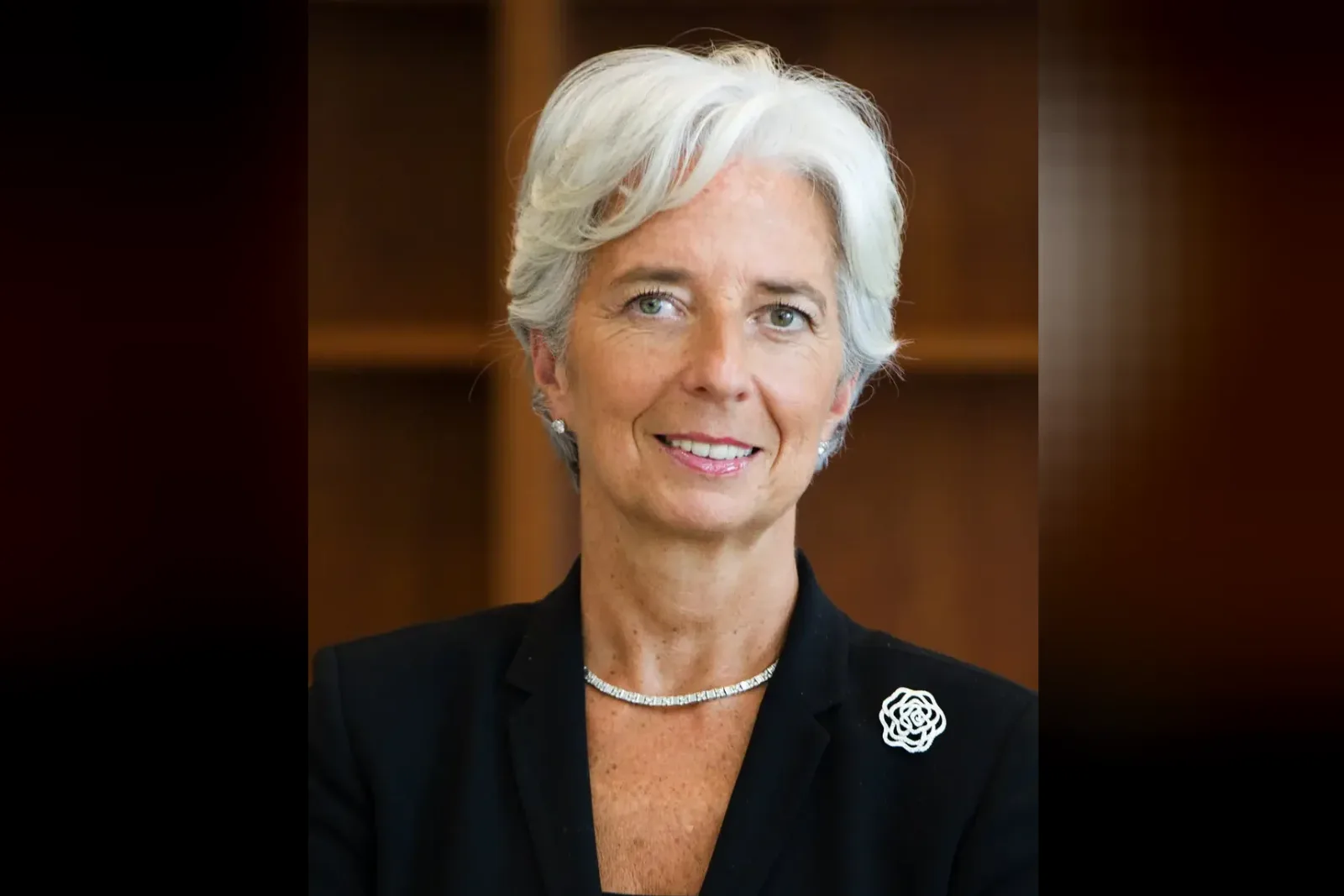
The finance ministry put the bill out for consultation on 27 October. The cabinet reworked it on 5 November. The ECB's warning is in an opinion dated 25 November, signed by ECB president Christine Lagarde. The finance ministry asked for the opinion, but it was written before the latest changes the committee approved on Tuesday, 24 November.
On 25 November the ECB warned that the tax will probably be paid on top of the 10% corporate tax, making 43% in all, and that banks may pass the cost on to their customers.
Under the texts MPs approved, the tax will be paid by banks, insurers, telecoms firms, currency exchange offices, fast-loan companies and food retailers. Only food retailers that sell to final consumers and have net sales revenue of at least €25m at the end of December 2027 will pay. The threshold has been raised five-fold from €5m, and wholesalers are out.
The tax base is the taxable profit for 2027, minus the average taxable profit for 2020–2025 plus 20%. Up to 30% of the tax due can be set aside for certain purposes, including investment and reserves. The law sets fines of €100,000 to €500,000 for taxpayers who file false data or hide facts to pay less. The budget expects €800m in revenue.
The committee rejected proposals from GERB-SDS and DPS to drop the tax from the bill. It also turned down a proposal from Democratic Bulgaria to extend the tax to energy companies.
The ECB looked at the version it was given, which covered credit institutions, insurers, currency exchange offices, providers of public electronic communications services, fast-loan financial institutions and large food retailers. That draft does not make clear whether the 33% is paid on top of the standard 10% corporate tax or instead of it. The bank thinks the first is more likely, in which case the total rate on windfall profit would reach 43%.
The ECB says some texts can be read in different ways, including how the base is worked out and when the 30% can be set aside. Because of the benchmarks used, the tax may not depend on actual profit for 2027. It could be due even when a firm has no accounting profit or is making a loss.
The regulator warns that the extra tax could disrupt the way monetary policy reaches the economy. Bulgarian banks are still adjusting to the eurozone, which Bulgaria joined on 1 January 2026, and they may cut deposit rates to cover their costs. They may also pass the cost on to customers through higher loan rates and fees or tougher lending terms. Another option is to delay new loans in 2027 to shrink their profit for the year. That would limit credit just when firms most need money for stock and working capital.
The ECB accepts that Bulgarian banks are well capitalised and earn good profits. But it says smaller retained profit will stop them building capital buffers and financing the economy, and will leave them more exposed in a shock.
It is also unclear whether the 30% that can be set aside may go towards building buffers in advance. The ECB says this will probably be possible only if a bank fails to meet the legal requirement, so capital could not be strengthened ahead of time.
The bank sees a risk of more fragmentation in the EU financial system because of differing national rules, and of double taxation for banks that work in several countries. It also warns about competition. New companies are taxed on all their profit, not just the part above the historical threshold, and this could put new firms off entering the market. The ECB recommends that the bill include an in-depth analysis of the effect on banks' long-term profit and capital, on access to funding, new loans and their terms, and on competition and liquidity.
The regulator also wants the revenue from the extraordinary tax kept apart from other money in the budget and not used for a general cut in the deficit.
As early as September, Bulgarian National Bank governor Dimitar Radev warned in a statement on the bank's website that the tax could make credit more expensive, limit investment and raise the state's borrowing costs. He said the cost would pass to customers through interest rates, loan terms and bank services. "Raising taxes has a price," Radev wrote. He said bank profit is their main domestic source of capital, and it decides whether they can take risk, lend and cover losses in a bad economy. Radev pointed out that the base period covers the pandemic, unusually low interest rates, the inflation and energy shock and a sharp change in rates. He said 2020 was a crisis year with much lower bank profit, so part of the recovery after it could count as excess return.
IMF managing director Kristalina Georgieva said in an interview in Bangkok on 18 October that one-off fiscal steps can help but do not solve problems for good. She said budget reserves against outside shocks should be built from revenue that covers lasting needs, not from temporary income.



Comments (0)
No comments yet.