
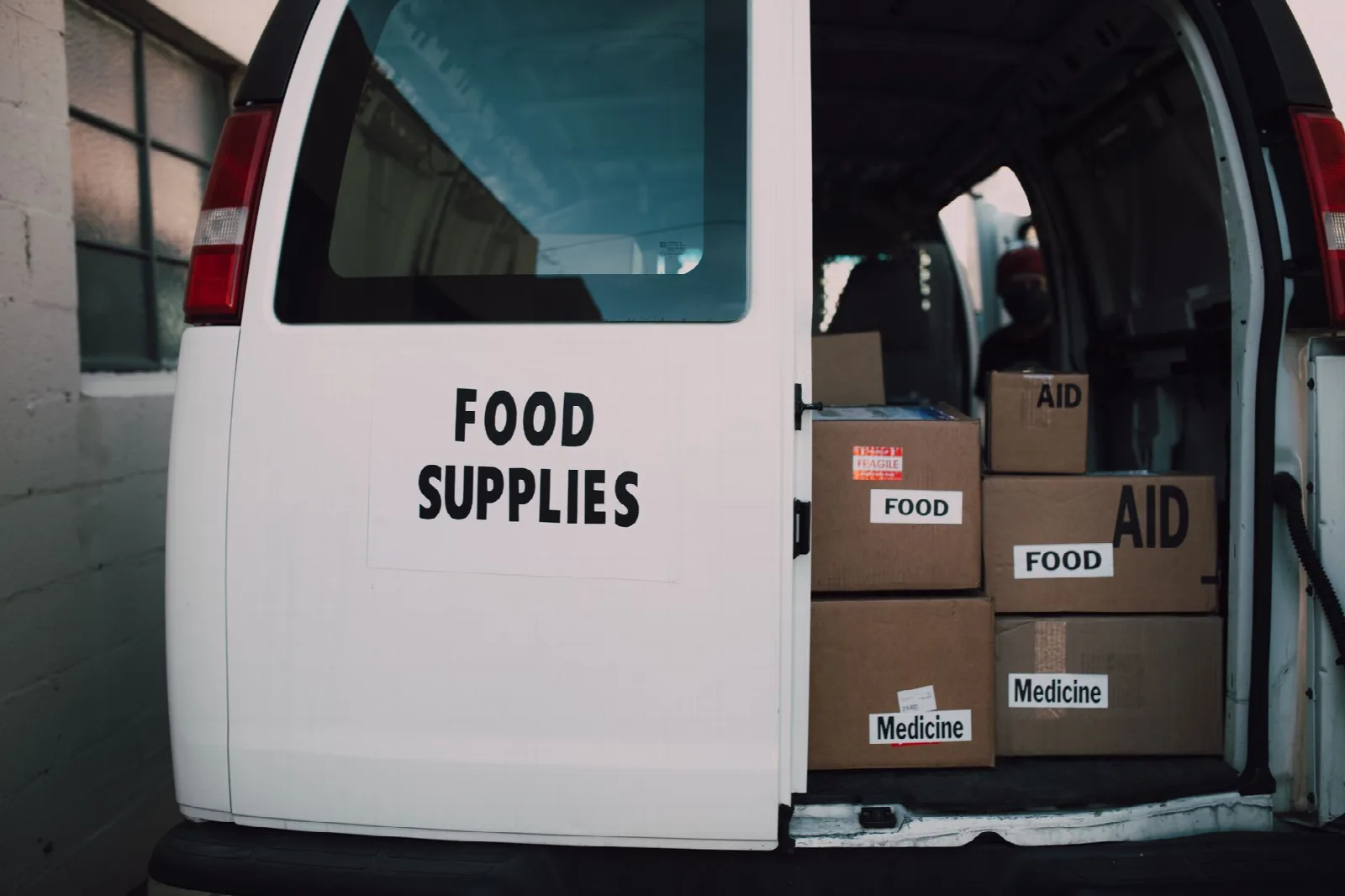
The first truck carrying medicine and food in almost four months entered Russian-occupied Oleshky on 17 September. Before that, the town had not had a regular delivery since 26 May.
Russia has occupied Oleshky since 24 February 2022, the first day of its full-scale war on Ukraine. The town, on the left bank of the Kherson region, had about 25,000 people before the invasion. Now more than 6,000 civilians remain in the district, around 200 of them children. Between 1,500 and 2,000 people still live in Oleshky itself, including about 50 children, while the rest are spread across nearby villages — six settlements in all within one district.
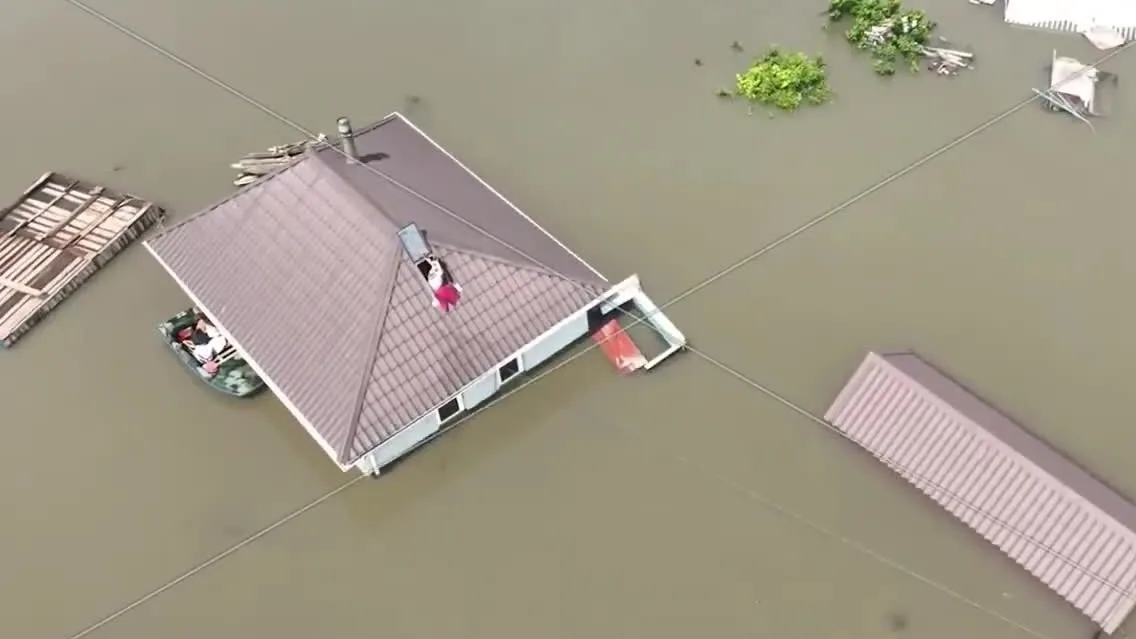
On 6 June 2023, Russian forces blew up the dam at the Kakhovka hydroelectric plant. Volunteers managed to get some people out under fire at the time. Oleshky has had no power or gas since 2023, and people rely on well water. Residents pick wild leaves and grass to eat and cook over open fires, since there's no other fuel. "There's no electricity or gas supply. Over the past month, deliveries of food, medicine and other basic supplies were completely blocked," a Ukrainian minister said.
On 2 June, four aid vehicles hit mines near the town and two people were killed. Another attempt to bring in food failed on 1 September, when mines and drone strikes stopped a convoy of four volunteer vehicles on the road. Every route into Oleshky, including the river, is mined, and Russia sends FPV drones that chase down and hit civilian cars.
Ukraine is ready to consider several options, Ukrainian ombudsman Dmytro Lubinets said: a ceasefire just long enough for a one-day evacuation, or a land corridor through Russian-held territory. His office has received 176 reports and confirmed 358 people who urgently need to be evacuated. The International Committee of the Red Cross is ready to guarantee the mission's safety to both sides. Long after talks began, Russia still had not confirmed it would go ahead with the humanitarian operation, Lubinets said. Military analyst Dmytro Snihyrov says Oleshky is a staging ground for any future Ukrainian push to retake the left bank of the Kherson region, and that Russian troops are using the civilian population as cover for their positions.
The All-Ukrainian Council of Churches has appealed to the pope, the UN and the Red Cross to help get people out of Oleshky. The appeal says civilians there "face the threat of shelling and drone strikes every day, and are left without food, drinking water or medicine." On 23 September, Ukrainian foreign minister Andrii Sybiha told the UN Security Council about a woman named Alya, who has survived on tea and honey since she last saw fresh food in early summer. Sybiha said Russia is deliberately making life in the town impossible as winter closes in, holding people there as human shields and refusing to let them leave — a tactic he compared to the siege of Leningrad and the Holodomor.
On 20 September, Ukrainians held a protest in Calgary, Canada, calling on the UN to get food and aid to the people trapped in Oleshky. On 25 September, Lubinets told reporters again that Ukraine has offered several routes to evacuate people, but Russia has blocked every one of them.




Коментари (1)
Олешки? Сериозно ли още има такива места?!