
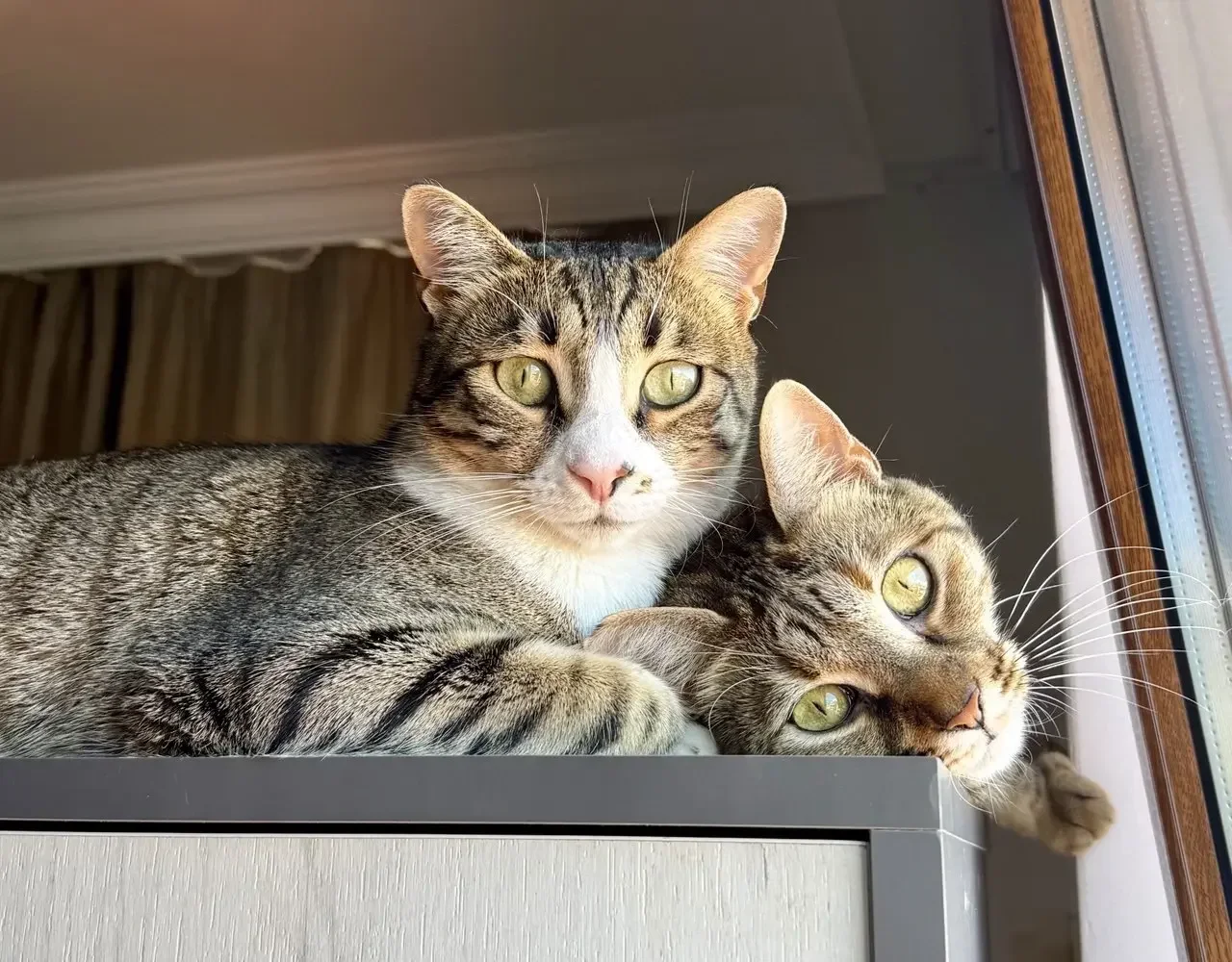
The European Parliament has approved the first-of-their-kind, EU-wide rules for the protection of dogs and cats, aimed at curbing abuses in breeding and trade and improving animal traceability. The new regulation, adopted with 558 votes in favor, 35 against, and 52 abstentions, introduces unified standards for breeding, housing, traceability, import, and keeping of pets in the EU, including in Bulgaria.
Mandatory microchipping and registration for all dogs and cats
The regulation stipulates that all dogs and cats kept in the EU – including privately owned ones – must be identified with a microchip and registered in national databases that are interoperable with one another.
For breeders, sellers, and shelters, the rules will apply within four years of the regulation entering into force. For private owners, the deadlines are longer: ten years for all dogs and fifteen years for all cats to complete the microchipping and registration of existing pets.
Ban on cruel and risky breeding practices
The new act introduces a ban on breeding dogs and cats with extreme physical characteristics that lead to health problems – for example, excessively short muzzles, limb deformities, or other conformational traits associated with chronic suffering.
Breeding between close relatives (parents and offspring, grandparents and grandchildren, siblings) is also prohibited, as well as crossbreeding between domestic and wild breeds. Furthermore, mutilations for the purpose of participation in exhibitions or competitions, such as ear cropping and tail docking, as well as the use of spike collars and choke collars without a limiter, are banned.
Stricter requirements for breeders, shops, and shelters
The regulation establishes minimum standards for conditions in breeding facilities, pet shops, and shelters, including requirements for space, access to light, freedom of movement, and social contact. The goal is to reduce poor practices and ensure humane treatment of animals kept for economic purposes.
These rules primarily apply to farms that breed and sell animals, as well as shelters. For ordinary pet owners, no additional requirements for housing conditions are introduced, beyond mandatory microchipping and registration.
Control over imports and illegal trade
The new rules also cover the import of dogs and cats from third countries. Animals imported for commercial purposes will have to be microchipped before entering the EU and subsequently registered in a national database.
Owners traveling with their pets will be required to pre-register their microchipped animal in a database at least five working days before arriving in the EU, unless it is already registered in a member state's database. The measures aim to limit illegal trade and abuse of "non-commercial" transport declarations.
When and how the regulation will affect Bulgaria
The regulation is directly applicable in all member states. Following its final approval by the Council of the EU and its publication in the Official Journal, a transition period – usually 18 to 24 months – will be set before the rules become mandatory.
For Bulgaria, this means that by the end of the decade, all dogs and cats in the country will have to be microchipped and entered into a national database. The state will need to ensure that existing registration systems are modernized and made compatible with European requirements.
Impact on breeders and pet shops in our country
Bulgarian breeders and pet shops will have to bring their operations into compliance with the new standards for humane treatment and housing conditions. This includes control over breeding practices, documentation of origin, regular veterinary care, and animal traceability.
Increased control by the competent authorities – the Bulgarian Food Safety Agency and municipal authorities – is expected, as well as stricter sanctions for illegal breeders and illicit trade, which are currently a significant problem, especially in the online environment.
What this means for dog and cat owners in Bulgaria
For ordinary pet owners, the most significant change will be the obligation to have their pets microchipped and registered in a national database within the specified deadlines – up to ten years for dogs and up to fifteen years for cats. For newborn animals, the requirement will apply from the moment of acquisition.
Microchipping will facilitate the return of lost animals, make abandonment more difficult, and help authorities better track populations and owner responsibility. At the same time, a debate is expected regarding the cost and accessibility of the service, especially in poorer regions.
The Bulgarian context: stray animals and municipal shelters
For Bulgaria, where the problem of stray dogs and cats remains sensitive, the new rules will require more active policy from municipalities. Shelters will have to meet minimum European standards for space, hygiene, and care, and every housed animal must be chipped and registered.
In the medium term, this may lead to better coordination between municipalities, veterinarians, and non-governmental organizations, but also to a need for additional funding for shelter modernization and spay/neuter and adoption programs.
Next steps: legal changes and awareness campaigns
To fulfill European requirements, Bulgaria will need to amend its national legislation – the Law on Veterinary Activities, secondary legislation on animal registration, and the rules for breeding and trade. Some of these processes are already underway, but the new regulation will impose a higher degree of harmonization.
Information campaigns explaining the new obligations of owners will be crucial to avoid chaos and sanctions. Ultimately, the goal of the new rules is not to burden conscientious owners, but to curb cruel practices, illegal trade, and the suffering of millions of dogs and cats across the EU.

Коментари (13)
аааа, пак ли?! сериозно, ес за котки и кучета... ха
Абе, хора... честно казано, малко се замислих над тая новина. Не е просто "пак ли?!" както казва Мимир, нито пък да е някаква излишна припка с котките, макар и да има по-важни неща на света - признавам си.
Абе, харесва ми! Най-сетне Ес се захвана с нещо полезно, 👍
Абе, верна е! Най-накрая нещо свястно от ЕС. Животните ни са като деца – трябва да се грижим за тях. Дано депутатите ни го разберат напълно и да приложат правилата бързо
Абе... добро е това. Накрая Ес ни кара да се държим малко по-човешки. Честна дума, гле