
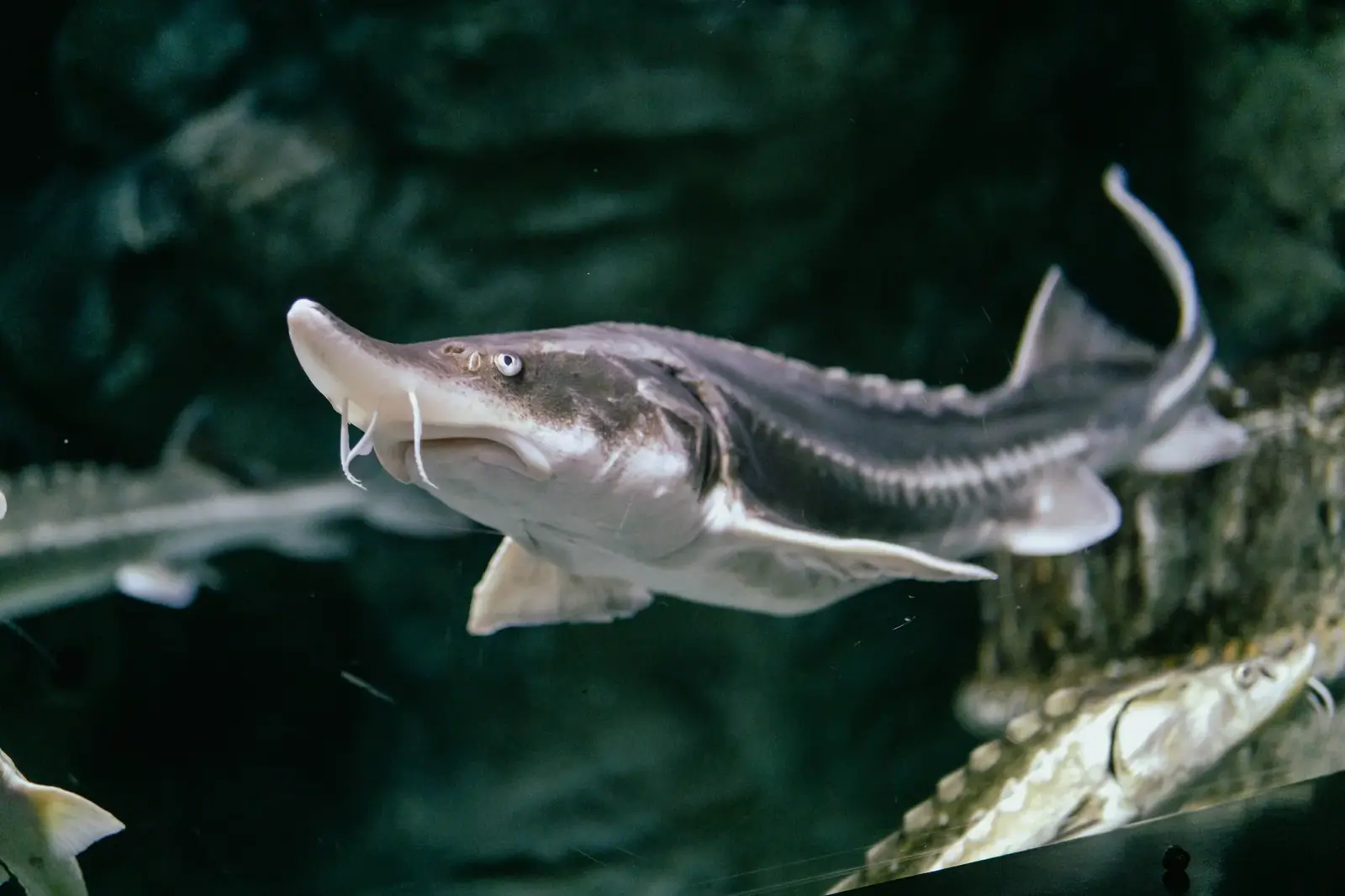
Authorities in Bulgaria, Romania and Ukraine seized at least 263 kg of illegal caviar and about 6.5 tonnes of sturgeon meat and whole fish between 2016 and 2025, a WWF report sent to the media says.
Bulgarian officials seized 1,250 illegal longlines in ten years, but officially confiscated only 25 sturgeon in the same period.
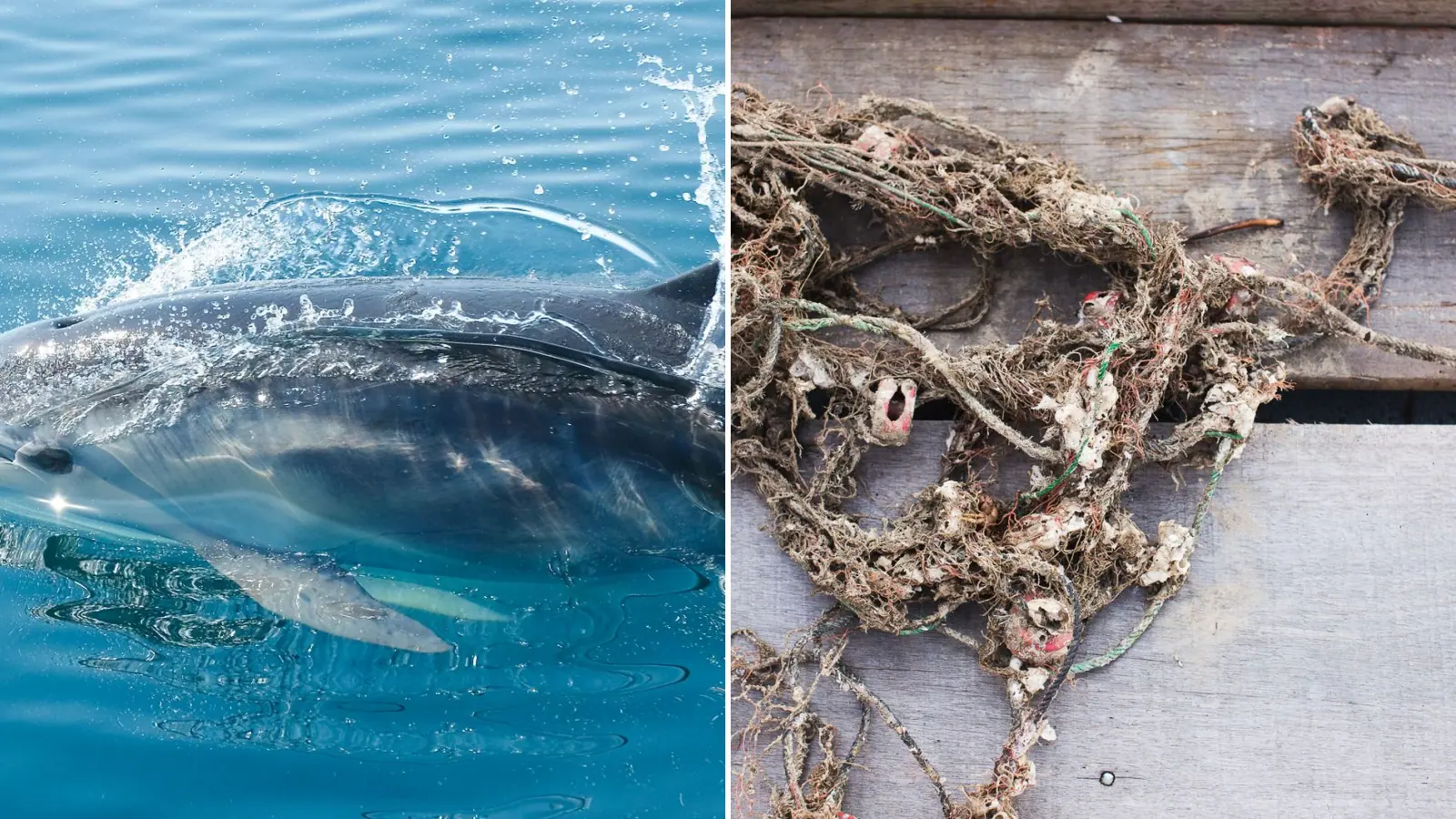
Longlines, known in Bulgaria as "kramak", are banned. They are long ropes with many large hooks that snag fish by the body rather than when they bite bait, so the fish are often badly hurt. Bulgarian authorities seized longlines totalling more than 45 km, with about 54,000 hooks. WWF says these are among the most worrying figures in the report.
The report covers the Lower Danube and draws on official data from the three countries, which WWF analysed. The documented wildlife crimes affected at least 3,366 sturgeon. As well as fish and caviar, authorities also seized many banned fishing tools.
Of 509 confirmed cases involving sturgeon or banned tools, 235 were in Romania, 175 in Bulgaria and 99 in Ukraine. WWF says the number of recorded cases does not directly show the scale of poaching, because it depends on how well checks work, how cases are reported and whether officials can reach the areas.
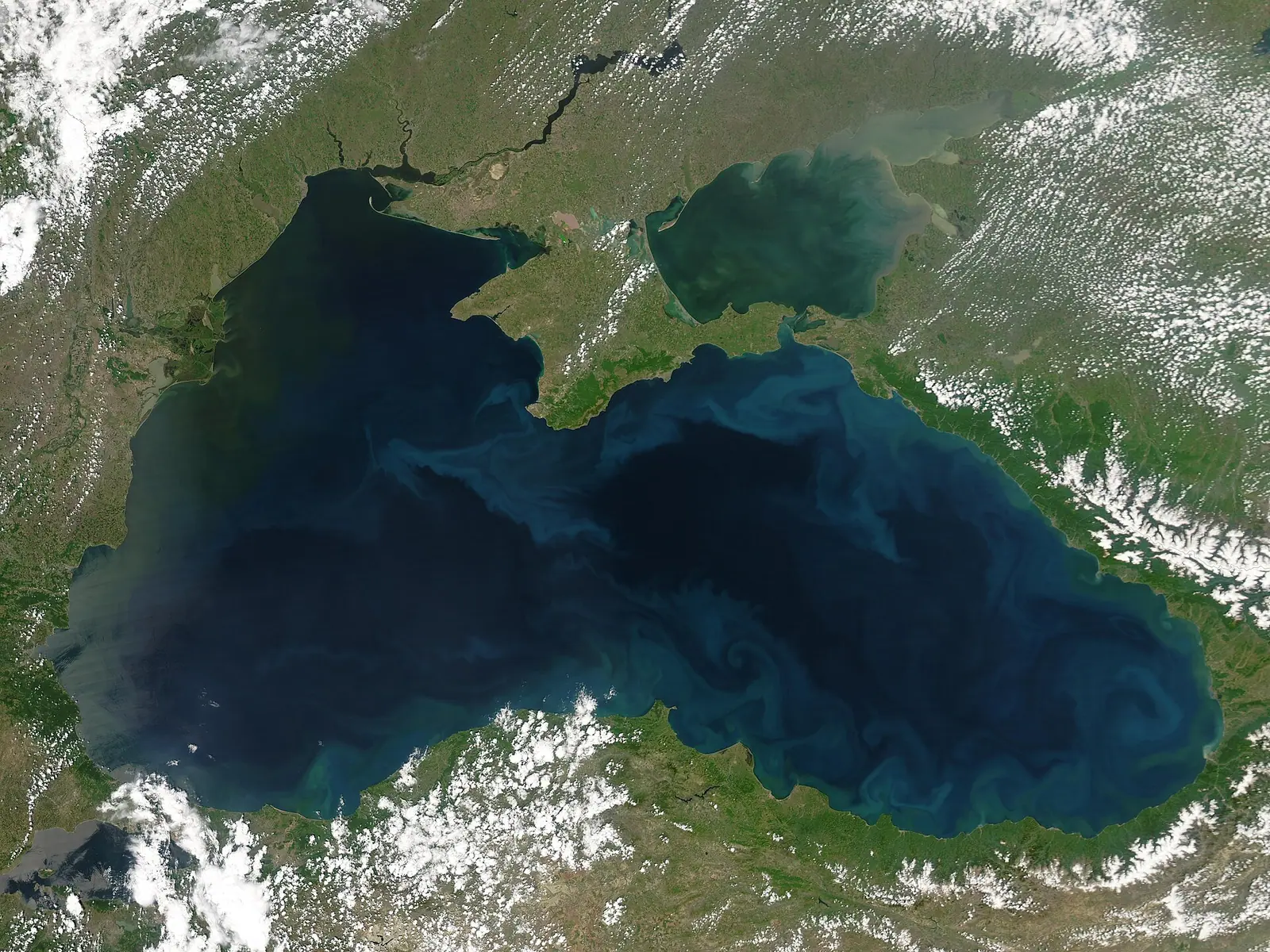
The group says this means fewer cases in Ukraine do not necessarily show that illegal fishing is falling. Russia's war against Ukraine makes checks harder in parts of the Danube delta and along the Black Sea coast, and limits access to fishing zones.
The report says poaching overlaps with key sturgeon habitats in Bulgaria's Vratsa region, in Tulcea county in Romania and in Ukraine's Odesa region.
All four native species left in the Danube are affected: the sterlet, the stellate sturgeon, the Russian sturgeon and the beluga. Among the fish seized were belugas more than two metres long and weighing up to 200 kg.
WWF says sturgeon are among the most endangered groups of animals in the world, and the Lower Danube is home to some of their last wild populations. Beate Striebel, head of WWF's Sturgeon Initiative, believes illegal fishing and trafficking remain a threat to the recovery of Danube sturgeon.
"Every fish lost to poaching is a step back for populations that are already on the brink of extinction," Striebel said.
An open-ended ban on sturgeon fishing has applied in the Bulgarian stretch of the Danube and in the Black Sea since 1 January 2026. An order from the environment and water minister and the agriculture and food minister covers catches of beluga, Russian sturgeon, stellate sturgeon and sterlet.

Comments (0)
No comments yet.