
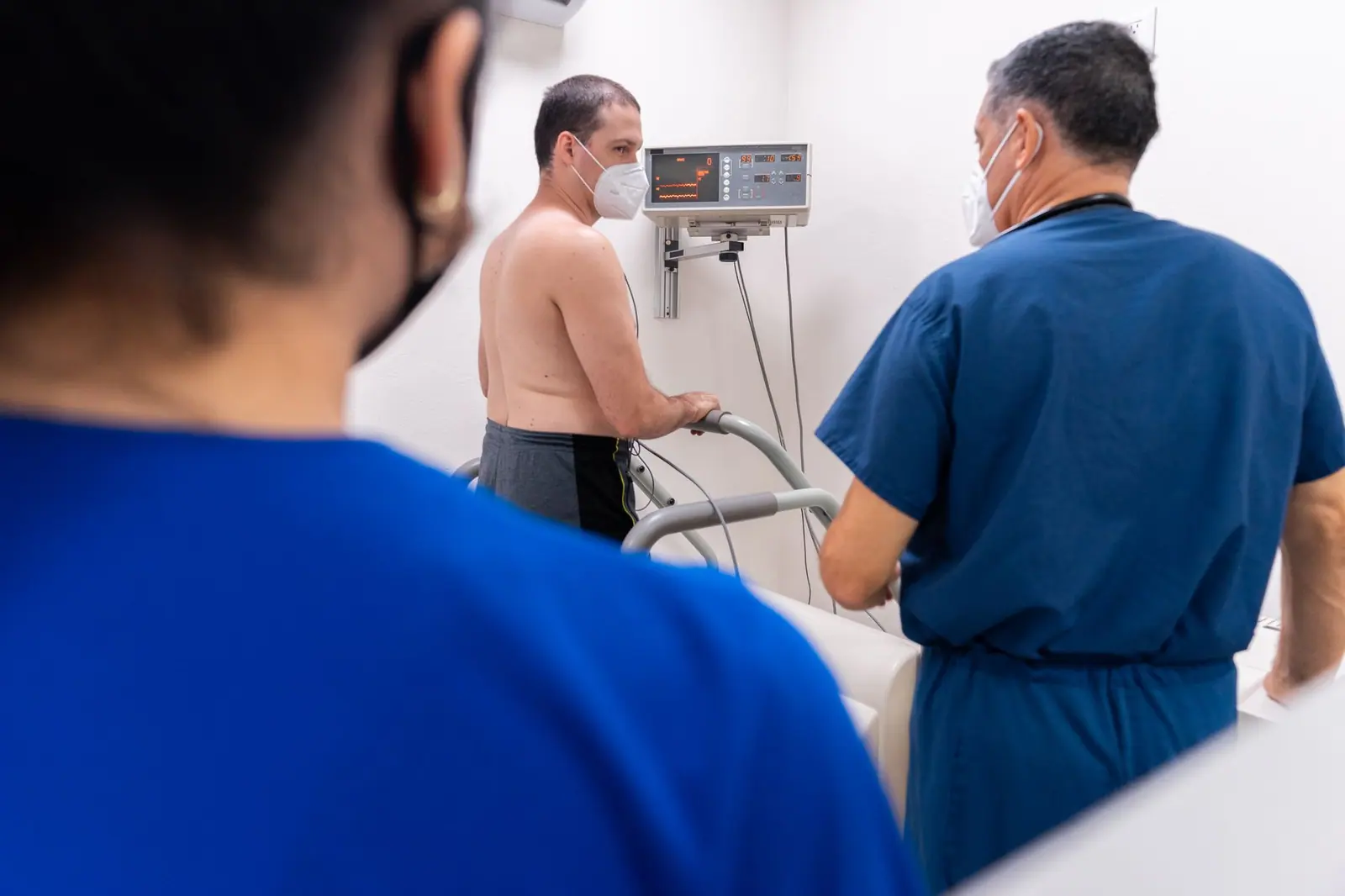
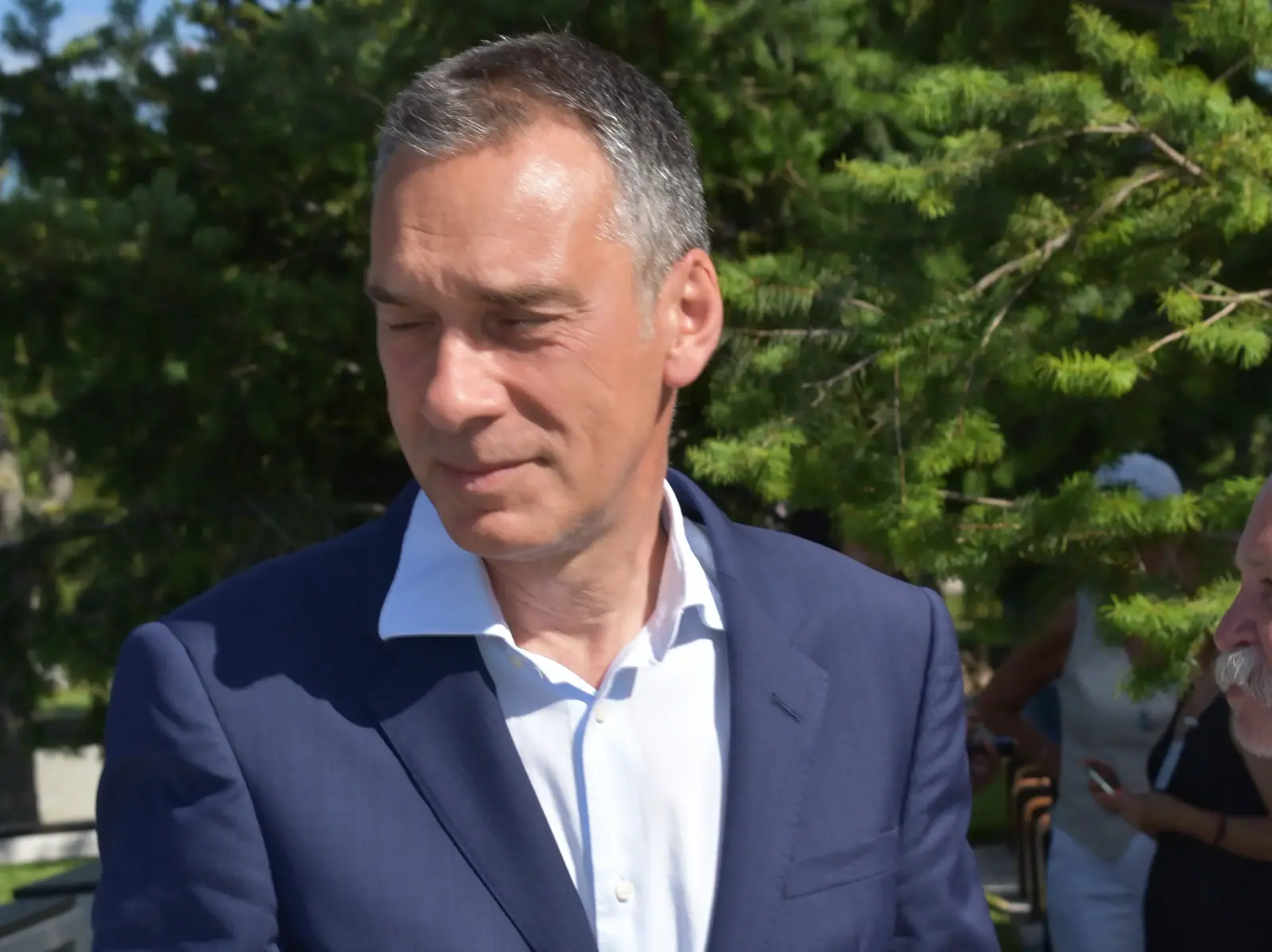
Dr Mihail Dimitrov has been a cardiologist at the Heart and Brain hospital in Burgas since August, the hospital said. He studied and worked in Germany for 14 years, in the teams of Prof Michael Becker and Prof Christian Meyer. He has returned to Bulgaria to use the experience he gained there in the care of Bulgarian patients.
He studied medicine at RWTH Aachen in North Rhine-Westphalia and graduated in 2018. The course followed the so-called model programme, which combines theory and practice from the first semester. Students meet patients from the first days, solve real medical problems and link anatomy, physiology, biochemistry and pharmacology to a doctor's daily work. The third year ends with a three-day exam, both theoretical and practical, covering everything studied up to then.
Since the start of 2019, Dr Dimitrov has worked as a resident in internal medicine and cardiology at RMK-Wurzelen under Prof Becker. In Germany, cardiologists first spend three years in general internal medicine and then move on to the narrow specialty. During his residency he also rotated through pulmonology (lung diseases), gastroenterology (diseases of the digestive system), the interdisciplinary emergency department, where doctors from different specialties work together, and intensive care. He said the emergency department and intensive care "really build character". He describes the years of residency as very busy, hard and full of challenges.
After four years in Wurzelen, he moved to EVK in Düsseldorf, to the team of Prof Meyer. There he finished his six-year residency and qualified in internal medicine and cardiology.
A year after he started work, the COVID-19 pandemic began. Dr Dimitrov remembers the huge workload, the deaths and the human suffering. A working week of more than 60 hours became normal. For a young doctor, he says, this is a school that no other training could easily replace.
Dr Dimitrov had many offers and chose Heart and Brain because of its team, modern equipment, top-class technology and the chance to apply what he learned in Germany. The question when he came back was what setting he would use his experience in, and his choice was clear. He wanted a place with modern standards where he could apply all his experience, and at Heart and Brain he found the latest-generation equipment. The technology gap between Germany and Bulgaria directly affects the quality of medicine, he says. "You can't practise world-class medicine with equipment from the last century," Dr Dimitrov said.

Comments (0)
Все още няма коментари.