
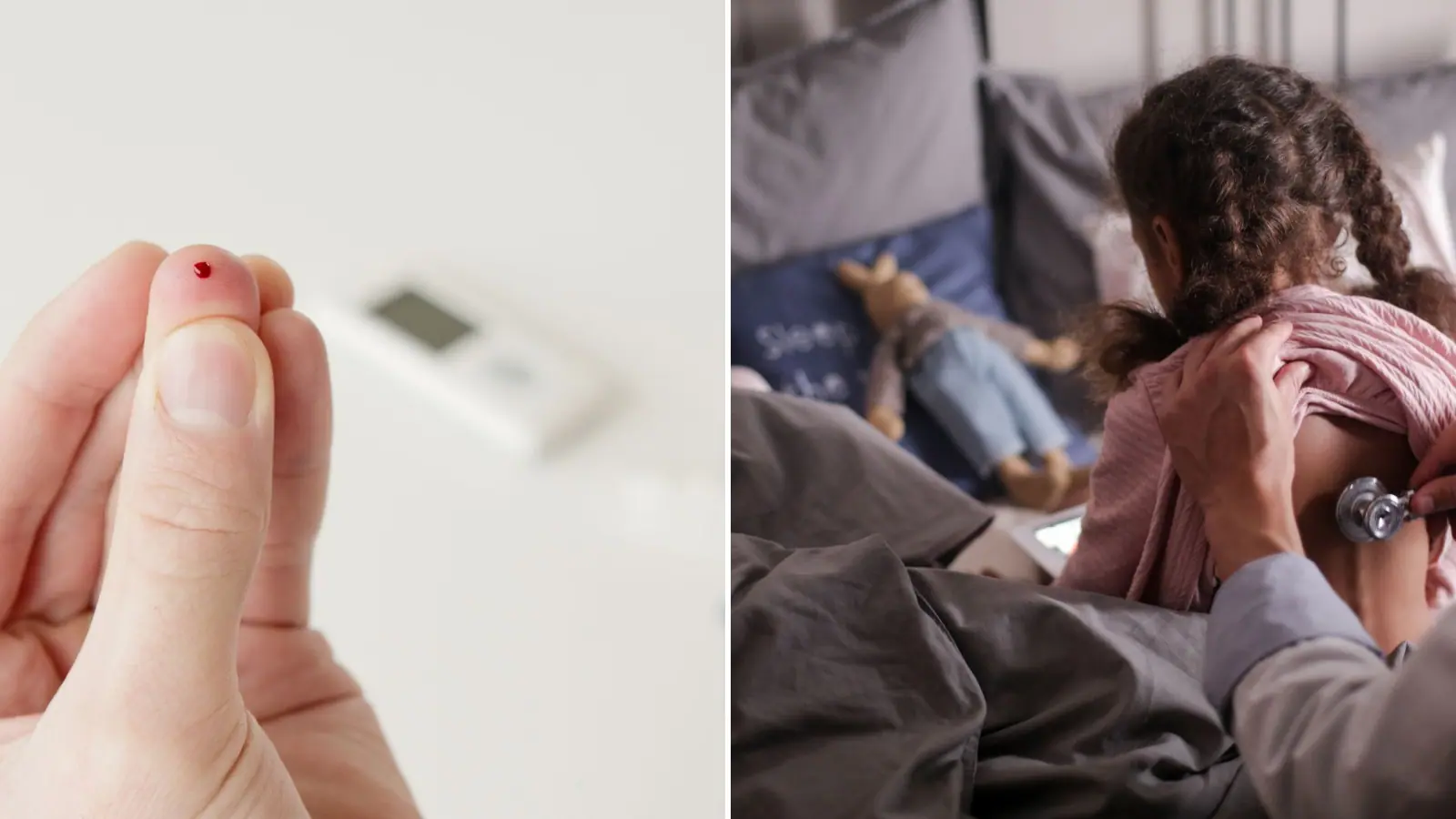
More than 220 children and young people aged up to 19 have been diagnosed with type 1 diabetes since the start of the year. All minors with the disease together number close to 3,000. Data from the National Health Insurance Fund shows the most new cases are in Sofia, followed by Plovdiv region.
In type 1 diabetes, the body does not make insulin, so patients must get it from outside. They need constant monitoring and must count their carbohydrates. Modern glucose sensors read blood sugar and send a signal to a separate device, so patients do not need to prick the skin many times a day. The health fund pays for the sensors, but only up to a set limit.
After the age of 18, the state requires "poor control" of diabetes before it will continue treatment. Marieta Kotova, head of the National Association of Children with Diabetes in Bulgaria, has lived with diabetes for 23 years and tries to keep good control. "Unfortunately, the state tells me: 'To continue your treatment like this, you must have poor control,'" she told BNT.
Kotova says long-term poor control leads to complications, so the state will not save money if it does not pay for good treatment of people and children with diabetes. "These complications cost the state money – for haemodialysis, for various heart problems," she said. The patient group for children with type 1 diabetes believes that every amount spent on keeping control cuts costs in future.
The association is running its activities this year and next under the motto "Early action starts with early awareness". In more than 90% of cases, the main problem for parents is spotting the disease early.
The state plans changes to curb fake TELKs (medical expert commissions). Patient groups want the changes discussed with them, because they know the problems patients face.


Comments (0)
No comments yet.