
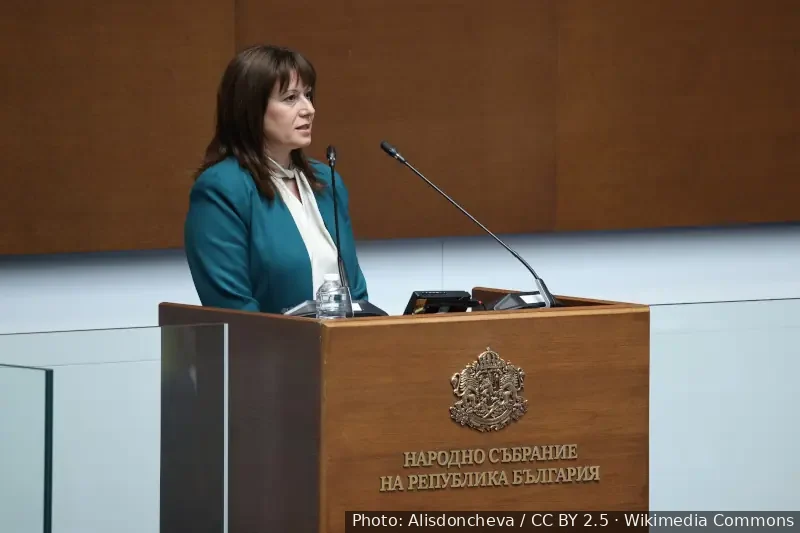
Ombudsman Velislava Delcheva has received more than 800 complaints in two days about proposed changes to the Personal Assistance Act. She asked for a wide public debate on the bill. The changes affect people with severe disabilities and their personal assistants.
Delcheva sent her opinion to parliament speaker Mihaela Dodova and to Venko Sabrutev, chair of the parliamentary committee on labour, social and demographic policy.
The previous development: PP starts petition for personal assistants over changes to personal assistance law
The bill replaces assistants' employment contracts with special contracts for providing personal assistance. Assistants could choose whether to pay insurance for general illness and maternity. The hourly rate would be set every year in the state budget law, and for 2027 it is set at €5.24.
The ombudsman says the changes must not cut assistants' income, limit their social rights or interrupt support for people with disabilities. The special contracts raise questions about pay, rest time, insurance, protection during temporary inability to work and recognition of work experience.
Delcheva is worried about making insurance voluntary and suggests discussing whether it should stay compulsory. She says the new contracts should not shift the whole burden of contributions onto assistants. She wants a way to protect the income assistants actually receive. She also asked for a comparison between current and expected pay, including for those who get extra for length of service and professional experience. In her view, someone should check whether the new rate is fair and whether the contract will cut incomes sharply.
The ombudsman also objects to a rule that an assistant candidate must live in the same town or village as the user, or no more than 40 km away. Small villages and remote areas often have no suitable candidates. Sometimes the only person who can provide care is a close relative. Delcheva suggests reasoned exceptions based on each person's needs.
People should learn in good time if their help is stopped after a new individual assessment, and they should be able to appeal the decision, she writes. Treatment and rehabilitation abroad should not take away the right to personal assistance if the need continues. Delcheva also suggests replacement care, with funding guaranteed, when the assistant is ill, on leave or unable to work for another reason.
She says the guiding principle should be "preventing a situation in which a person with a severe disability is left without the support they need solely because of an administrative procedure or a change in how the system is organised".
The ombudsman wants a detailed and public assessment of the financial and social effects of the changes. People with disabilities, their families, assistants and the groups that represent them should take part in the debate. Parents who have stopped or cut back work to care for children with severe disabilities need protection for their insurance record, future pensions and financial security, Delcheva says.
She insists that municipalities must have enough money and staff for the new rules, so that paperwork and payments are not delayed.





Comments (0)
No comments yet.