
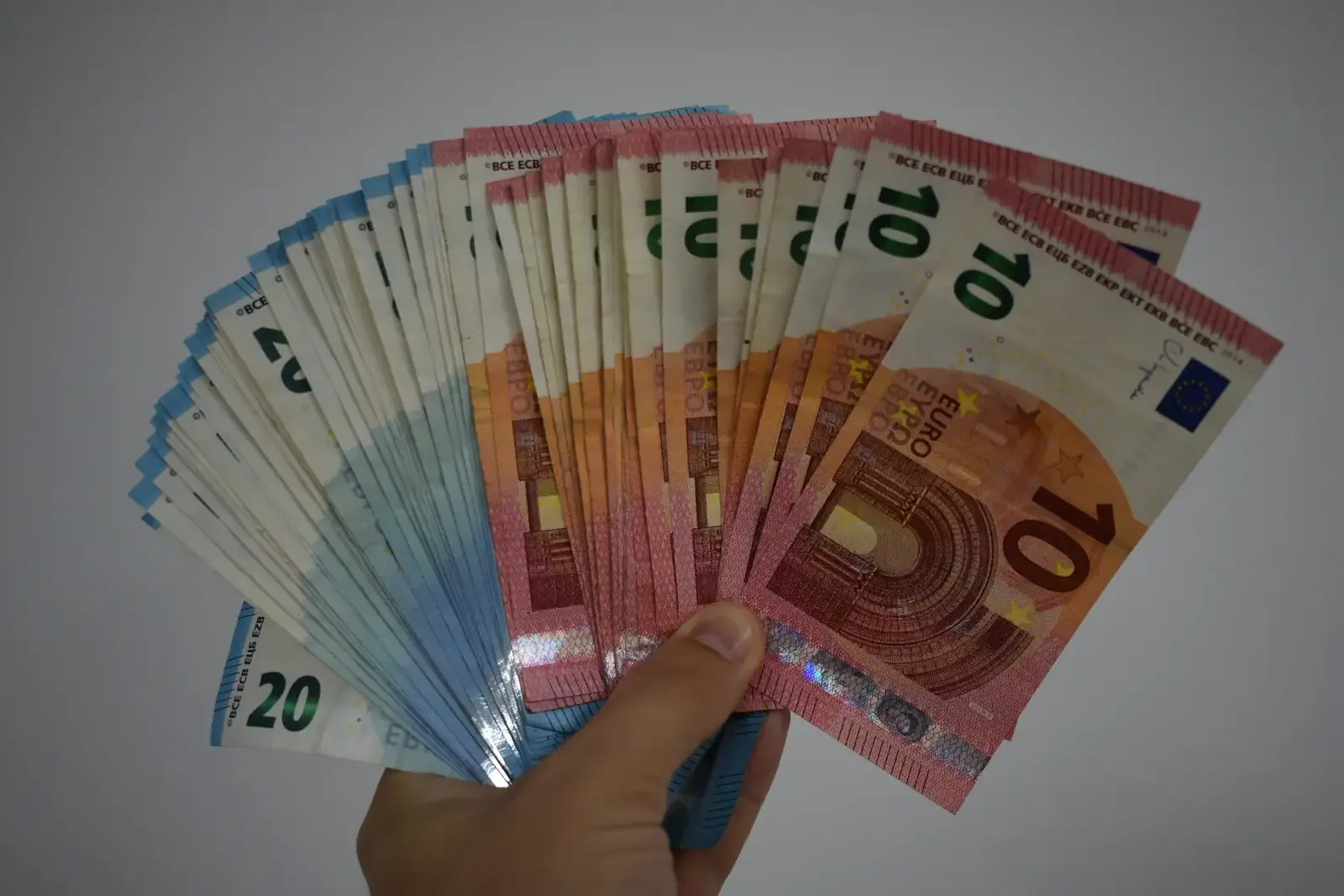
The VAT registration threshold will rise in stages over the next three years. Parliament's budget committee approved changes to the VAT Act today, with 13 votes in favour, 6 abstentions and none against.
The cabinet adopted the final text of the tax changes last Wednesday.
Earlier on this story: Budget committee debates 33% windfall tax and vouchers of up to €200
The threshold will be €60,000 in 2027, €70,000 in 2028 and €75,000 in 2029. From 2028, firms will have to issue electronic invoices and report domestic supplies in real time.
The bill also brings in a new duty to register for VAT before the first supply. It applies to taxable persons who sell new buildings and regulated plots of land.
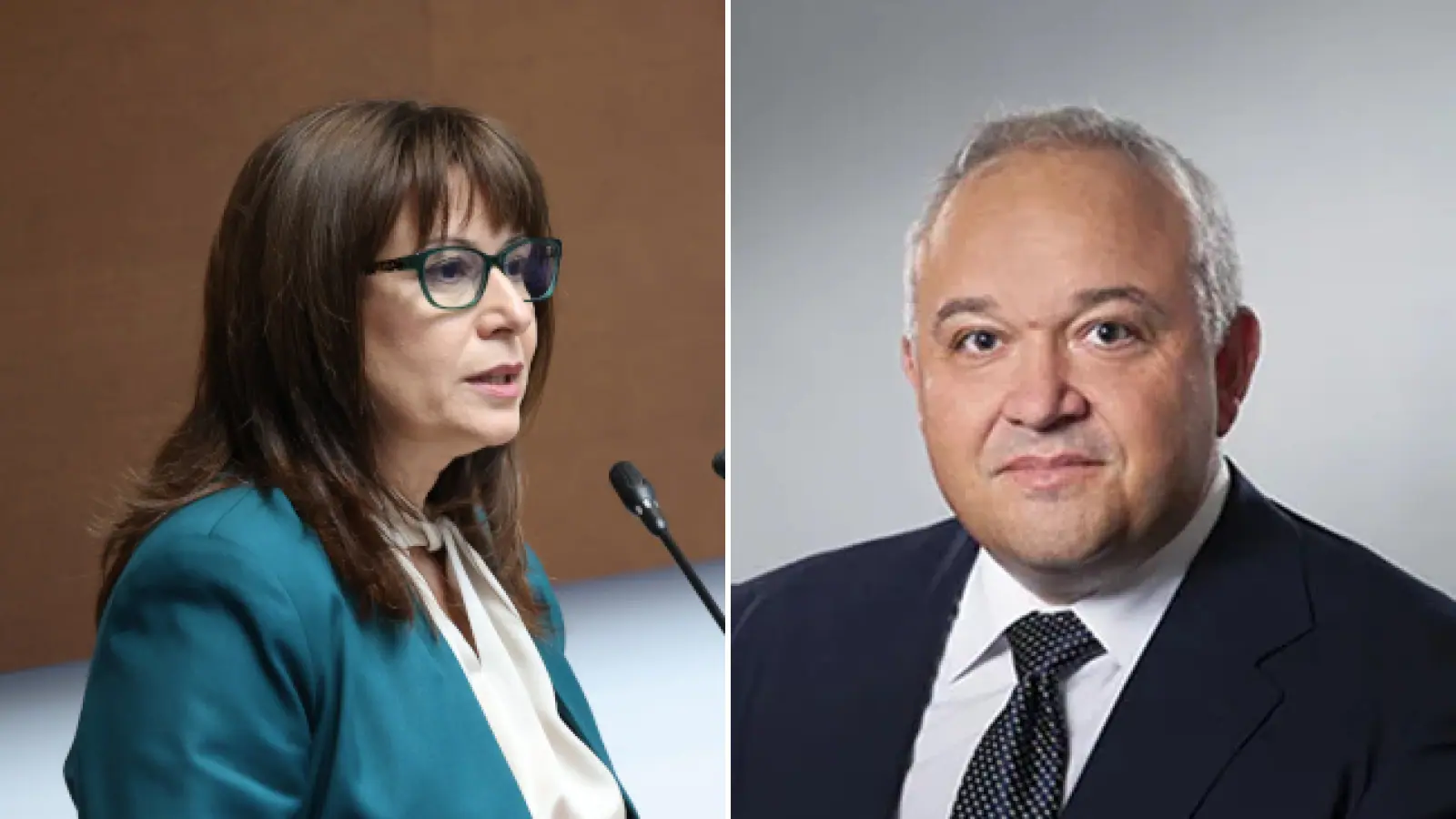
Deputy finance minister Lyudmila Petkova presented the changes. She said the government wanted €75,000 as early as next year, but Bulgaria is under the EU's excessive deficit procedure, and the European Commission recommended that the rise not come all at once.
The committee rejected four proposals from Democratic Bulgaria. The party and Vazrazhdane both wanted a threshold of €85,000. Vazrazhdane also proposed two steps against rising prices: cutting VAT on fuel to 9%, and scrapping VAT on foods in the small consumer basket.
Petkova cited the finance ministry's position that €85,000 is too high a threshold for Bulgaria. Only Italy and France use it, she said. In France it applies only to taxable supplies of goods, while for services it is €37,000.
MP Asen Vasilev noted that "We Continue the Change" introduced the maximum threshold of €85,000 in early 2025, and the European Commission had no objections. He said the steps for better collection and e-invoicing make sense.
Konstantin Prodanov of Progressive Bulgaria said he was disappointed. The original €75,000 should have been cut to €60,000 on the European Commission's advice, he said. He added that the budget committee, as far as it depends on it, will press for the threshold to rise faster.
Prodanov did not back Vazrazhdane's ideas. He said lower VAT on fuel should not be brought in through changes to tax laws, and there is no evidence that dropping VAT on foods in the small basket would bring prices down for consumers.
The ruling parties are relying on help for specific groups, such as a so-called "inflation cheque" for vulnerable people, Prodanov also said.


Comments (0)
No comments yet.