
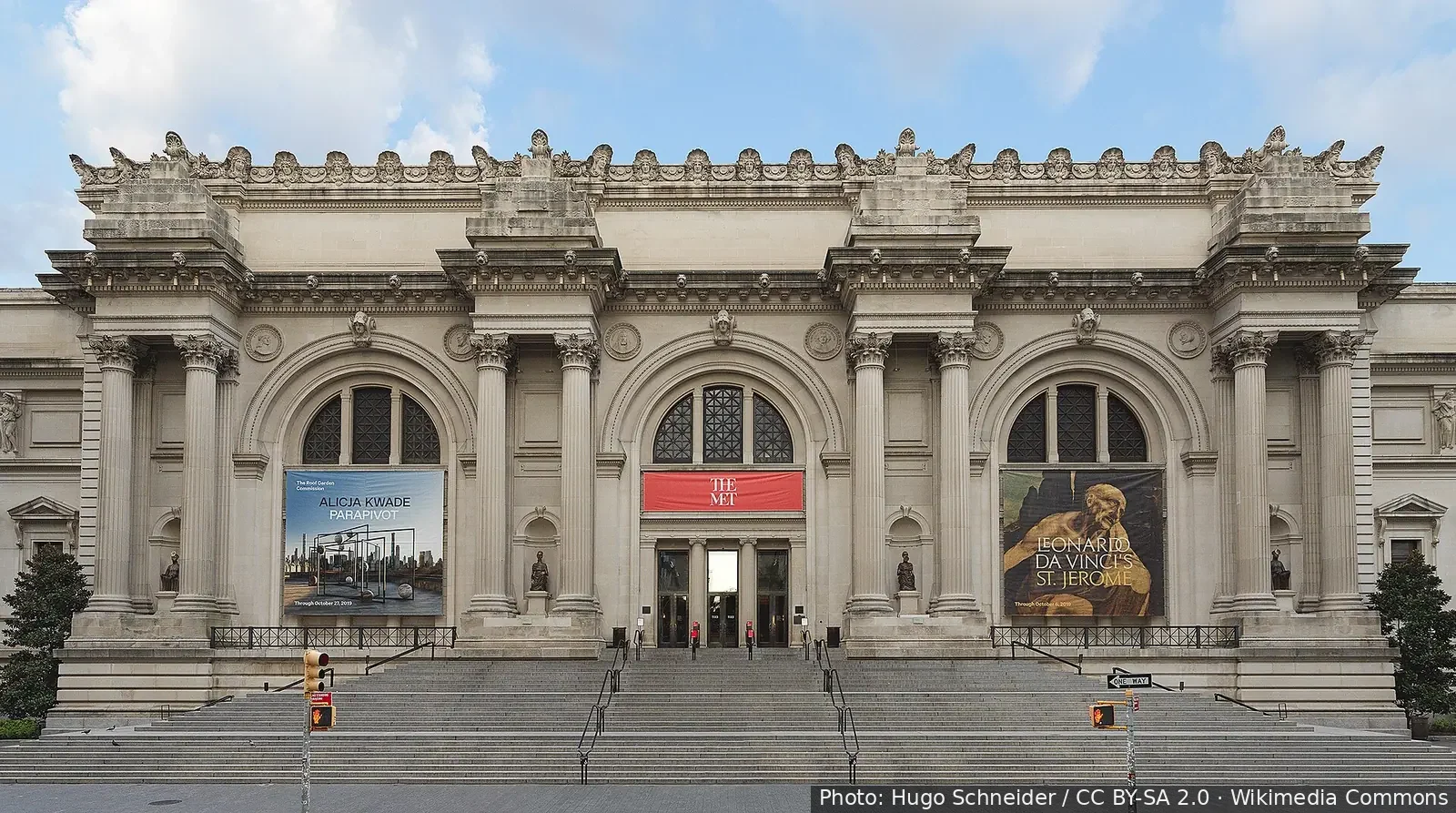
Two stone sculptures from the Regional History Museum in Burgas and the Municipal Cultural Centre in Sozopol are going to New York, where they will be part of an exhibition at the Metropolitan Museum of Art.
One is a relief of the goddess Cybele from the first half of the 5th century BC, found in the waters of Sozopol harbour. The other is a kouros, a statue of a young man, from the 6th to early 5th century BC, found on the Atia peninsula. It is the oldest of all the marble statues in Bulgarian museums.
Both institutions have been invited to take part in the exhibition "Across Wine-Dark Seas: Art and Identity Beyond Ancient Greece". It brings together 180 objects from the Eastern Mediterranean, the Black Sea coast, western Asia Minor, North Africa, Egypt, Sicily, Sardinia and the Italian peninsula.
The works date from the time when the ancient Greeks came into contact with near and distant cultures. In the 8th and 7th centuries BC they grew stronger, developed seafaring and long-distance trade, and came up against tribes and states with cultures of their own.
Influence went both ways. The Greeks shaped other societies, but they also took influence from them.
The exhibits include images of foreigners from myths set in lands far from the Greeks. Images of mythical, legendary and "historical" Black Africans show how Greek art told peoples apart.
We reported on 12 November that the Regional History Museum in Burgas and the Municipal Cultural Centre in Sozopol had been invited to show objects at the Metropolitan Museum of Art. The Cybele relief and the kouros from the Atia peninsula are going to the US.
The exhibition opens on 14 December 2026 and runs until 11 April 2027.
Comments (0)
No comments yet.