
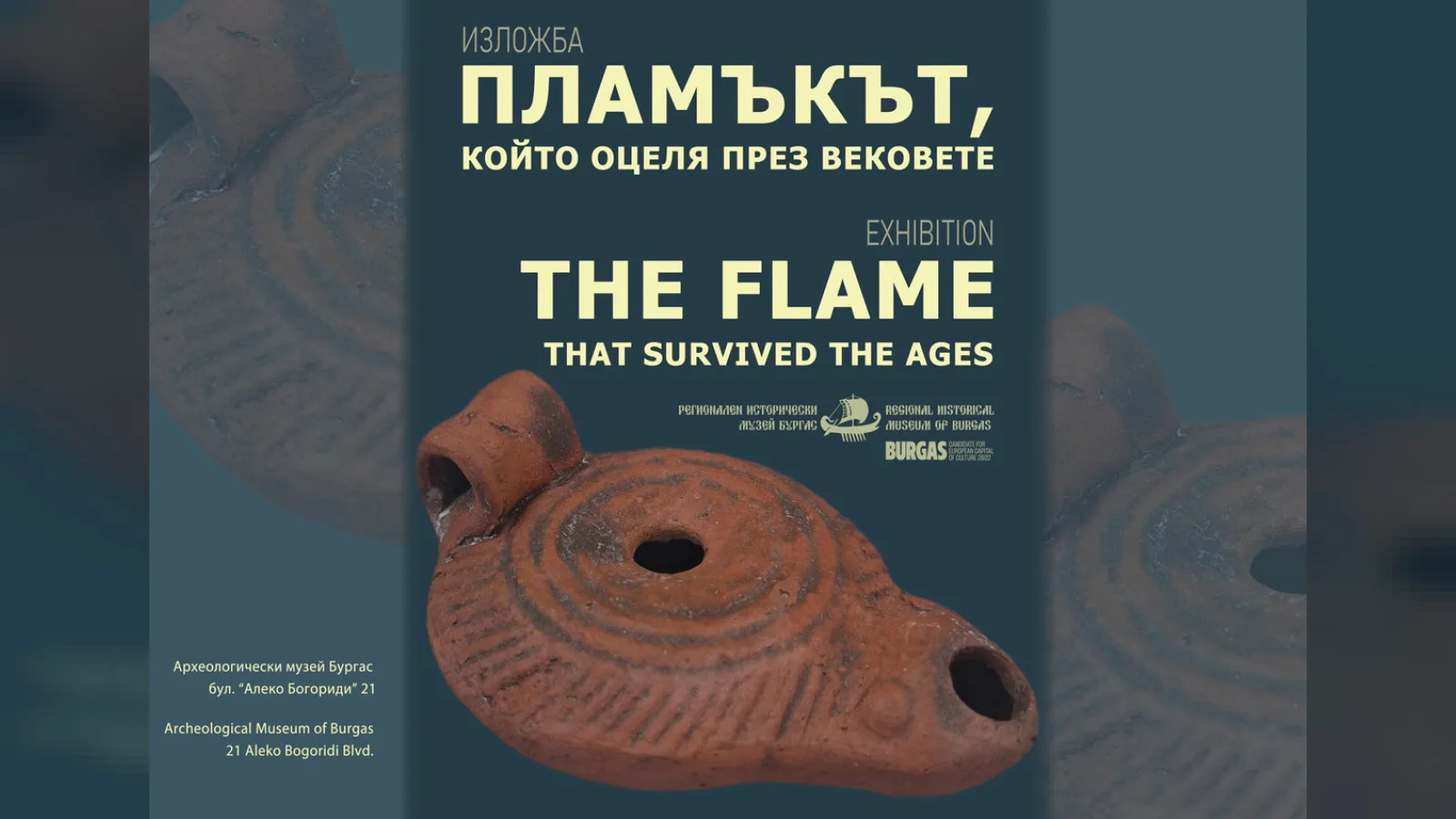
The Regional History Museum in Burgas opened an exhibition today called "The Flame That Survived the Centuries". It traces how people lit their homes from antiquity to the start of the modern era, the museum said. In late October the museum invited schoolchildren to a talk on "Ancient Ceramic Lamps", on the exhibition's theme. It will be held from 16 to 27 November.
The items come from Burgas and the surrounding region. Some were found in digs in the 1970s, others in more recent surveys. The display in the Archaeological Exhibition is in chronological order. The cases hold clay and bronze lamps, medieval oil lamps and candlesticks, lamp moulds and kerosene lamps.
How it all started: Burgas museum invites students to a talk on ancient clay lamps
"Today it is quite ordinary for us to light a whole house or flat by pressing a switch," Gergana Danabasheva, a guide at the Archaeological Museum in Burgas, told BTA. She said the exhibition shows how lighting developed, and how people lit homes, public buildings, temples and tombs before electricity.
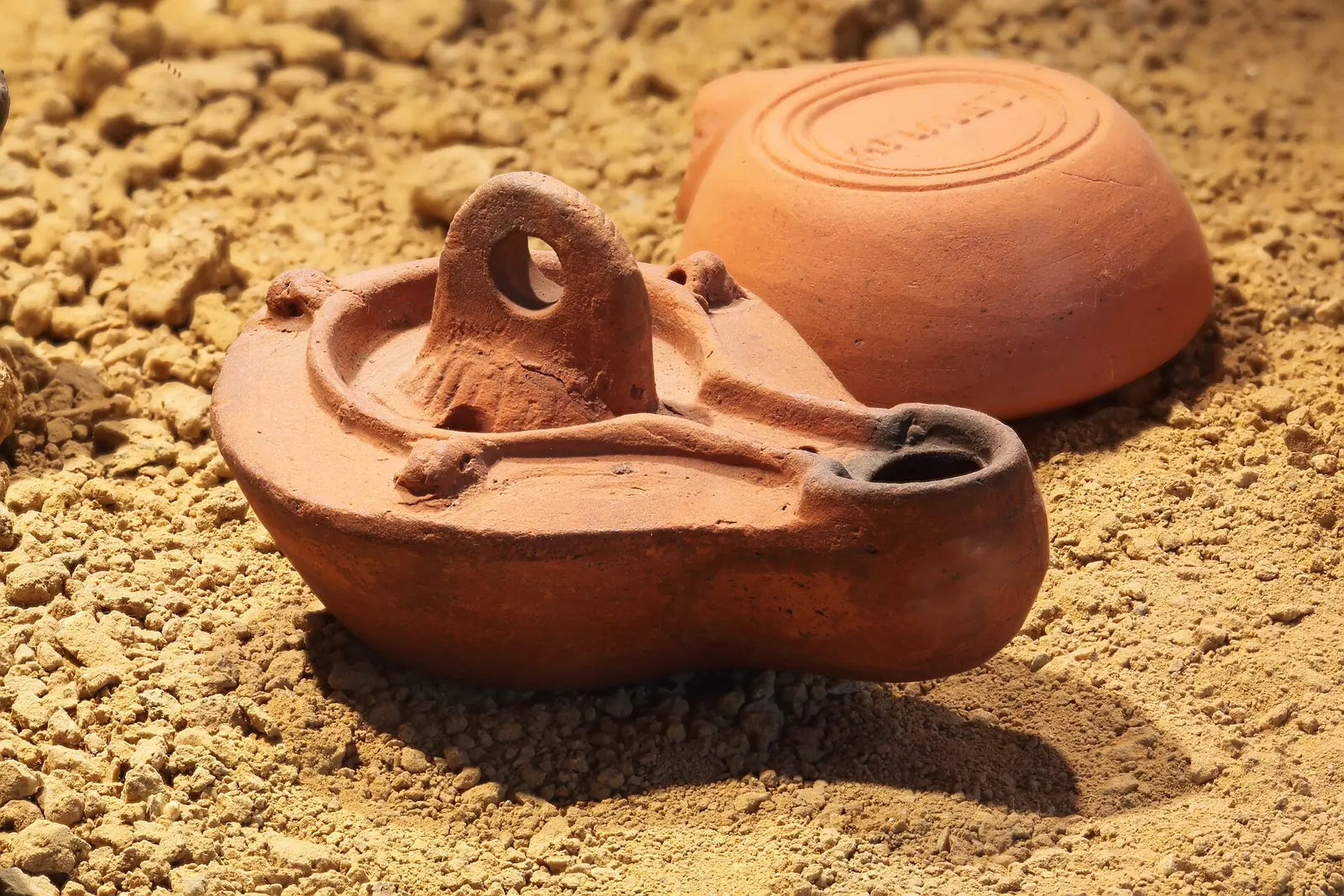
The earliest are the Greek and Hellenistic lamps. They were made on a potter's wheel, with clean shapes and an open body. A dark coating called "varnish" imitated metal vessels. Later, craftsmen used two-part moulds to make more identical lamps. The exhibition also shows moulds used by ancient potters, which explain the technique.
"Roman lamps already have much more detail. On the disc, the potter was free to let his imagination run wild," Danabasheva told BTA. The reliefs on the discs show rosettes, human figures, wild animals, doves and peacocks. Roman bronze lamps were made in a more complex way and decorated more richly. According to Danabasheva, their owners were mostly wealthier people.
Branded lamps were already mass-produced, she said. Some were made on the wheel, others in moulds. The maker's stamp is on the base, and on some it is very clear. One of the known brands is "Fortis". The stamps help archaeologists trace production centres, how the goods spread and trade links.
Plain lamps were cheaper, while those with rich decoration, such as masks, cost more. Provincial Roman lamps have simpler decoration and were meant for a wider group of people.
The museum said the Black Sea region was part of busy trade networks, and goods from Italy, Asia Minor and North Africa reached it. Local workshops in Thrace and Moesia also copied popular designs for the regional market.
A lamp has a fuel reservoir, a filling hole, a nozzle for the wick, a handle and a decorated disc. Most often it burned olive oil, less often sesame oil or animal fat, and the wicks were made of flax or hemp. In ancient belief, lamps in tombs lit the dead person's journey.
Late antique ceramic lamps carry Christian symbols: crosses, the chi-rho and geometric patterns. Medieval oil lamps are heavier, with a stand, a handle and one or two cups for oil. Candlesticks from the same period were found in digs near Aquae Calidae and the Rusokastro fortress, and some come from the latest archaeological seasons.
Danabasheva is most impressed by the bronze lamps, but she has a special fondness for the Greek and Hellenistic ones.
The last case covers the start of the modern era. It holds candlesticks and kerosene lamps, some from private collections and some from the museum's ethnographic exhibition.

Comments (0)
No comments yet.