
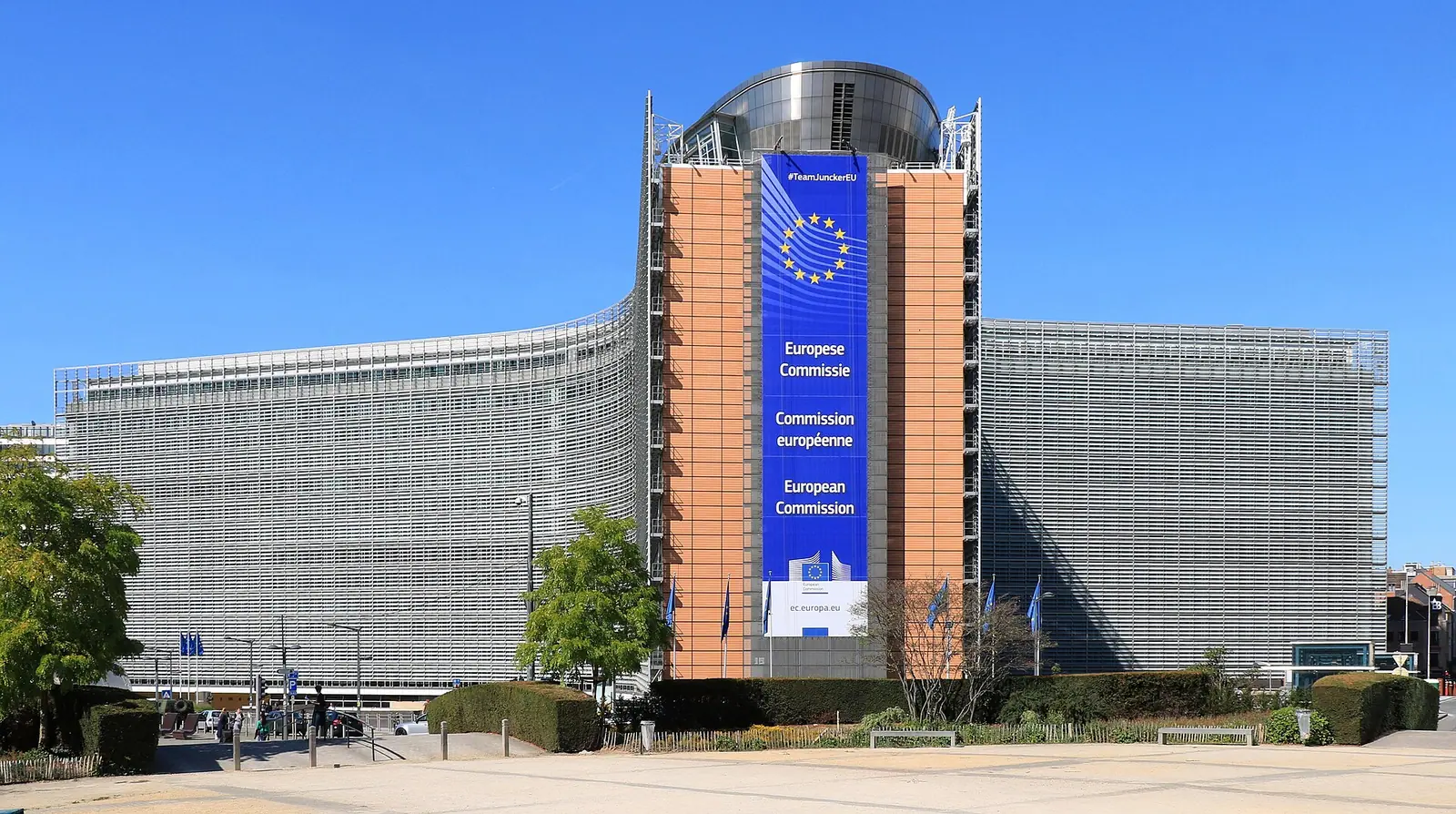
The European Commission has opened legal action against Bulgaria for being late to bring in six EU rules. Dozens of other EU countries face the same kind of action, covering money laundering, human trafficking, energy, consumer rights, new drugs and the hydrogen market.
The first case is about common rules against money laundering. Countries had until 10 July to give the right authorities access to registers showing who really owns companies. Along with Bulgaria, 17 other EU countries are getting the same warning. Brussels says accurate information on who owns a company is needed so people can trust financial markets and so police and other authorities can do their job.
The second case is about drugs. Bulgaria is one of eight countries that didn't update their legal definition of "drug" in time — the deadline was 12 July. The updated list now includes three new psychoactive substances: 2-MMC, NEP and 4-BMC. From now on, trafficking these will be prosecuted the same way as other drugs, so police and courts in different countries can work together across borders more easily.
The third case is about people's right to get broken devices fixed. Bulgaria and 17 other countries missed the 31 July deadline to report that they'd brought in the new rules. Under them, people can ask to have smartphones, washing machines or fridges repaired even after the warranty runs out. Makers must offer this repair at a fair price and within a reasonable time. The goal is to throw away less electronics and cut pollution.
Separately, the Commission is opening a case against every EU country, including Bulgaria, to push them to fully bring in new rules against pollution from factories. The rules limit the use of dangerous chemicals and let people harmed by illegal pollution claim compensation. The deadline to bring these in passed on 1 July.
The fifth case is about the hydrogen market. Bulgaria, along with 24 other countries, hadn't written the new rules into national law by 5 August. Of all EU countries, only Italy met the deadline.
In each of the five cases, the Commission gives countries two months to reply and explain how far they've got with the changes. If Brussels isn't satisfied with the answers, the cases will move to their next stage.




Коментари (0)
Все още няма коментари.