
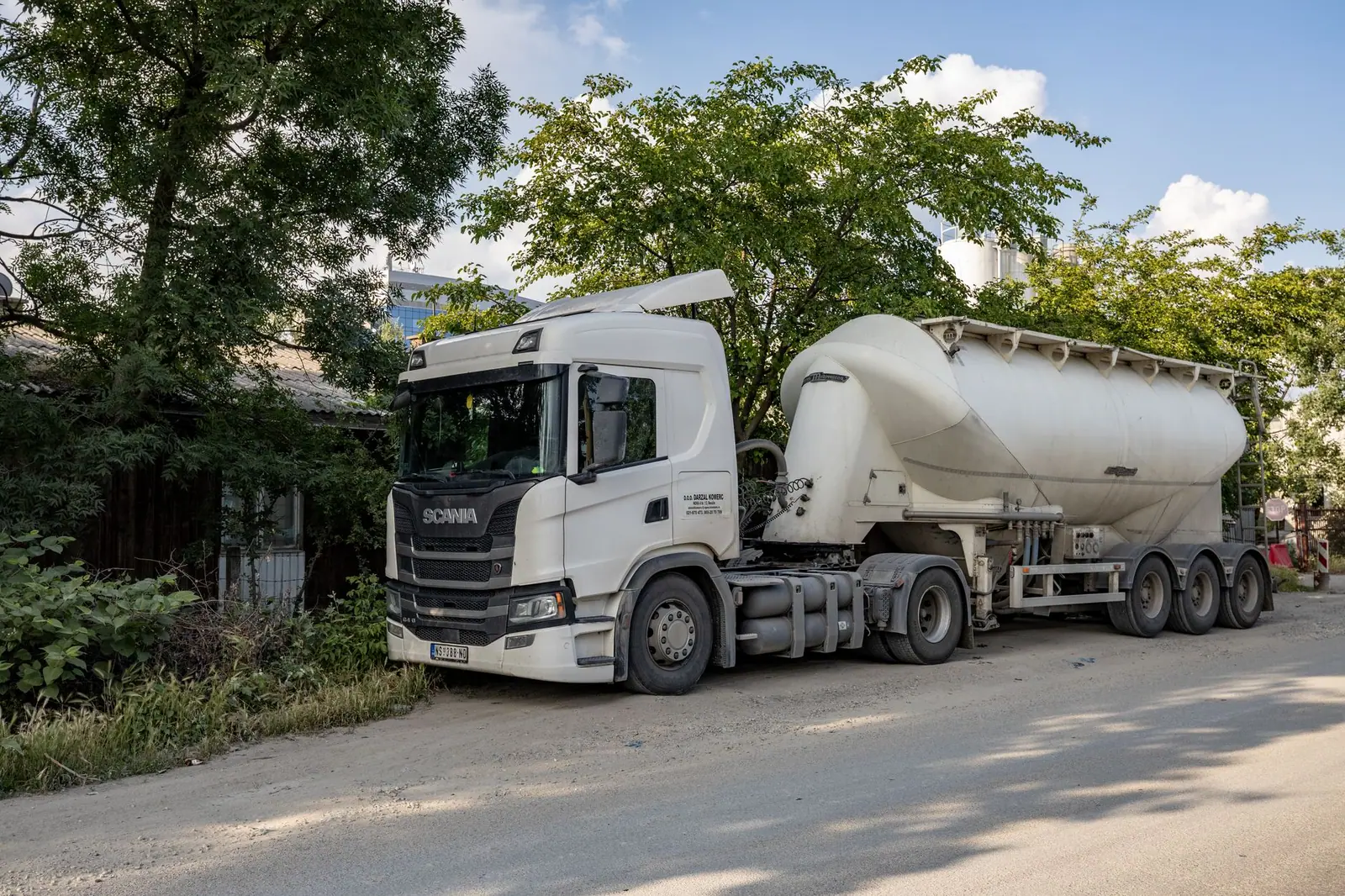
MPs have passed on first reading changes to the road transport law, put forward by the government on 9 September 2026. Ten MPs voted for, one abstained, and none voted against.
Tsvetelina Ilieva-Yordanova, secretary general of the Road Transport Administration, presented the changes to parliament's innovation and digital transformation committee. She said most of the text brings EU law into Bulgarian law. The changes are needed because the European Commission already has two cases open against Bulgaria over exactly this issue.
One of the main changes is that haulers running trucks over 2.5 tonnes will now need a licence too. Until now the rule only applied to vehicles over 3.5 tonnes, Ilieva-Yordanova explained, so the threshold drops and covers lighter trucks as well. The community licence register is also being expanded. Under the new rules, hauliers registered in Bulgaria must actually operate from here. They need a real presence in the country, not just a registration on paper. Ilieva-Yordanova said this meets the EU's goal: real competition and equal conditions for everyone on the internal road transport market.
The bill also raises the bar for proving financial stability when applying for a licence, which should help collect public debts more reliably. It also lets road transport firms rent vehicles from any EU country. Until now this was only possible in the country where the firm is registered. Ilieva-Yordanova said the point of this change is to make life easier for hauliers.
She added that along with the EU rules come specific rules on posting drivers abroad. These cover the paperwork and checks that go with it. Hauliers will have to file a posting declaration in a European internal-market information system. Ilieva-Yordanova said the changes aim to give drivers on international routes better working conditions and social protection.
The bill also includes changes that have nothing to do with EU law, Ilieva-Yordanova said. These include rules meant to cut paperwork for people and businesses that use transport services.
Another change that goes beyond EU rules is the electronic waybill, which will carry the same weight as the paper one. Ilieva-Yordanova called this an important step toward digitising road transport, one that will cut administrative costs and make checks easier. The new rule on electronic waybills takes effect on 1 July 2027.





Коментари (0)
Все още няма коментари.