
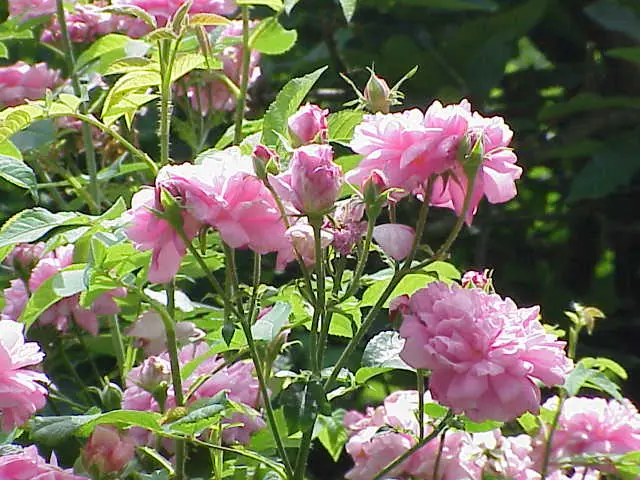
Bulgaria has secured support for growing oil-bearing roses in the EU Council's position on the Common Agricultural Policy (CAP) after 2027, the Ministry of Agriculture and Food said. Agriculture and fisheries ministers meeting in Luxembourg approved a mandate to negotiate with the European Parliament.
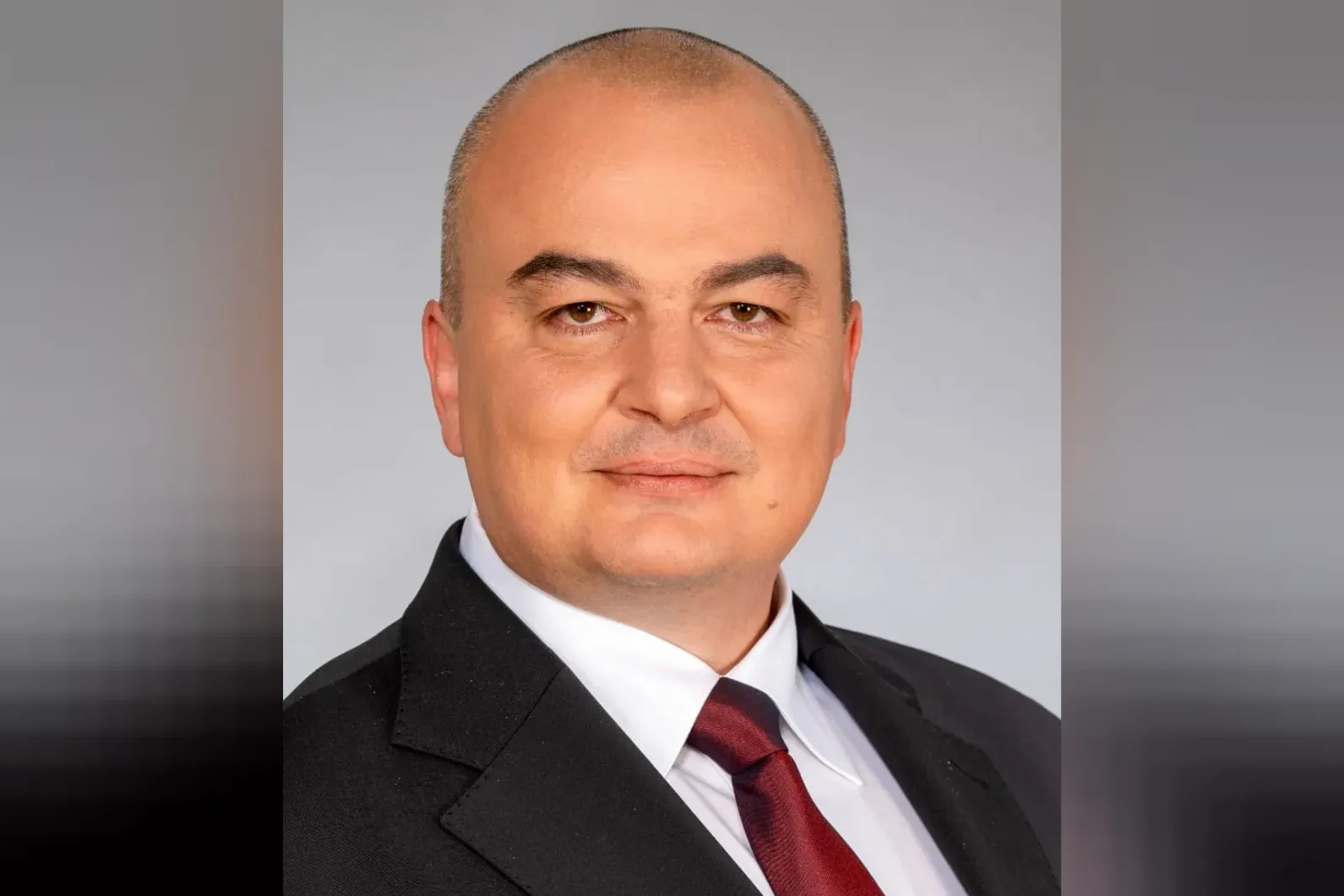
Agriculture and Food Minister Plamen Abrovski represented Bulgaria at the meeting. He argued to ministers from other EU states and to the Irish presidency that rose growing should get support. Bulgaria also asked for transitional national aid to continue after 2027, so that support does not drop sharply in sensitive sectors.
Abrovski said rose growers have faced serious problems in recent years. The area under roses is shrinking, buying prices are low, production costs are high and workers are scarce. He said this crop, a symbol of Bulgaria, should get aid.
In September, at a meeting of the Advisory Council on Oil-Bearing Rose, the minister said Bulgaria's rose blossom output in 2026 was 31% higher than a year earlier. "Roses are our biggest priority right now," he said then. He added that he has raised support for the rose sector at every Council of agriculture ministers in Brussels.
Abrovski also wants transitional arrangements so that support for farmers does not stop.
Talks on the EU's long-term budget, the Multiannual Financial Framework for 2028-2034, are still going on. The minister wants fair CAP payments in them. He also wants payment rates to be fully and finally levelled across member states, known as external convergence.
He said each country should decide for itself whether to cut and cap the degressive per-hectare payment. He also wants rules flexible enough to fit the structure of farms and the circumstances of each country. Farmers who receive payments should be able to deduct their labour costs before any cuts and caps apply.
Abrovski also wants stable funding for rural development, including LEADER and the knowledge and innovation schemes under the National and Regional Partnership Plan. He said it is especially important for Bulgaria that small firms get more information and help with paperwork.
Ministers also discussed how member states and the European Commission can make better use of the EU's growing network of trade deals to export new farm products and food. On non-tariff barriers to trade, the minister proposed that the Commission press trading partners to treat the whole EU as one, with a single food safety system that is equally reliable everywhere.
"It would be good to have funding to set up export co-operatives that bring together the output of many local farmers under one brand for foreign markets," the minister said.
Comments (0)
No comments yet.