

European nations have demonstrated firm unity behind the German position after Berlin officially accused Russia of orchestrating acts of sabotage at Leipzig Airport. In a show of support, the Bulgarian Ministry of Foreign Affairs published an official statement on the social network X, expressing full solidarity with Germany in the collective effort to combat large-scale hybrid attacks.
The developments surrounding the incident in Leipzig have become a central topic at the informal meeting of European Union foreign ministers taking place in Ireland. The EU High Representative for Foreign Affairs and Security Policy, Kaja Kallas, stated that the attempted attack bears all the hallmarks of state-sponsored terrorism. Kallas emphasized the gravity of the situation and outlined the specific steps the union is taking:
- Russian ambassadors have already been summoned;
- work is actively underway on a list of 1,600 sanctions targeting the Russian military-industrial complex;
- the possibility of adding new restrictive measures to those already planned is being considered.
Parallel to the investigation into the Leipzig case, Germany has faced a series of attacks on critical infrastructure within a 24-hour period. In the western city of Bergheim, police are investigating an act of deliberate vandalism against the power grid, though it has been confirmed that electricity supply in the region was not affected. Meanwhile, in the eastern state of Brandenburg, power lines were damaged by missiles carrying explosive devices. These acts of sabotage follow Berlin's revelations yesterday regarding an incident in early August. At that time, a flying device with an attached explosive was discovered at Leipzig Airport near Ukrainian cargo planes; an explosion did not occur, likely due to a faulty detonator. Subsequently, two more drones were found in the area.
Russian President Vladimir Putin rejected the accusations and counter-attacked Berlin, insisting that German authorities had planted evidence to frame Moscow. According to him, the actions of the German ruling elite are driven by a need for artificial confrontation with Russia, motivated by internal political reasons such as declining approval ratings and the upcoming election campaign in Saxony.
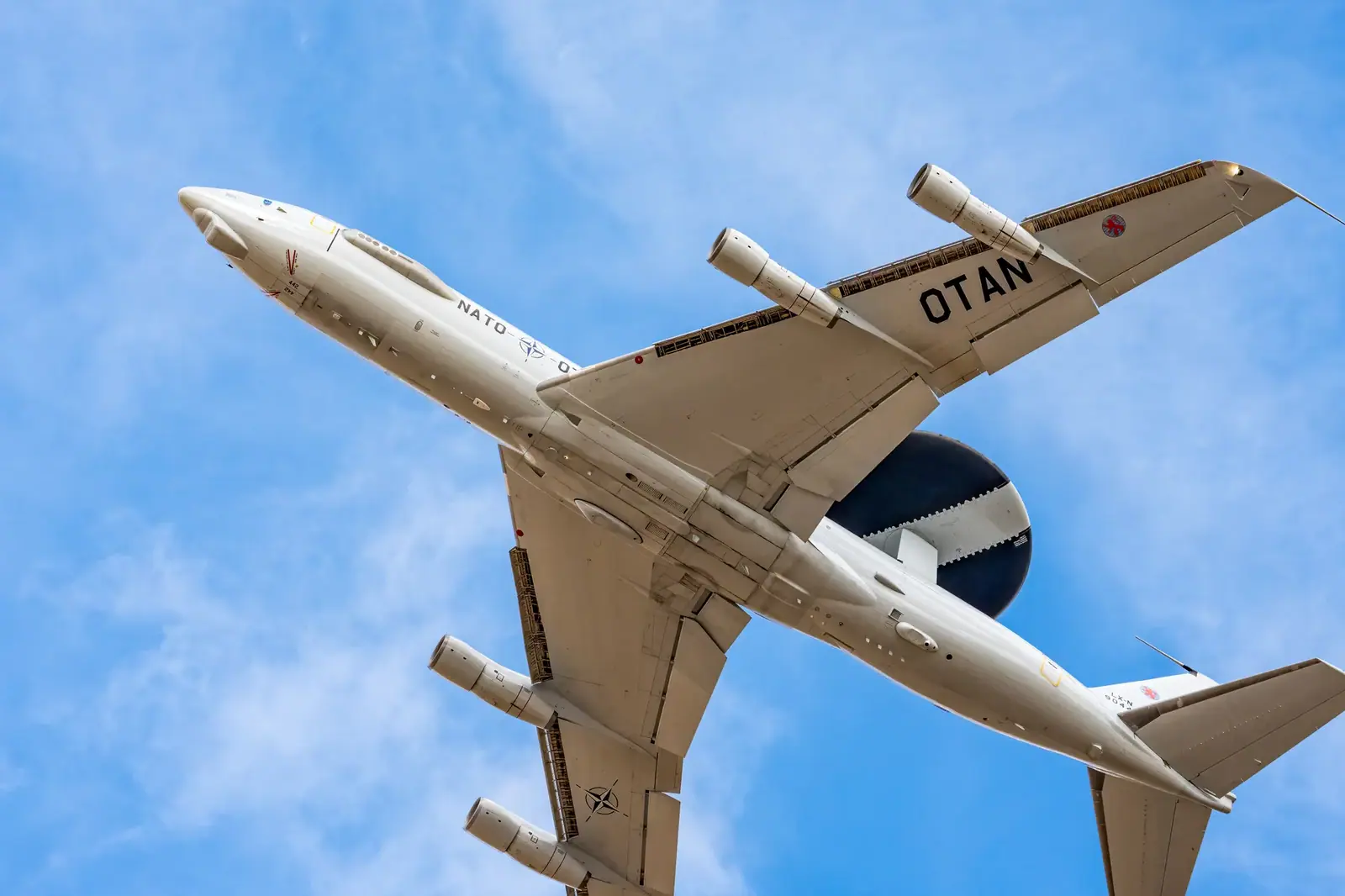
German authorities view the attempted attack in Leipzig as a logical part of the Russian pattern of hybrid attacks in Europe. The airport's strategic importance is immense, as it serves as a key hub for international freight and provides logistics support to Ukraine. Furthermore, the infrastructure serves as the headquarters for the Strategic Airlift International Solution (SALIS) program, which is responsible for delivering equipment to NATO battle groups on the Alliance's eastern flank.



Comments (3)
Лайпциг ли? Сериозно?!
Хибридни атаки, а? Какво точно са направили там в Лайпциг? 💸
Лайпциг... Голяма бела бардак!