
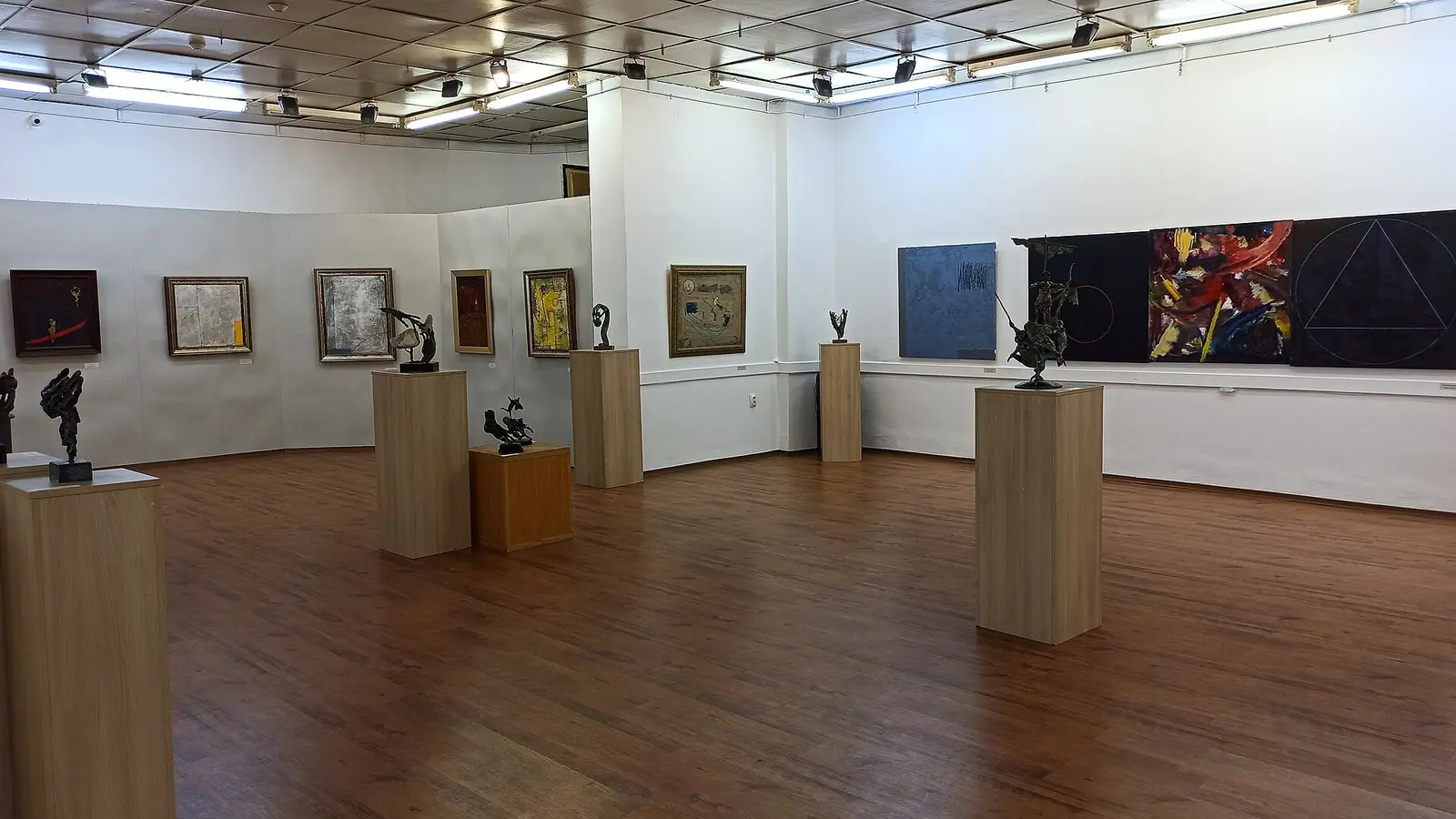
Prof. Svetozar Benchev, director of the Burgas branch of the Academy of Arts, will open his new show "Objects Post Scriptum" at the San Stefano Plaza gallery in Sofia at 6pm on 12 November, he told Bulgarian National Radio. He wants the Academy's site in Burgas to become an international art centre.
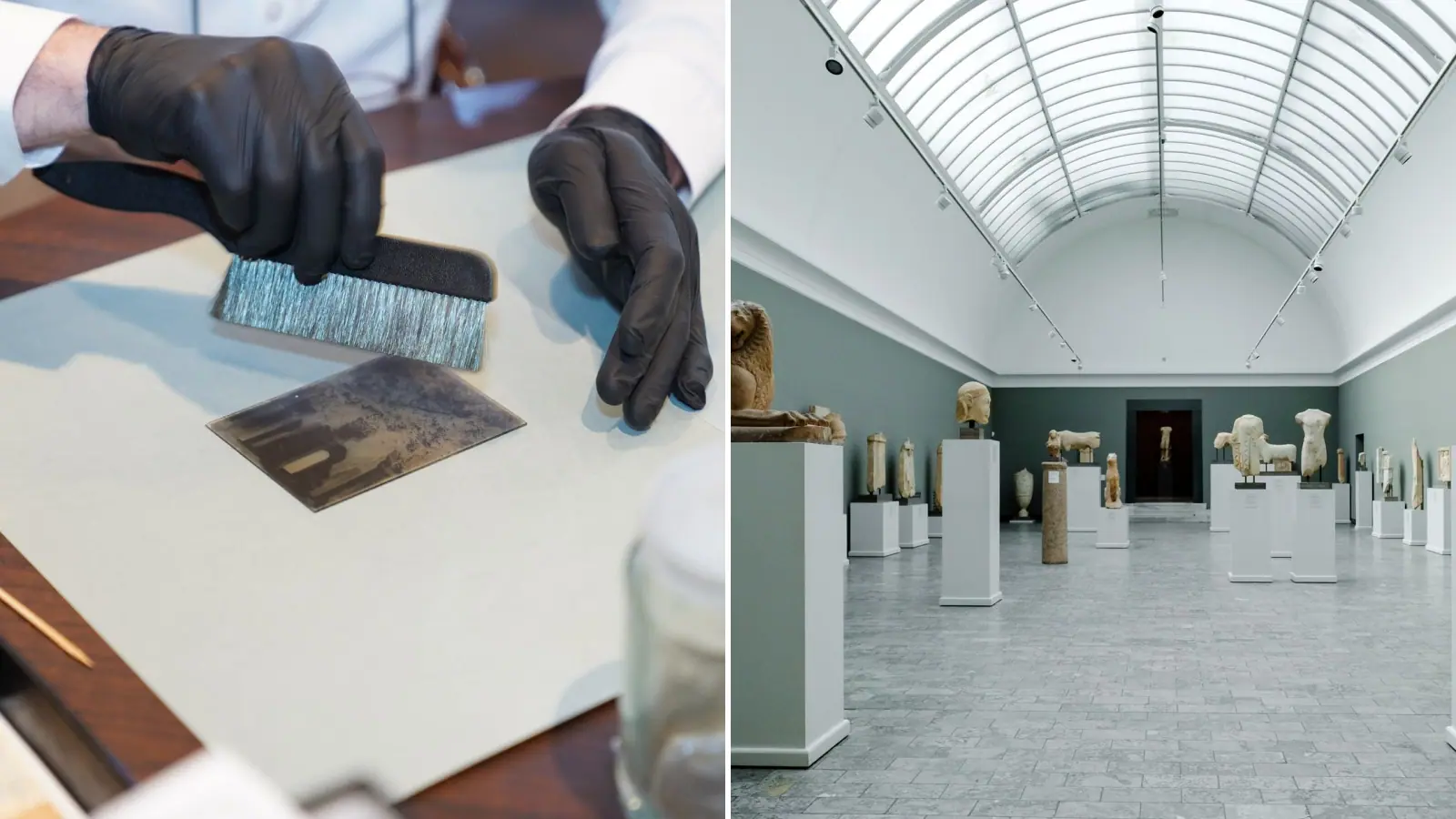
The show has several series. The works are presented as archaeological finds waiting for study and restoration, with symbols of timeless meaning shown beside modern objects. The items on the "restoration table" carry serial numbers: "Object 20", "Object 21" and so on.
Benchev says the world today is full of absurdity, reincarnations and aggression. Established values are questioned with no alternative on offer, and symbols lose their meaning. The show grew out of this setting. There was no direct trigger, he explained. It draws on impressions and directions from earlier series, seen in a new way.
He believes the objects carry a special energy. It points to the whole item, to "the whole DNA", and not just to the fragment. The series push viewers to interpret them to different degrees.
"My shows are like a sentence that has been started and has an open ending, and that ending can differ depending on how the viewer reads it," the professor said. He says the viewer is active, finishes the picture on their own and is partly a co-author. Benchev counts on viewers' intelligence, sometimes on their sense of humour or their taste for an intellectual challenge.
He allows that the searching of his students, who "instinctively pick up trends that are in the air", may influence him indirectly. But he is firm that he knows what he is looking for and what his value system is. His search comes more from within than from outside influences.
Benchev keeps some works for himself. They mark achievements, directions and important moments, and are tied to certain stages of his development. When he is unsure about his work, he goes back to them and can reassess all of his output. He draws energy from talking with people who think positively, and from favourite places, among them the sea.
The Burgas branch is the Academy's first, and the Academy chose its location itself. It is housed at the port, in a former warehouse known as "warehouse number one". The building dates from the time of Ferdinand, and its frame comes from the factory that built the Eiffel Tower. After the frame was taken apart, it was repaired at a plant and built into a new modern building "with a European look".
Benchev says students in Burgas are highly motivated by the Academy's location, with its view of the sea.
"So we have the pleasure of having the Academy in this wonderful spot at the port, where you can see the sea from every window," the director said.
Comments (0)
No comments yet.