
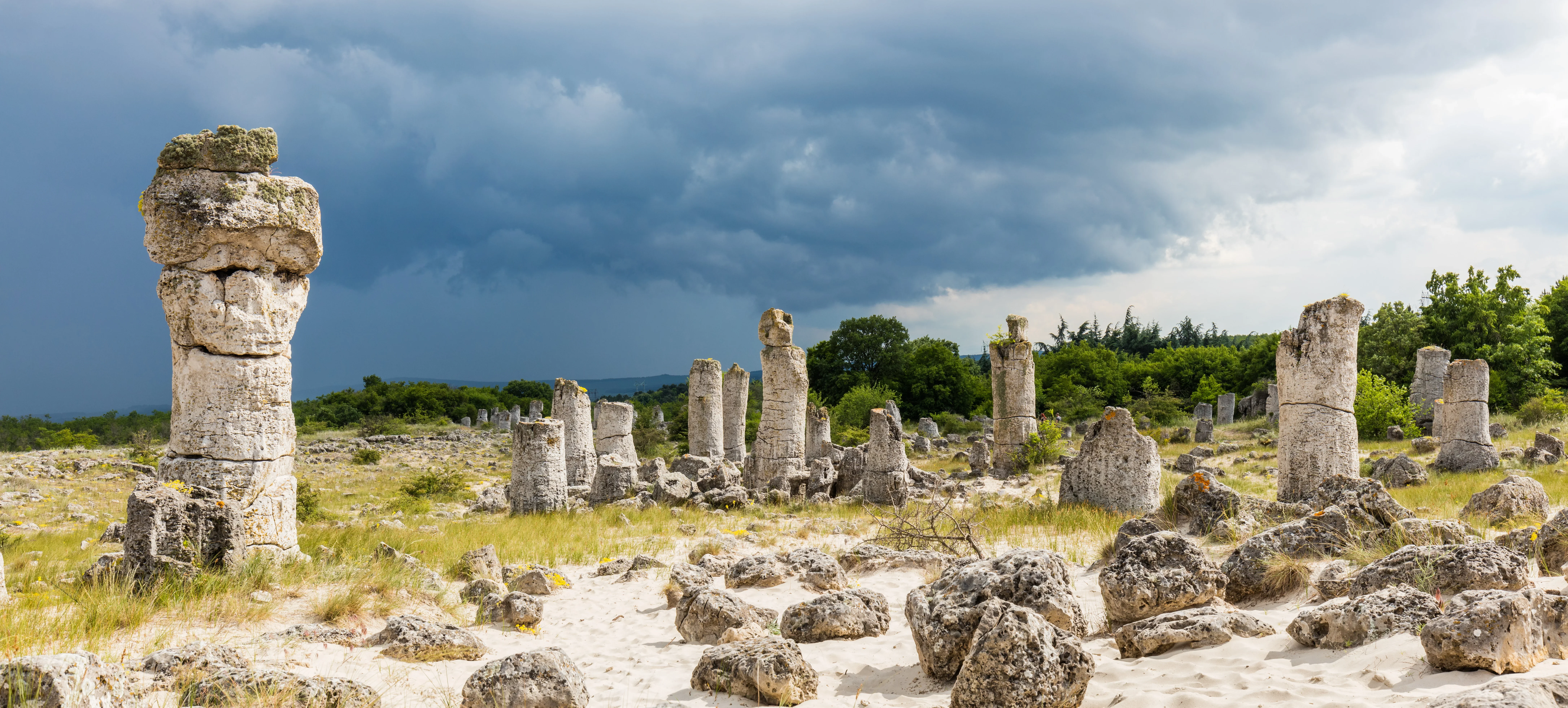
The prospects for ecotourism in Bulgaria in 2026 are highly positive, and the sector is emerging as one of the most dynamically developing areas in the national tourism industry. According to a forecast by the Ministry of Tourism, in 2026 the total contribution of tourism to the country's gross domestic product will reach 9.4%, which means over BGN 19 billion in annual turnover. It's ecotourism that's considered the main driver of this growth, thanks to the increasing popularity of sustainable travel among both Bulgarian and foreign tourists.
In 2026, Bulgaria is expected to welcome about 990,000 foreign tourists, with 38% of them traveling for ecotourism purposes, according to the macromodels of Trading Economics and NSI. The native nature is already recognized: nearly 5% of the country's territory is protected, including 3 national parks, 11 nature parks, and 89 reserves. Bulgaria has over 40 nature parks and 45 reserves, making it one of the leading natural destinations in Europe.
The flow of tourists in 2026 is expected to be greatest from Romania, Germany, Greece, and Poland, which account for over 70% of all ecotourism visits. Striking and small settlements are showing a growth of over 12% compared to 2025, with ecotourists preferring precisely such destinations and alternative forms of accommodation such as glamping and rural houses.
The main motivational factors remain the sustainable approach, the rich biodiversity, and the opportunity to travel with a minimal environmental footprint. Revenues from ecotourism activity are expected to exceed BGN 700 million for 2026, with the average expenditure per ecotourist being 322 euros. Online sales will dominate: 81% of reservations for ecotourism products and services will be made through specialized platforms.
Bulgaria plans additional investments to promote natural and educational routes, cycling and hiking trails, as well as eco-farms in the mountainous and protected territories. The National Tourism Development Strategy 2014-2030 envisages sustainable management of tourism resources, with programs and partnerships to preserve the biodiversity and authenticity of local communities.
Ecotourism not only supports the richness of Bulgarian nature but also guarantees economic benefits for the regions, increasing employment and income in rural areas. Forecasts indicate continued growth in the coming years, with Bulgaria gradually establishing itself as a leading European destination for ecological travel.


Comments (7)
Боже му помогне, дали ще издържим толкова туристи
Смешно е
Здравей, драги българи!!
Здравий, екотуристите
Азтакамисла