
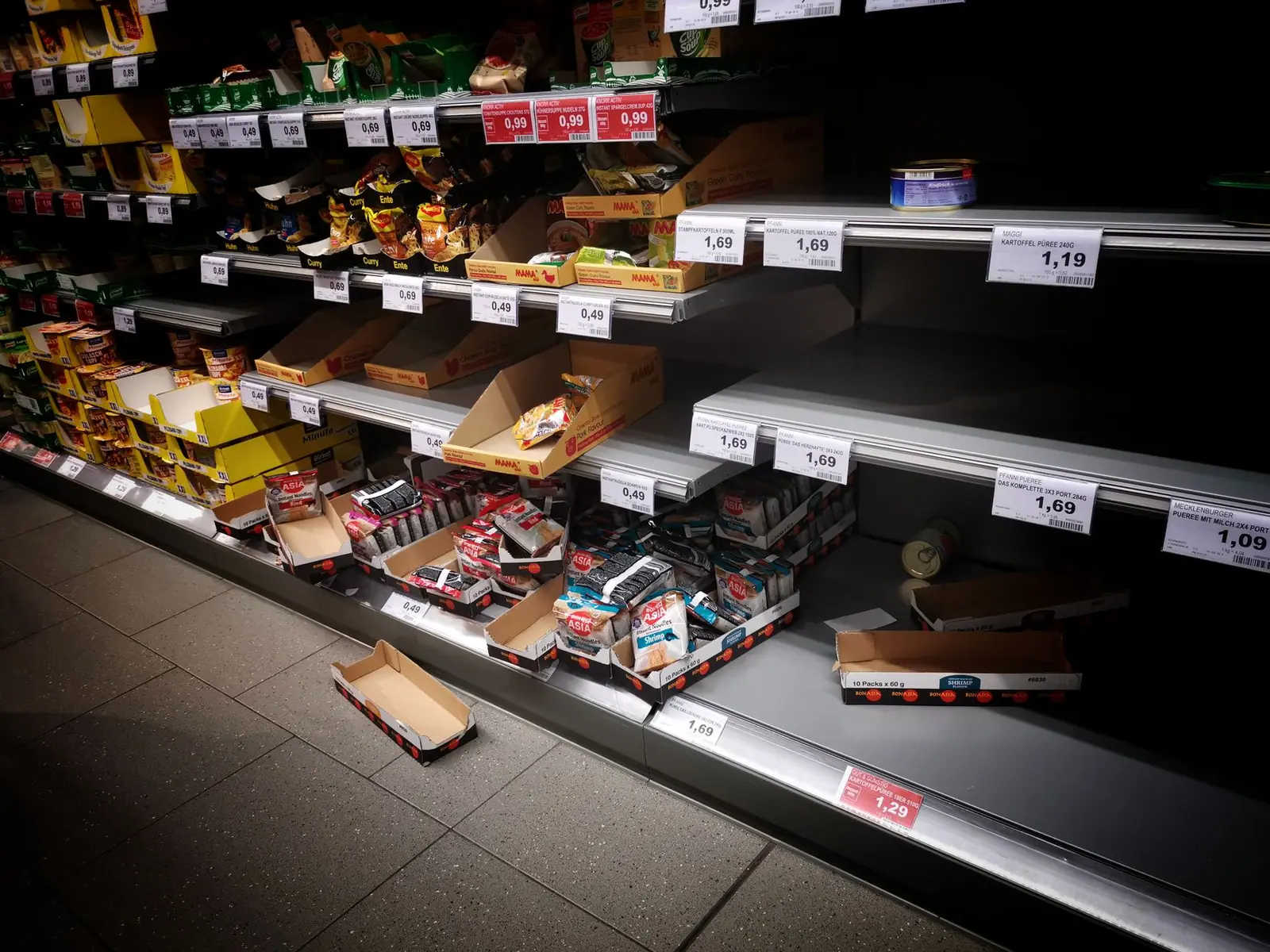
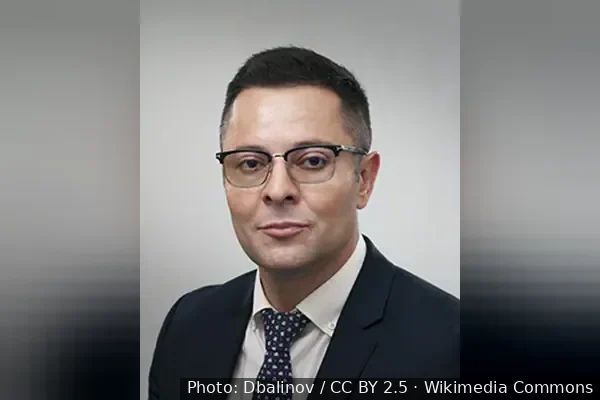
Between 20% and 50% of jobs in some non-food shops are vacant, said Galin Popov, chief executive of the Association of Non-Food Retailers (ATNS). He spoke at an event marking five years since the association was set up.
Shops lack managers, and staff want higher pay. Popov said the sector has two other problems: theft and higher costs. Transport now costs up to 20% more, and security up to 10% more. He said ATNS members agree that rising prices are not linked to the euro.
"Petty" theft has risen by up to 100% in some chains, while in others it is under control, Popov said. Retailers want changes, including to laws, and are talking to the interior ministry. They are discussing a full overhaul of how theft is reported and how it is proved.
Two non-governmental groups, one of them ATNS, sit on the "Non-Financial Sector" and "Consumer Protection" working groups of the Coordination Council for Bulgaria's preparation to join the eurozone. "I dare say this helped non-food businesses switch to the euro more smoothly," Popov said. He said the state listens to the association and institutions ask for its view.
ATNS's work so far includes training on European rules and a role in changes to the Competition Protection Act and the Consumer Protection Act. It has also dealt with illegal imports from Turkey.
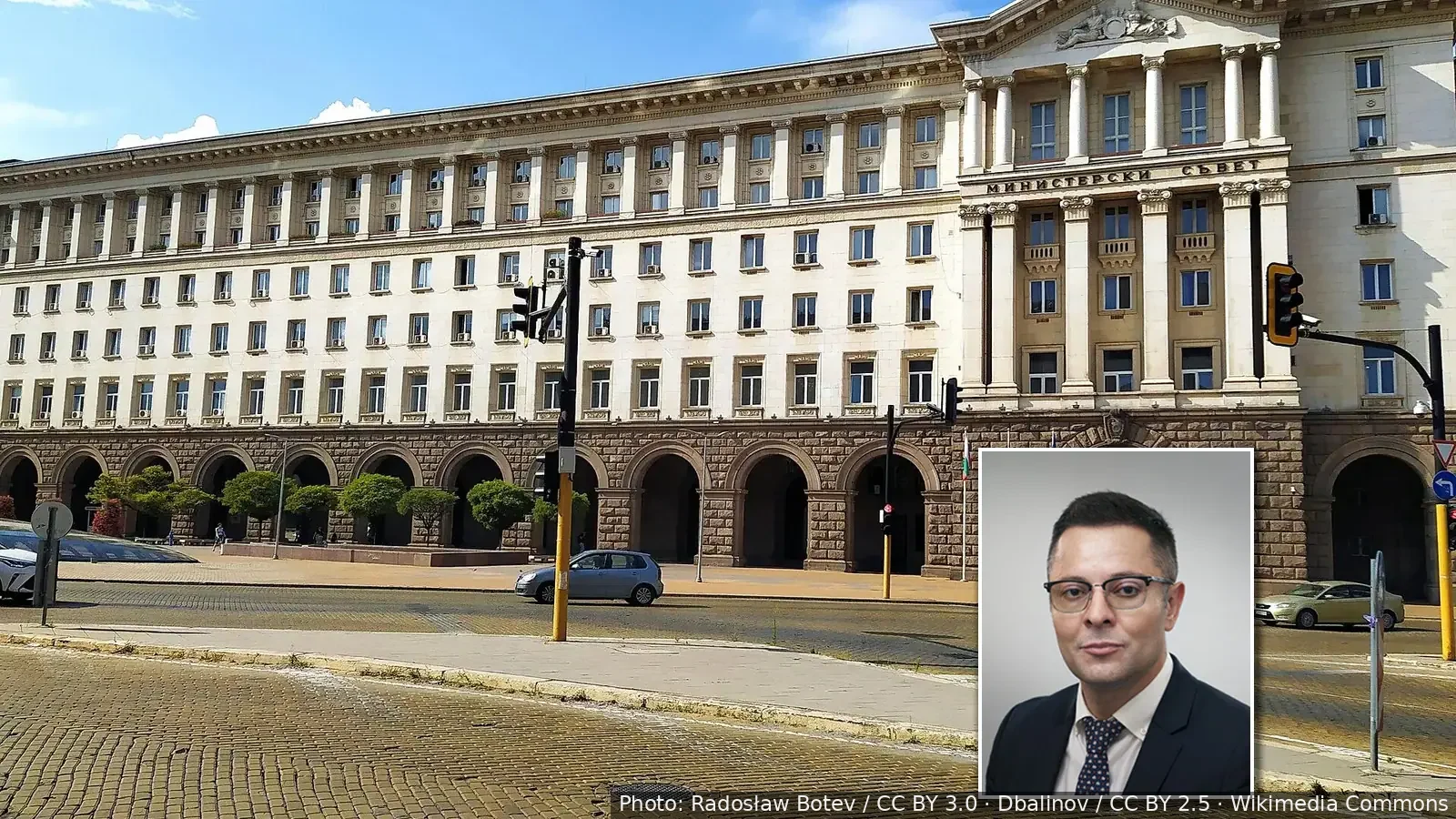
Lyubomir Datsov, a member of the Fiscal Council, also spoke at the event. He advised firms to plan their 2027 budgets rather cautiously, but to use the momentum from this year. Datsov thinks the overheated labour market and pressure on wages should ease over the next two years, and that will help investors.
Datsov said Bulgaria is in a good economic position, and the government should devote this year to structural reforms. The change of course in the budget is good, he said, but the steps are timid and the effort to cut the deficit is on the edge.



Comments (0)
No comments yet.