
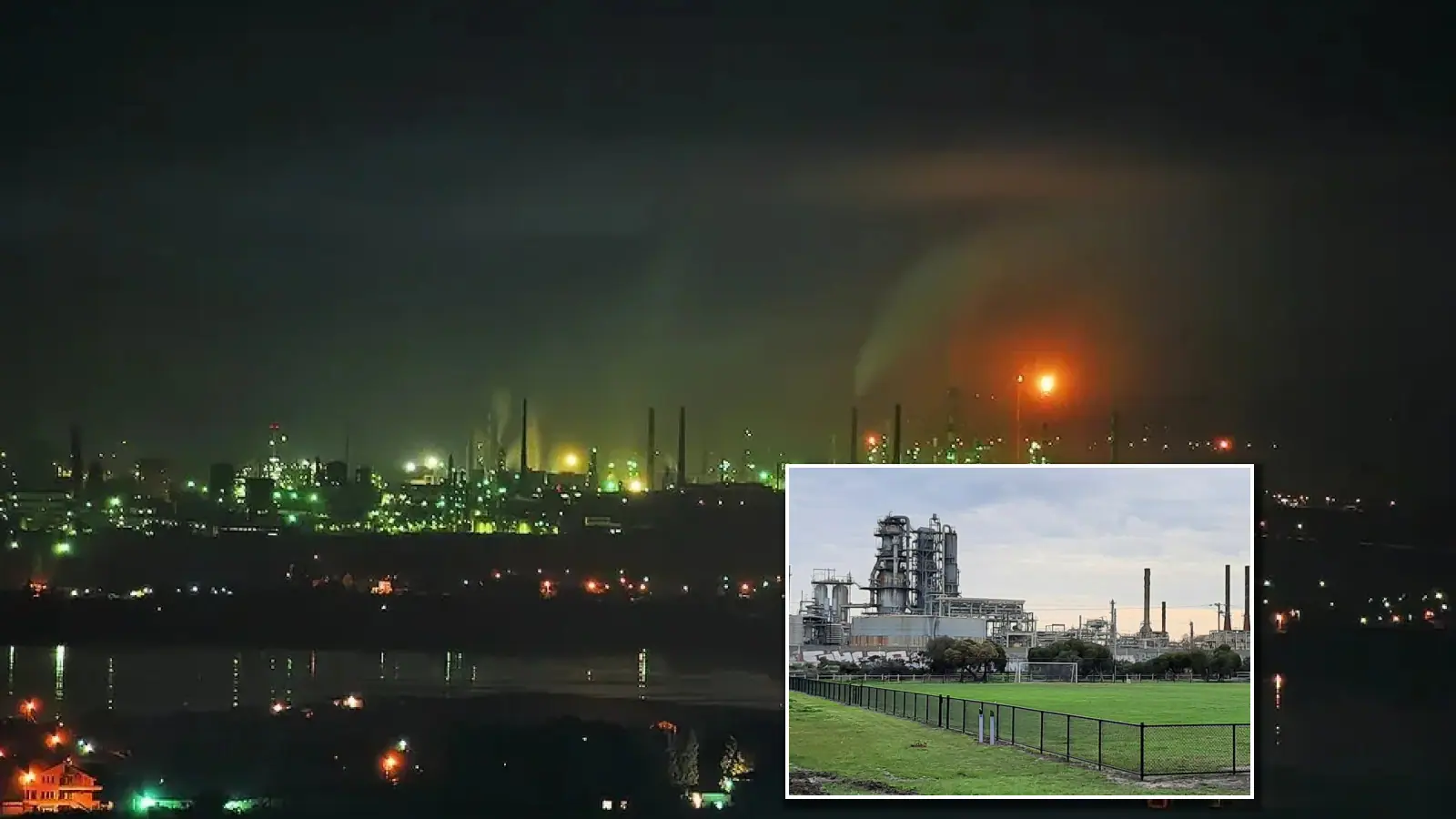
Flares at Lukoil Neftochim Burgas burned with a strong flame and black smoke today after voltage from an outside substation fell almost to zero. Nearly 80% of the process units shut down in an emergency, the refinery said.
According to the company's operational data, its air quality stations in Burgas, Kameno and Dolno Ezerovo have not recorded levels above the limits for the indicators they track. The refinery's own independent monitoring systems also show no excess. There have been no complaints from residents, and the company says there is no reason for people to worry for now.
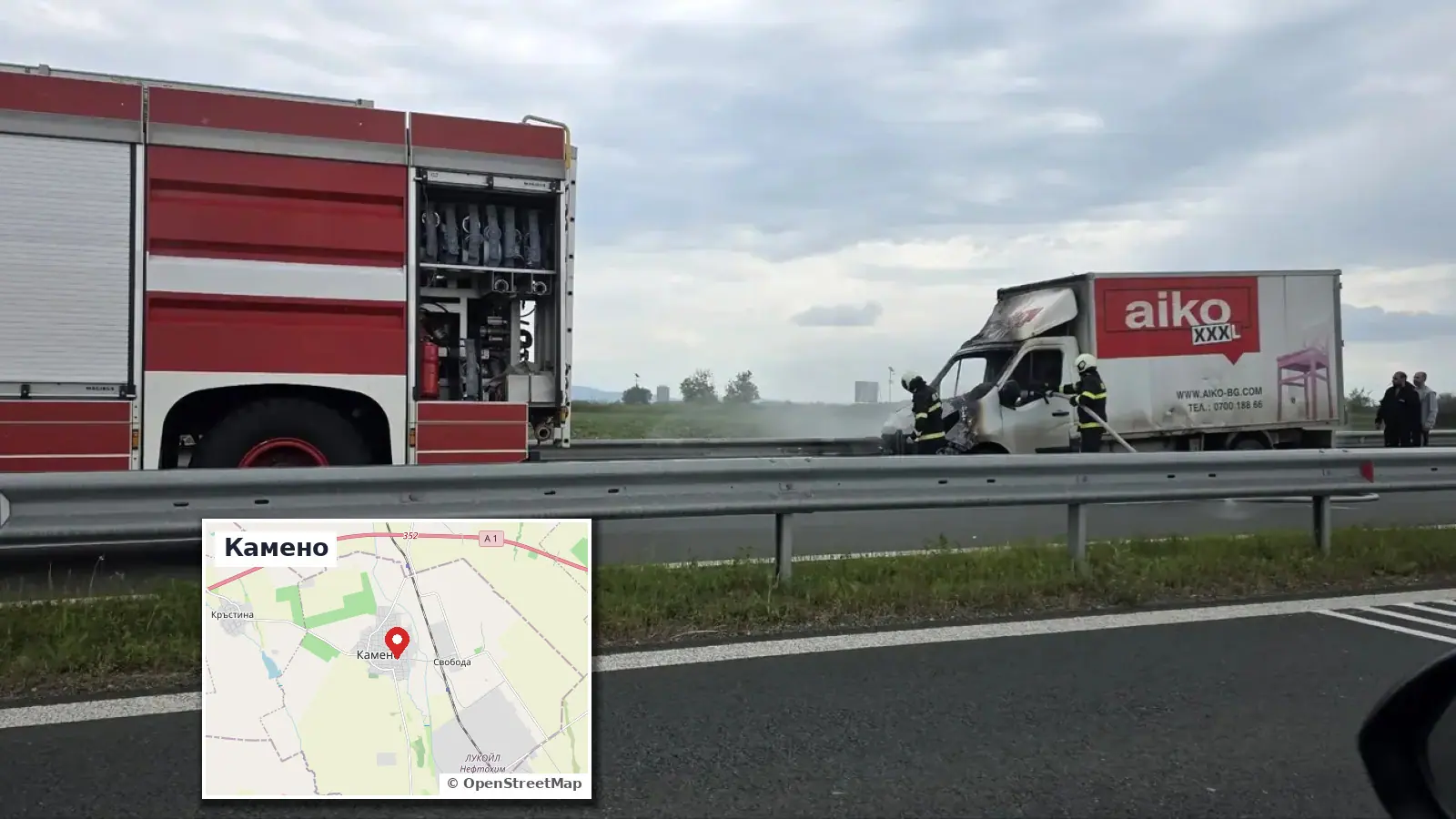
The fault was outside the refinery, at the Kameno substation, which runs at 110/20 kilovolts. Planned maintenance was under way there at the time. The refinery says a three-phase short circuit was followed by three voltage disturbances in a row: 400 milliseconds, 1 second and 400 milliseconds again.
The refinery has not had such a deep and wide outside power failure in 25 years. The Electricity System Operator will determine whether the cause was human error or a technical fault.
The refinery has four flares for hydrocarbons and one for hydrogen sulphide. They are ready 24 hours a day, 365 days a year, and the company says they are a required part of the safety systems of every modern refinery. In normal operation only the pilot burners stay lit, and their flames are barely visible by day.
The flares come on when equipment, units and processes start up, and when they shut down, whether planned or in an emergency. They take in the released gases and burn them under control, so the gases do not build up or escape into the air.
The flare tips have a smokeless burning system that feeds in steam and helps the gases mix with oxygen from the air. When gases rush in suddenly and in large amounts, as now, the steam feed takes some time to adjust. Black smoke is possible during this transition period, the refinery said.
The company says the black colour comes mostly from soot, fine particles of elemental carbon left when hydrocarbons burn only in part. Burning also releases water vapour and carbon dioxide, but not hydrocarbons, because they are burned off.

Comments (0)
No comments yet.