
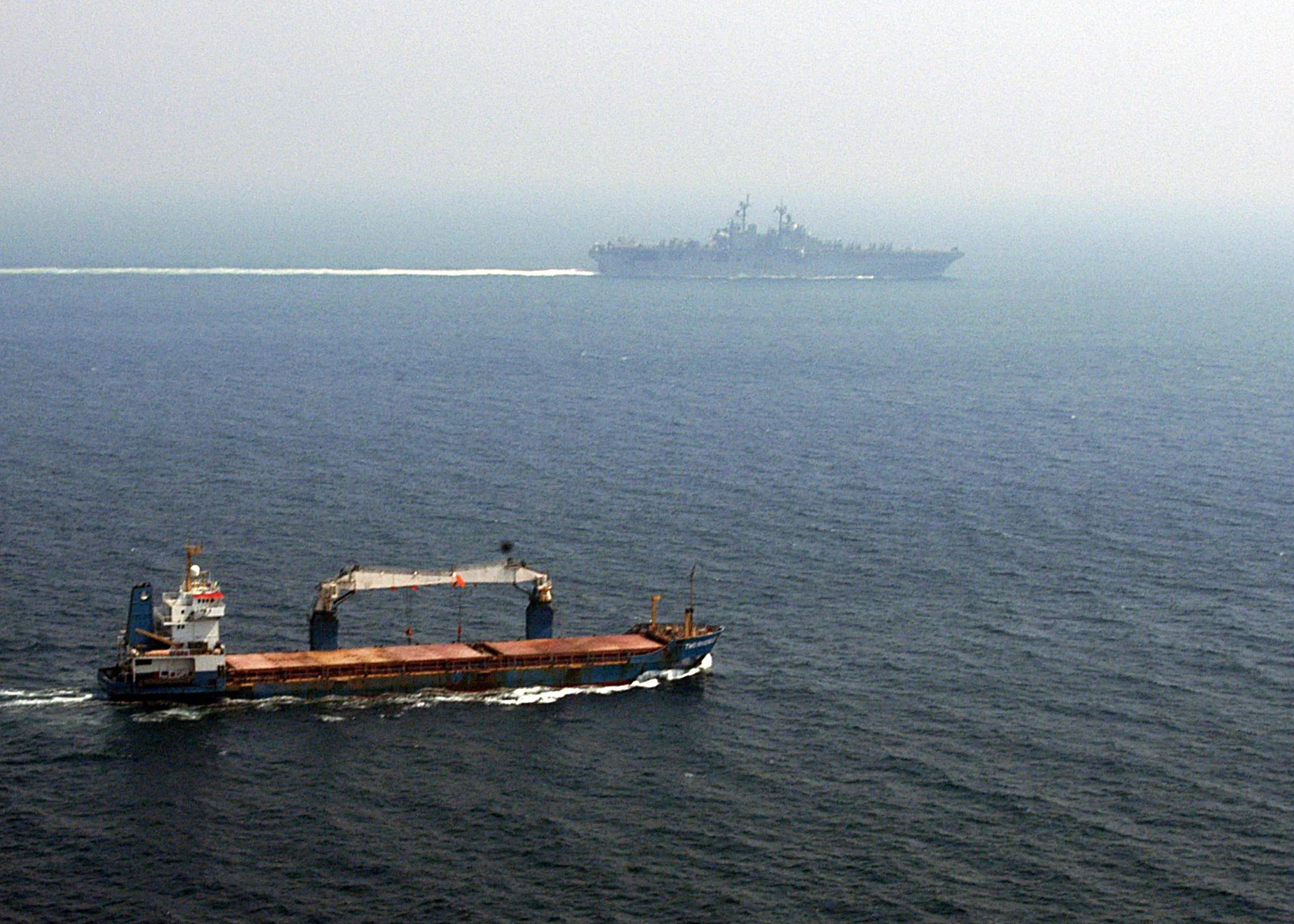
The two-week truce between the US and Iran, agreed on Wednesday, led to a sharp drop in oil futures prices and triggered a rally in global stock markets. However, energy analysts and economists warn that even with the most favorable developments, returning to normal volumes of global oil and gas supplies will require months, not weeks. Production stoppages, infrastructure damage and blocked logistics through the Strait of Hormuz remain a serious obstacle.
Millions of barrels a day remain off the market
According to an analysis by one of the leading consulting companies, around 11 million barrels of oil per day of production in the Middle East are still shut down, and their resumption is possible only after the normalization of exports through the Strait of Hormuz. In its latest short-term energy forecast, the US Energy Information Administration (EIA) estimates temporarily unavailable regional capacity at 9.1 million barrels per day in April, with a potential reduction to 6.7 million barrels in May - but only if hostilities cease definitively during the current month.
The consulting company "Wood Mackenzie" predicts that overall supplies will return to normal levels within three to four months after the resumption of exports through key routes. At the same time, experts warn that the normalization of production in Kuwait and Iraq may take longer due to more serious damage and more complex operating conditions.
Technical obstacles and damaged infrastructure
Restoring shut-in oil fields is not simply a matter of "turning on a tap". Reservoir development specialist Aditya Saraswata from "Rystad Energy" explains that for smaller fields, it takes between two and three weeks to reach full output again, while for large fields this process can take four to five weeks. The pressure in the layers must be increased gradually to avoid damage and permanently reduce production.
Wood Mackenzie analyst Priti Mehta adds that refineries that have completely stopped operations need 10 to 15 days for a complete restart – and only if there are no structural damage to the facilities. In real conditions, damage from strikes and improper shutdown can significantly extend this period.
Gas front: destroyed capacities in Qatar and years to recover
The situation with natural gas is even worse. The CEO of "QatarEnergy" Saad al-Kaabi announced that as a result of the missile strikes on the industrial city of Ras Laffan in March, two liquefied natural gas plants were taken out of service, providing about 17% of Qatar's export capacity. According to him, their recovery will take between three and five years.
"Cryogenic units are destroyed," said al-Kaabi, referring to the critically important cooling systems destroyed in the attacks. The company has already declared force majeure on long-term LNG supply contracts to China, South Korea, Italy and Belgium – a move that calls into question the energy security of key Asian and European economies.
Ripple effect on the global economy
The energy crisis is already turning into a wider economic shock. According to AAA, the average price of gasoline in the US this week reaches $4.14 per gallon – almost a dollar more than at the beginning of March and the highest level since 2022. For households, this means more expensive travel and increased pressure on family budgets.
A joint assessment by the African Development Bank, the African Union Commission and UN agencies shows that since the beginning of the escalation, 29 African currencies have weakened against the US dollar. This makes imports of food, fuel and fertilizers even more expensive and deepens the vulnerability of economies that are already highly dependent on imports.
From energy to food and medicine: a blow to supply chains
Disruptions in logistics are not limited to the energy sector. Closed or risky routes through the Middle East also disrupted the supply of fertilizers, which are vital for spring sowing in the northern hemisphere. According to "The Conversation", the production of nitrogen fertilizers has decreased by about 20%, and prices have increased by about 70% – a combination that threatens to turn into lower yields and higher food prices.
The BBC reports that pharmaceutical transport corridors through aviation hubs in the Persian Gulf have been seriously disrupted. This raises concerns about shortages of generic drugs in various regions, especially in countries that are heavily dependent on imports from Asia. According to the International Energy Agency, over 40 energy infrastructure facilities in nine countries have suffered significant damage since the beginning of the conflict.
Fragile truce and nervous markets
Despite the euphoria of financial markets – according to the BBC, the news of the truce has lowered Brent futures by about 13%, to approximately $94.80 per barrel – the real picture of physical deliveries remains tense. On Wednesday, CNBC reported that the spot price of Brent had exceeded $120 per barrel, almost $30 above the most traded futures contracts.
This gap shows that traders expect a continuing supply shortage, regardless of diplomatic gestures. Analyst Bob McNally of the "Rapidan Energy Group" commented to "Fortune" that "the likelihood that this truce will either not work at all or will break down soon after its establishment is quite high". In this context, the warnings of the experts sound clear: even if politics approaches a sustainable agreement, the economy will continue to feel the consequences of the energy war for a long time.

Коментари (12)
Ааа, месеци... Класика. Пък ние тук да се чудим защо цените
Абе пич, месеци ли? Сериозно?! Все пак си мислех, че ще е по-бързо... Да не би някой от руските тролове да има пръст в това да се бави възстановяването? Честно казано, малко съм скептичен. Трябва ЕС да вземе мерки бързо, иначе ни чакат лоши времена. Аман от тия кризи и интриги! България трябва да е силна и част от Европа, за да се справ
Абе, писна ми от тия петролни циркове! "Месеци", дето викат експертите... Ами нормално, щом се барикадират един друг, кой да плаща гориво?! Ние тук в България пак ще берем лошите плодове. Дано ЕС най-накрая се стегнат и направят нещо смислено – не само да си говорят празни приказки за "зелена енергия" докато цените на тока ни горят къщите. 🔥
А бе, сериозно ли? Месеци? Не им трябваше ли да помислят малко преди да си
Абе, я се разминах с тая новина... месеци?! Да бе, да! Ама кой ги интересува нас, българите? Пак ще плащаме двойно за гориво, ама никой не казва "извинете". Този Иран... винаги правят проблем. Хубаво е, че има примирие де, ама все едно х