
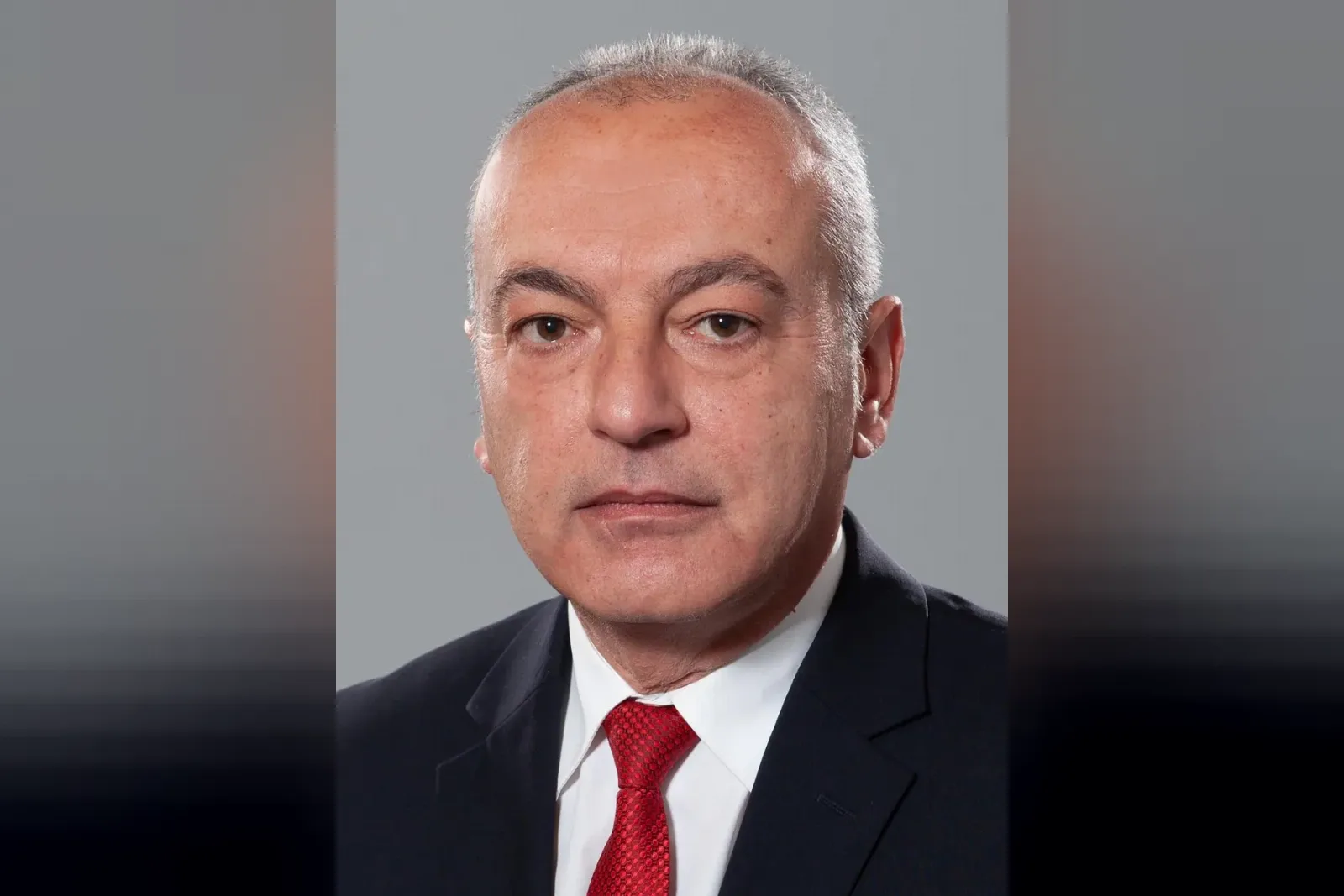
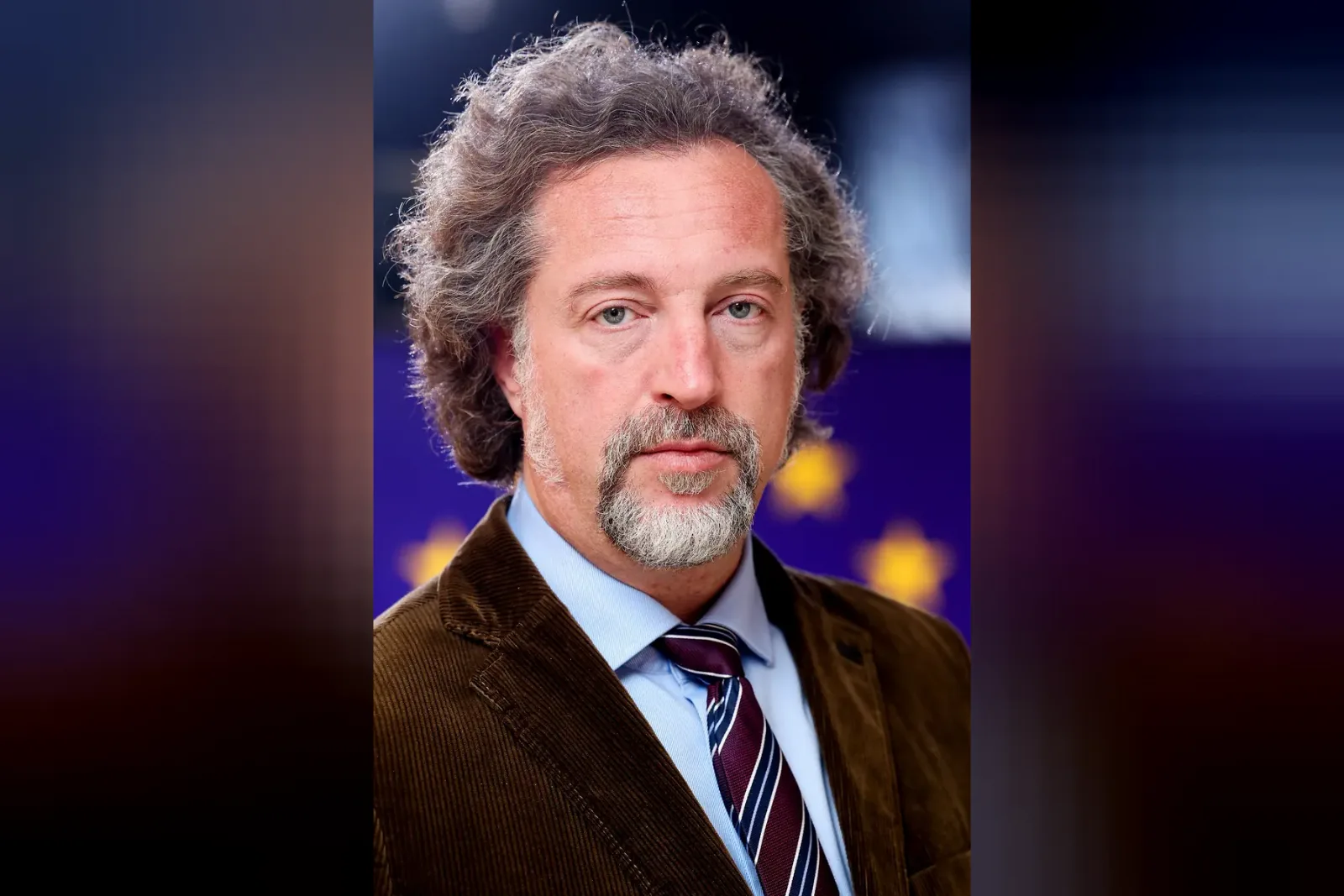
Bulgaria's government has sent only one official letter to the European Commission about using money from the second pension pillar, and its position is the one posted on the Commission's website. Prof. Alexander Marinov said this on Bulgarian National Television (BNT). He is an adviser to deputy prime minister and finance minister Galab Donev, and a political analyst.
Marinov was a guest on the show "The Day Begins with Georgi Lyubenov". He said the correspondence with the Commission is open to the public, and there is just one letter, with clear content.
The row began over talk of using money from the second pillar and claims that there was more than one letter to the Commission. Marinov said it is natural for experts to set out different options when times are hard. Only what has been agreed and written into the budgets counts, he said.
The "hysteria" over the letters, and the questions about why the Council did not meet and why the budget is being hidden, "is a certain manoeuvre, an operation that was meant to draw attention away from the three audit reports of the Court of Audit", the adviser said.
He said the reports show abuse and fraud in the management of public finances and of the state. In a normal country, he said, the consequences would be very severe. Marinov also said the state was run unwisely for six years. He stressed that this is the conclusion of the Court of Audit, not a political judgement.
In under a year, the deficit is falling by a total of 4bn. When the government took office in May, it found a deficit of 9bn. After the measures in the 2026 budget it drops to 7bn, and under the 2027 budget it will be 5bn.
Marinov called the current budget a "budget of bringing people to their senses". He admitted the deficit could shrink more and faster, but at an unacceptable price. In his view, the way out is a balance between revenue and spending. Bloated spending should be cut step by step, and the money redirected to social, industrial and technology priorities.
On inflation, the adviser said the government affects prices by cutting spending step by step and refusing automatic rises in some high pay. There are also steps against unjustified price rises, he said, and part of the inflation comes from abroad.
Asked about ideas for a windfall tax on some companies, Marinov said: "No, I don't think this is a war on the rich. The windfall tax is not a Bulgarian invention." Nine EU countries have such a tax, he said, and in some of them it is not a one-off and was brought in for four years.
The adviser said the tax hits a set part of the profit gap and takes into account companies' refinancing and investment. For him, what matters is whether the money is invested in Bulgaria or goes to company headquarters.
The talk also touched on possible protests, the political situation after the presidential election and the coming visit to Bulgaria by European Commission president Ursula von der Leyen. On the protests, Marinov said the reasons and the social roots of the discontent are what matter.
Marinov said Bulgaria sees its future in Europe. In his view, EU membership helps keep policy more prudent and restrained, giving diplomacy a chance rather than strong words.


Comments (0)
No comments yet.