
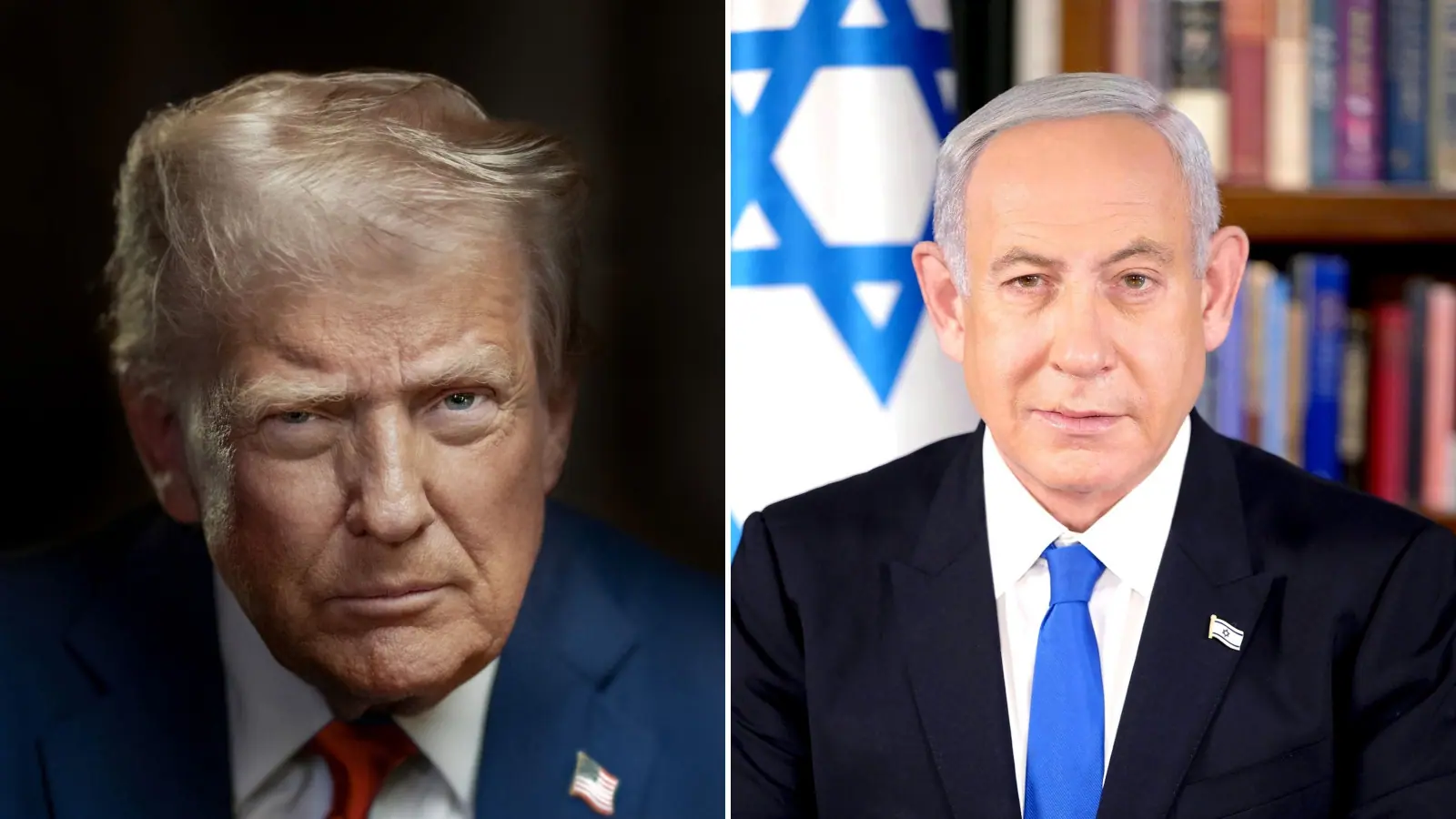
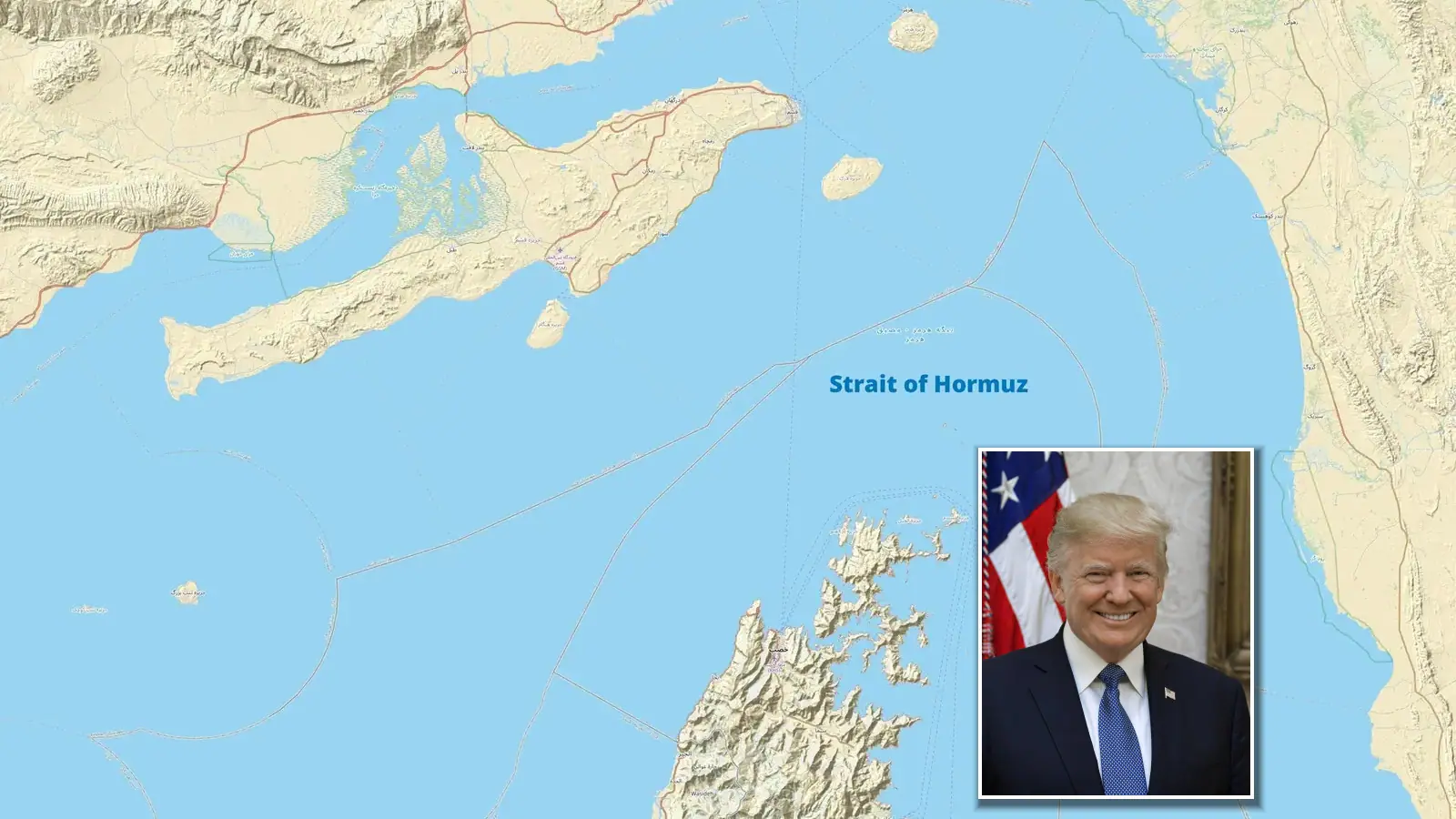
US forces carried out an air strike on Iran's Qeshm island, near the Strait of Hormuz, US officials said early on Tuesday. They said it was a response to Iranian fire at a US aircraft. The strike came while mediators are working to end the war between the US and Iran.
A senior US official said the strike was defensive and not the start of a wider campaign. He said Iran fired first, and that the US is not resuming large-scale attacks or seeking escalation. Another official said the administration is responding steadily to threats against US forces in the region.
US forces have carried out limited strikes in Iran for several weeks, mainly targeting Iranian attacks on merchant ships in the Strait of Hormuz. A US official said the operations are mostly kept quiet so that it does not look as if the wider campaign is starting again. The Pentagon and US Central Command did not respond to requests for comment.
There were explosions on islands in the strait on Monday evening, before the strike. The Islamic Revolutionary Guard Corps (IRGC) said its air defences intercepted and took control of two MQM-170 drones south of Qeshm and destroyed an MQ-9 drone east of the strait. The Iranian claims have not been independently verified.
President Donald Trump wrote on his social media platform on Monday evening: "Iran wants a deal, as soon as possible. It could happen!" He said oil had fallen by nearly $10 a barrel, and that the drop reflected expectations that the war will not resume. Trump added that there is no rush to decide whether to resume it.
Asked by a reporter at the White House whether he would resume strikes after the midterm elections, the president answered: "No". At a campaign rally in Iowa on Sunday evening, he warned that at some point the US would have to "drop the hammer" on Iran.
Vice-President JD Vance expressed cautious optimism. He said the talks have made some progress, the US will seek more, and there is no deadline for resuming strikes.
A Qatari delegation led by senior official Ali al-Thawadi arrived in Tehran on Monday for talks with Iranian foreign minister Abbas Araghchi, two diplomats briefed on the visit said. The trip is part of Qatar's mediation and follows talks in both countries last week.
Two regional officials said Qatari mediators held two rounds of talks with Iranian officials last week, and that the talks are making progress. Under the plan being discussed, Iran would stop attacks on shipping in the Strait of Hormuz and the US would lift its blockade of Iranian ports.
Prime Minister Benjamin Netanyahu is pressing Trump to resume military action against Iran after the US midterm elections, the two regional officials and another source said. One of them said Netanyahu is lobbying senior administration officials for a quick but large-scale air campaign, and that the president has not yet decided.
A person familiar with the call said Netanyahu urged Trump to order strikes in a phone conversation over the weekend, but the US president did not commit to military action. The regional officials believe a return to full-scale war with Iran would help Netanyahu form an emergency government amid Israel's political deadlock.
Other US allies in the Middle East are warning against fresh attacks. They say escalation could destabilise the region and lead the Iran-backed Houthis in Yemen to step up attacks on Saudi Arabia and on merchant ships in the Red Sea.


Comments (0)
No comments yet.