
Russia attacked Ukraine overnight on 14 November with 96 strike drones, 61 of them jet-powered. Ukraine's Air Force said it shot down or jammed 81 by 07:30. In Hlukhiv, in the Sumy region, three people were wounded, including a child and a police officer. Kramatorsk has no gas or heating, and almost no undamaged buildings are left in the city.
The attack overall
Besides Shahed drones, Russia also launched Gerbera drones and Parodiya decoy drones. Preliminary data show that by 07:30 Ukraine had shot down or jammed 81 Shahed drones, 52 of them jet-powered, along with Gerbera drones and drones of other types. Aircraft, anti-aircraft missile units, electronic warfare units, unmanned systems units and mobile fire groups all took part in repelling the attack.
Drones hit eight places, and debris from downed drones fell on two more. Several strike drones were still in the air, and air defence was still working.
Hlukhiv: a child and a police officer wounded
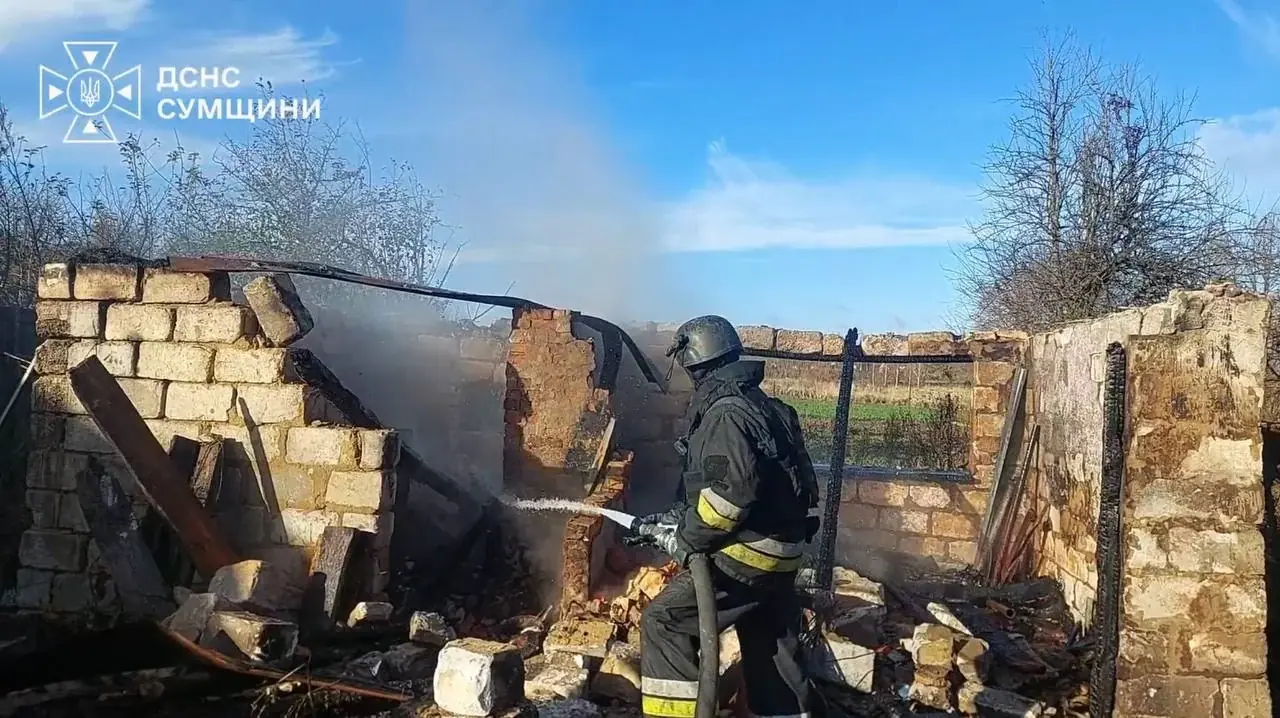
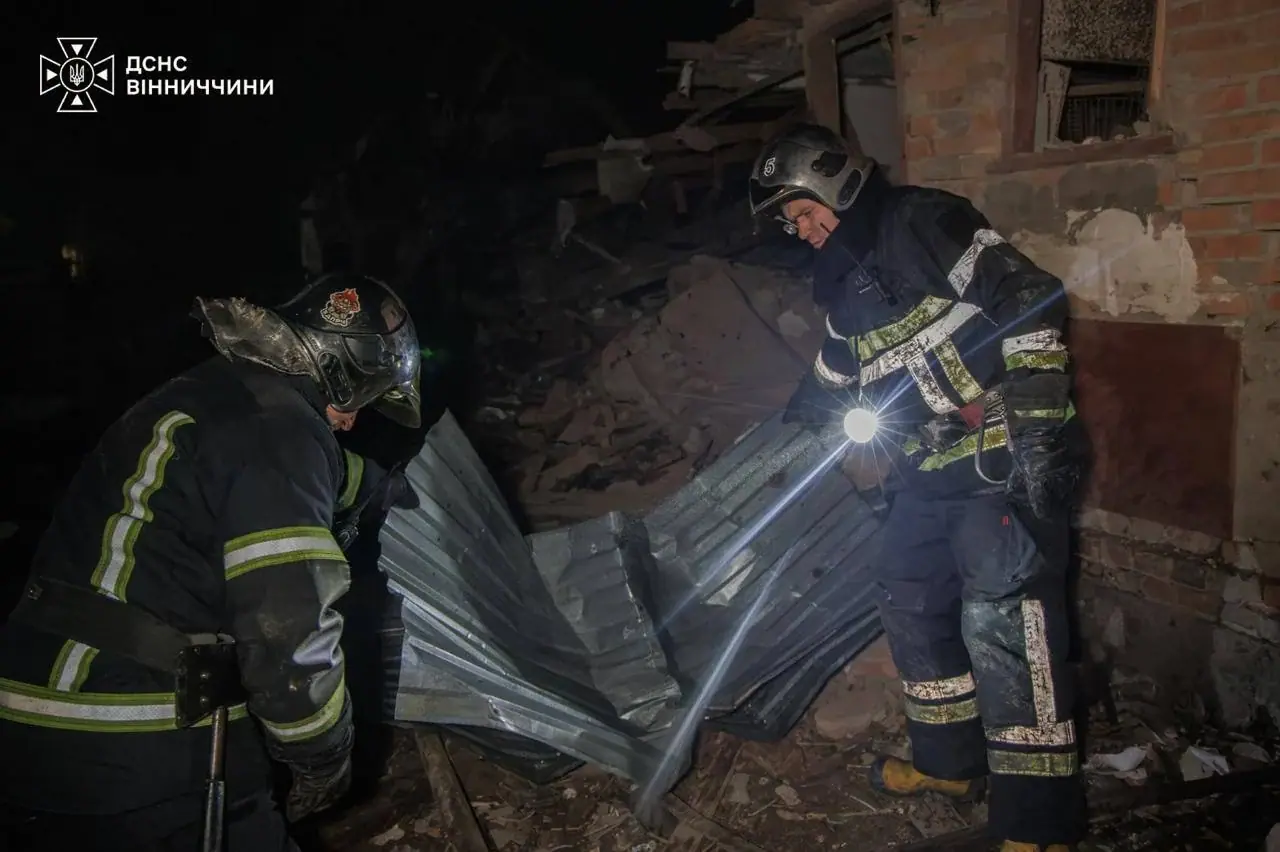
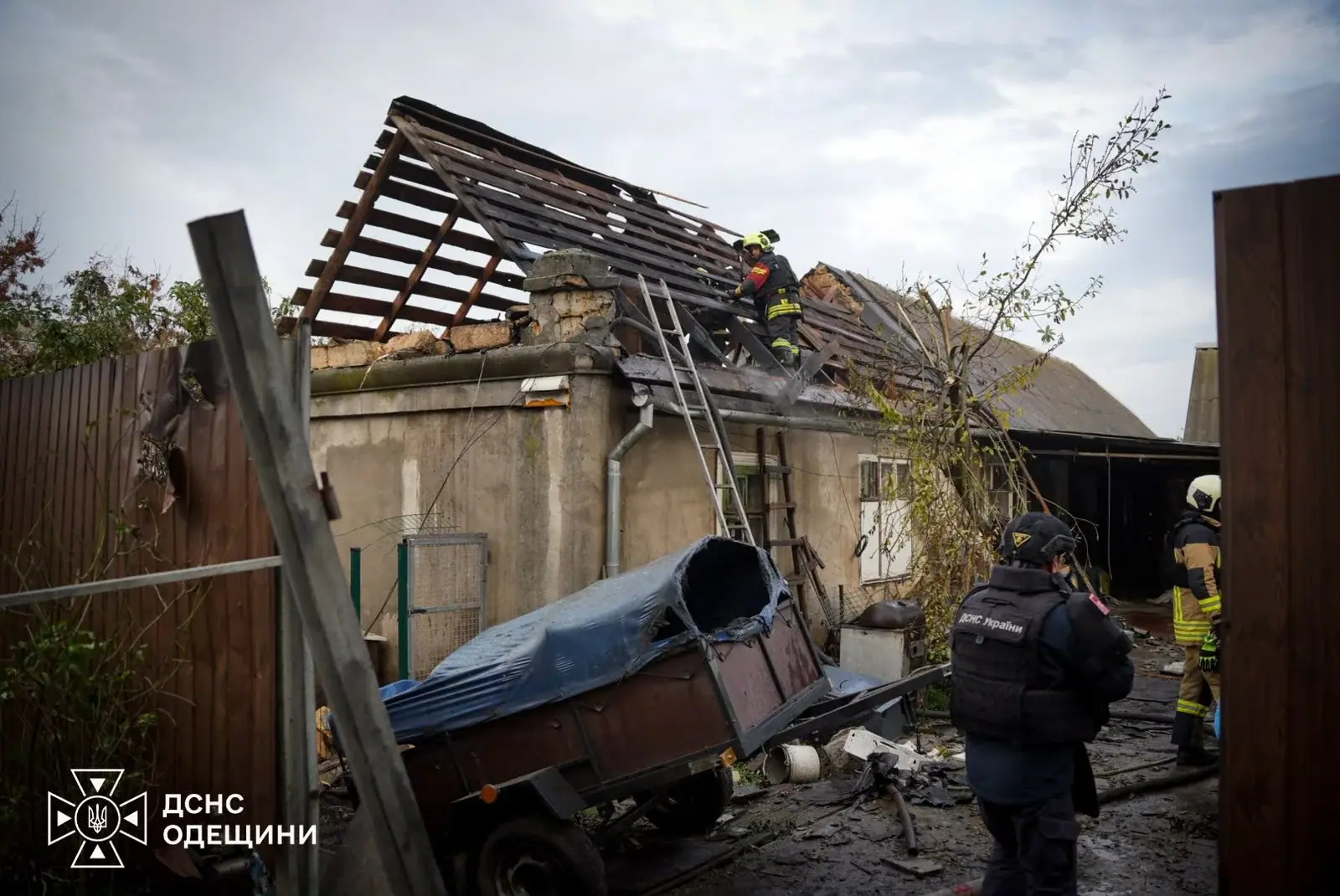
On the morning of 14 November, Russian drones hit houses in the Hlukhiv community in the Sumy region. The State Emergency Service said three people were wounded, including a child and a police officer.
A house and two outbuildings caught fire. Firefighters put out the blaze despite the threat of new strikes.
Kramatorsk: no gas, water or power
Almost no undamaged buildings are left in Kramatorsk, in the Donetsk region. Apartment blocks, houses and municipal buildings have been hit, and half of the city centre is destroyed. A strike on the city council building also damaged neighbouring blocks.
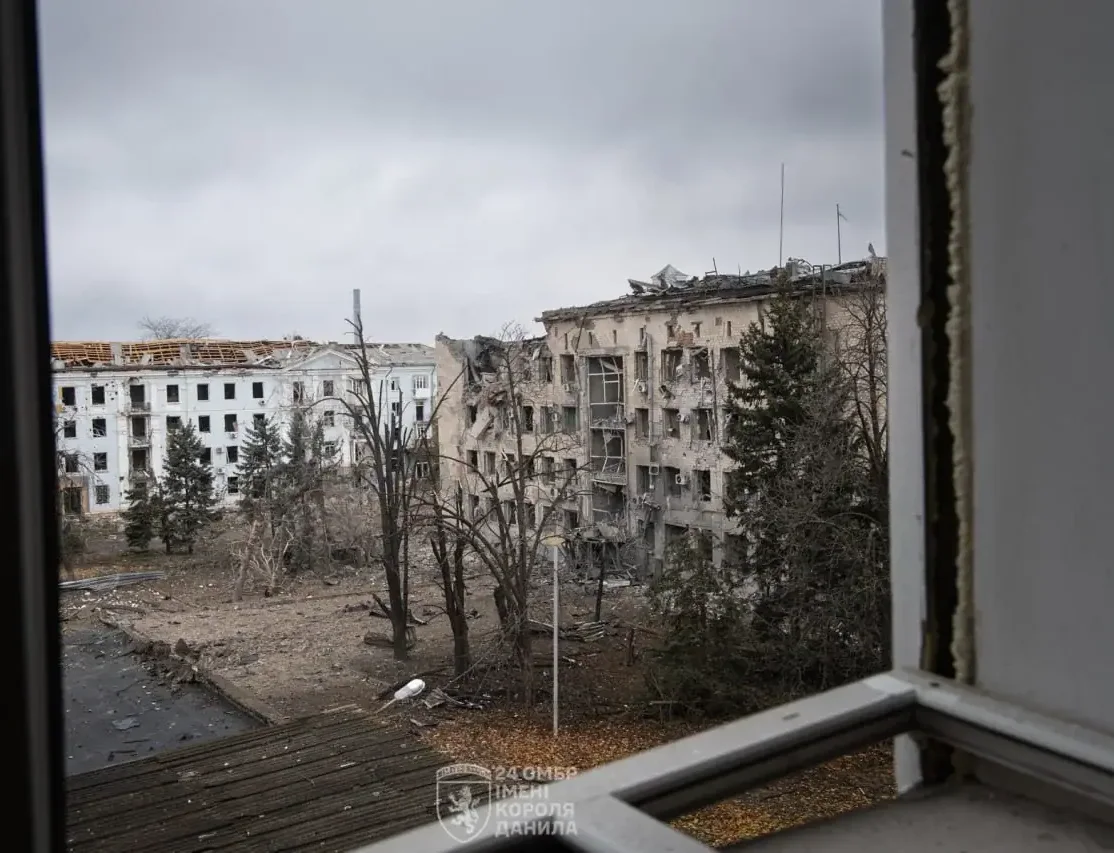
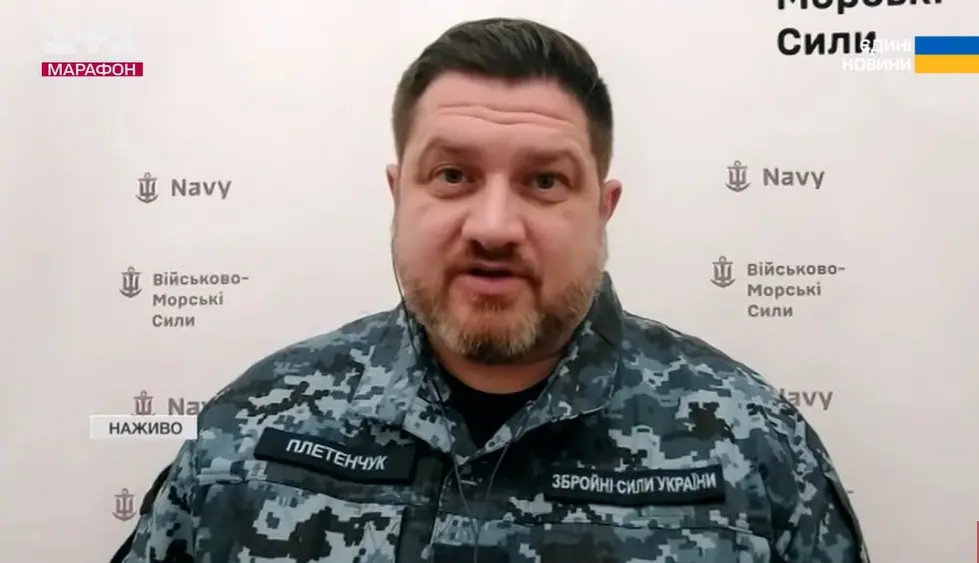
A strike hit the gas pipeline, so there is no gas, and the heating season has still not started. Water and power are more the exception than the rule. Olha Kosenko, spokeswoman for the 56th Motorised Infantry Brigade, said the Russians attack the city with FPV drones, "waiting" drones and transit drones. The transit drones also threaten civilian transport, and one recently hit an ambulance.
Kosenko also said Russian infantry advances in small groups of one to three people and increasingly tries to slip between Ukrainian positions, using rain and fog. Ukrainian scouts and strike drone operators work in bad weather too, and in recent days soldiers have hit two enemy guns. Russian artillery, she said, is very active.
Russia began the war against Ukraine in February 2022 with its full-scale invasion, and cities and their residents pay the price every day.
Comments (0)
No comments yet.