

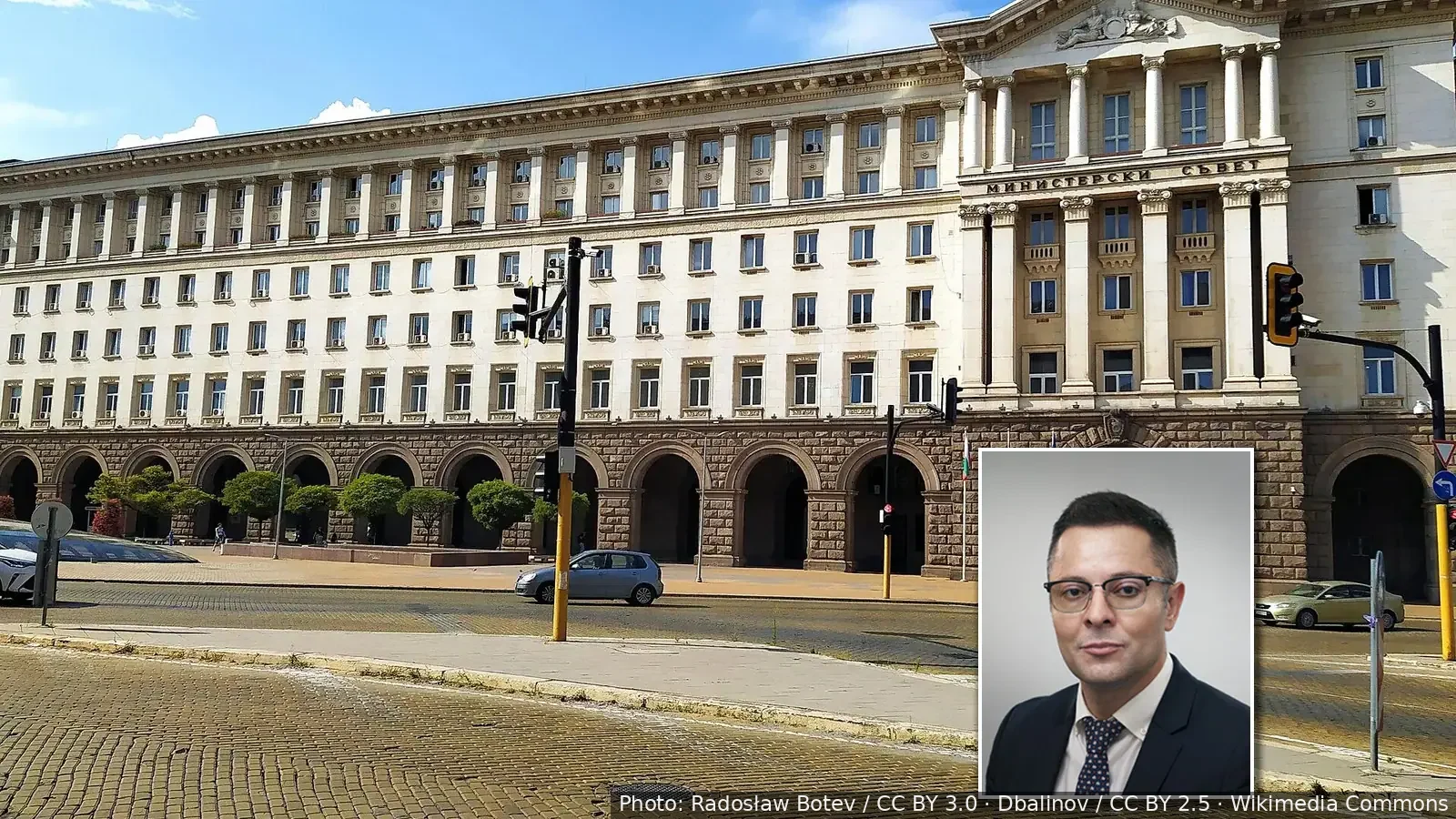
Bulgaria's competition watchdog is not targeting Kaufland's foreign owner with its fines of nearly €76m, said Radomir Cholakov, deputy chair of the Commission for Protection of Competition (CPC). He said the commission treats all firms equally and makes no distinction between foreign and Bulgarian investors.
The CPC's decision became public in November 2026. It found that the chain broke the rules three times in its dealings with food suppliers and imposed three separate fines.
On 28 October, the competition watchdog said it would decide within about ten days on one of two proceedings against large retail chains, the other being against Maxima Bulgaria.
The biggest fine is €31,854,192, or 2.2% of Kaufland's 2025 turnover. It was imposed because the chain unfairly deducted money from supply prices for services it provides itself. Kaufland must pay another €21,899,757 (1.58% of turnover) for asking suppliers to cut their prices. The third breach carries the same sum and percentage. It covers unjustified obstacles and delays in talks when producers ask for higher prices.
The CPC has punished Kaufland for unfair practices before. In 2020 it fined the chain more than €173,840 (340,000 leva) for abusing its stronger position in negotiations, and found it had done so since July 2015. The Supreme Administrative Court upheld the decision and the full fine in a final ruling in 2023. In 2025 the CPC found two more breaches and imposed two fines of €127,823 (250,000 leva) each.
In all three cases the fines were the highest the law allowed at the time. Changes to the Law on Protection of Competition in November 2025 added new bans on unfair practices and set the cap at up to 10% of turnover for each breach. In Poland, a fine for a similar breach was €163m, but Cholakov said practice on the size of fines differs across Europe.
He said the CPC's job is to protect the weaker side in the market. Big firms hold a stronger position and can abuse producers, so strict checks are needed. Cholakov told Nova that a sector analysis of the food market, begun in June 2025, showed problems and led to proposals to change the laws.
Producers are still afraid to file reports, in case they harm their relations with retailers, the CPC deputy chair said. If a chain retaliated against a supplier that gave the commission information as the law allows, that would be a serious breach, he warned.
Cholakov expects the CPC's actions to help Bulgarian producers and the market to force some big retailers to cut their margins. He said that if producers keep more money, they can invest and make more goods of better quality.
Cholakov said the more active work of the watchdogs comes from better work by the institutions and better links between them. He added that the CPC applies the law consistently and within its powers.
The commission has also opened 8 cases over suspected cartels in public procurement, including for hospital food and IT equipment. All began after reports, which Cholakov says shows trust in the CPC is growing.




Comments (0)
No comments yet.