
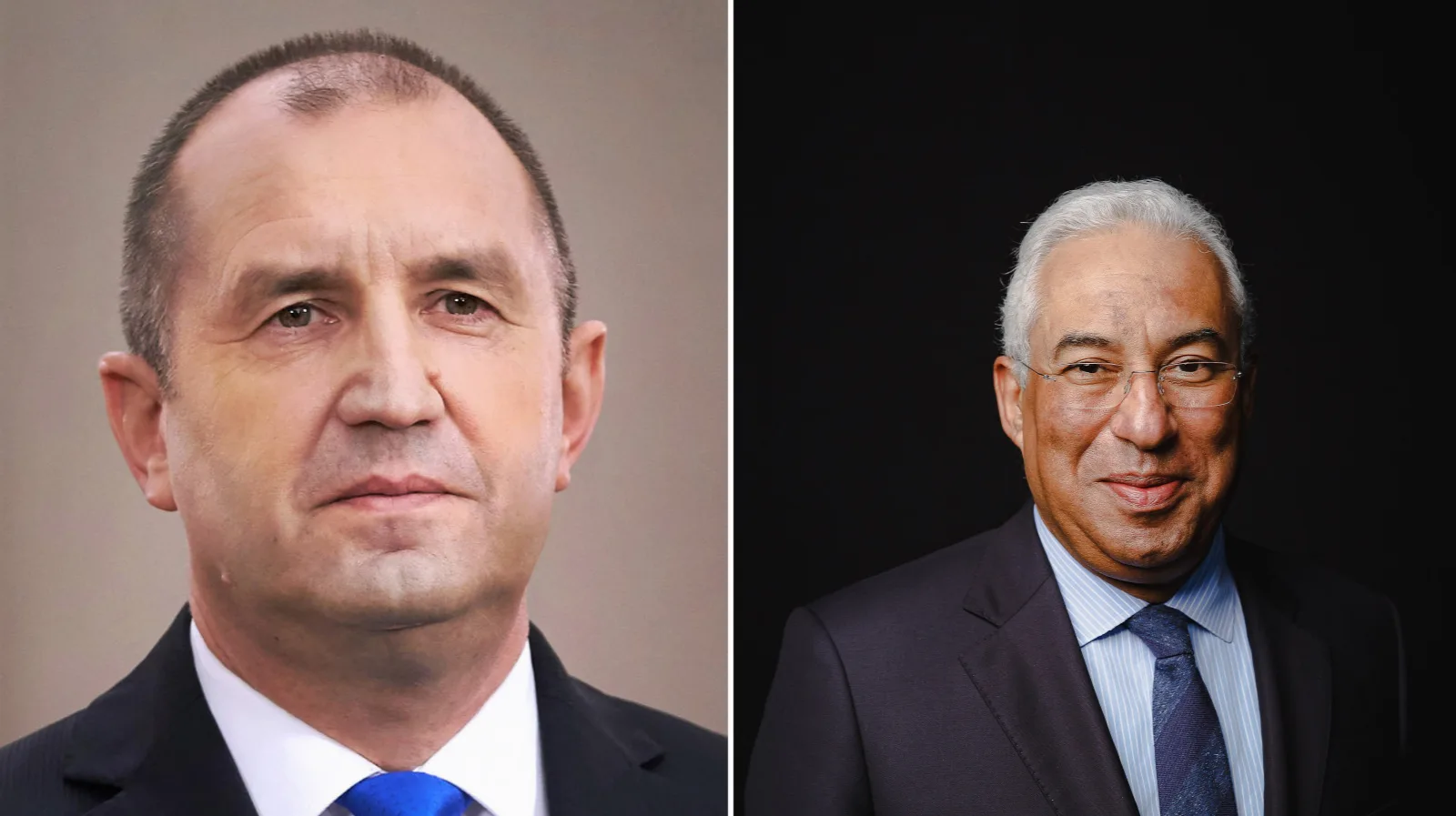
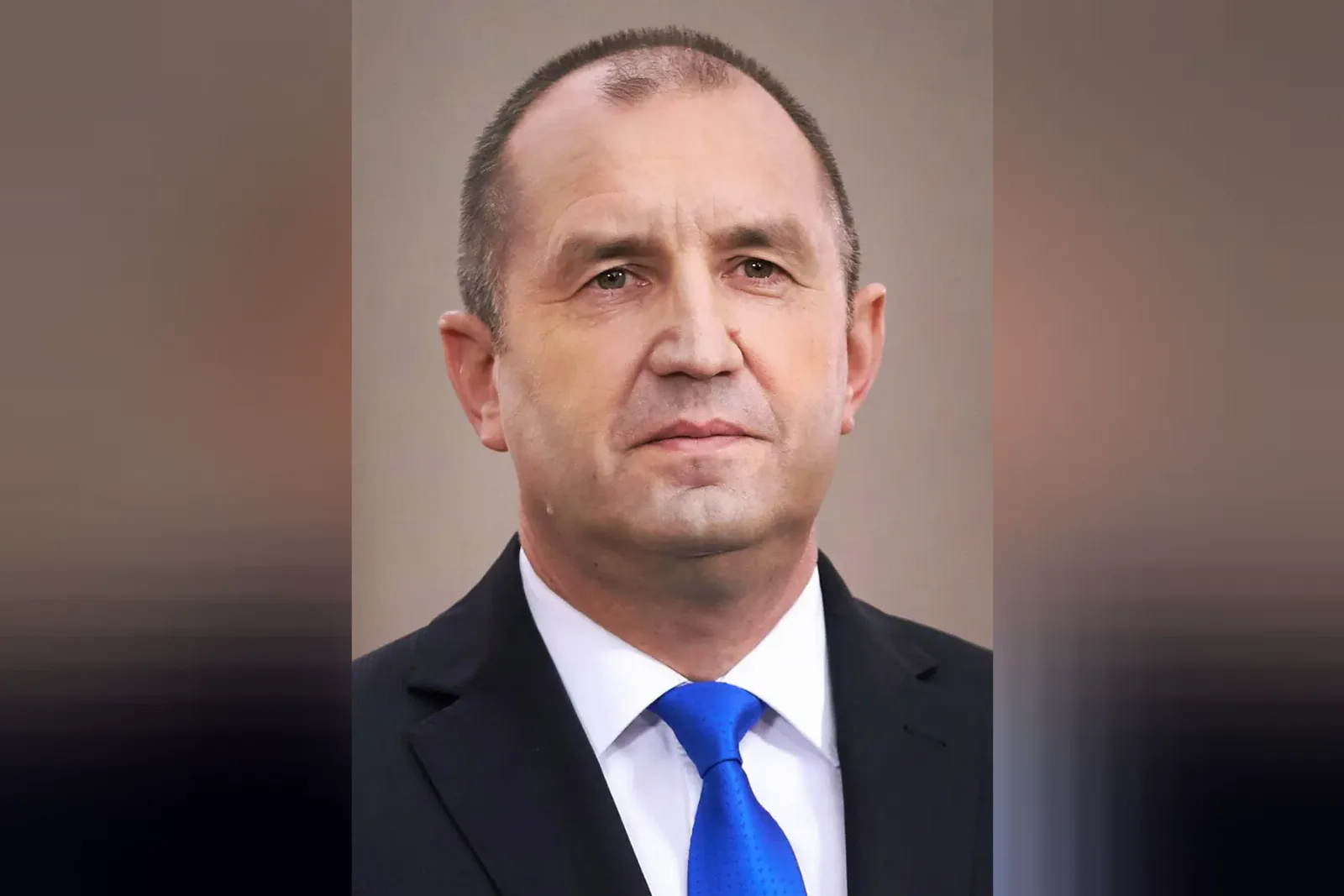
During an official visit to Sofia, Rumen Radev held an in-depth discussion with the President of the European Council, António Costa. The high-ranking leaders examined a number of fundamental topics that will define the Community's future agenda. The main focus of their dialogue was on the formation of the multiannual financial framework, the strengthening of defense capabilities and security, the pursuit of European technological sovereignty, as well as issues of energy, transport, and digital connectivity and the future enlargement of the European Union.
Radev highly valued the consultations held, defining them as extremely useful for outlining a common course. He emphasized the need for decisive and unified behavior in the face of the numerous and complex crises facing Europe today. Radev noted: "As you know, Europe today is facing many different crises, and this compels all of us, the member states, to be persistent, to have the strong will, and to seek workable and rational solutions to overcome these crises."
Regarding financial planning, Radev pointed to the serious challenge facing the Union in balancing its ambitious goals with the limited volume of available resources. He stated his support for the strategic vision of focusing on competitiveness and security in an unpredictable world, but firmly emphasized that these priorities should not be achieved by cutting budgets for vital tools such as cohesion policy, enlargement, and economic policy. In the context of technological development, Radev proposed a new concept called "industrial cohesion" to ensure equal access for all member states to European tools for industrial progress: "This is something I even proposed to Mr. Costa, that we think about a new term – industrial cohesion. Let us not only speak of cohesion as the classical cohesion has been so far – through social programs and infrastructure – but of a cohesion that enables all member states to participate in principle, to participate equally in the technological and industrial development of Europe."
Significant attention in the conversation was devoted to security issues. Radev emphasized that strengthening defense capacity requires coordinated efforts on the part of member states: "Speaking about defense, we must emphasize that all the challenges we face in the security sector require us to unite our efforts – scientific, technological, industrial." At the same time, while discussing the issue of connectivity, he pointed to Bulgaria's strategic role as a key location along future energy and transport corridors.
European Council President António Costa placed emphasis on the importance of 2026 as a critical stage for the future of the European Union: "2026 is a cornerstone for the European Union – you adopted and introduced the euro one year after your full membership in Schengen. 2026 is also decisive because by the end of the year, we must have approved our long-term budget for the period up to 2034. This is fundamental for guaranteeing continued investments for those who are building Europe's prosperity." He pointed out that the changed global situation necessitates the development of an entirely new architecture for the budget framework, different from the one agreed upon in 2020: "The next budget will have an entirely new architecture. Developed and designed for the world we live in today, it is very different from the current budget, which was agreed upon back in 2020. The new reality requires a new approach to our common budget, with a new structure and allocation of resources."
António Costa's visit includes a series of talks with European leaders. Before his visit to Sofia, he held a meeting with the Mayor of Bucharest, Nicușor Dan, in Bucharest, and after the end of his visit to Bulgaria, he headed to Athens for consultations with Greek Prime Minister Kyriakos Mitsotakis.
Comments (2)
Коща бил тука? В софия ли
софия, значи? ама защо все трябва да ни посещават от ес, за да си решат проблемите? не може ли те сами да се справят? и каква индустриална кохезия говореха всъщност – ще ни затрупат ли с още някакви регулации, дето не разбираме нищо.