
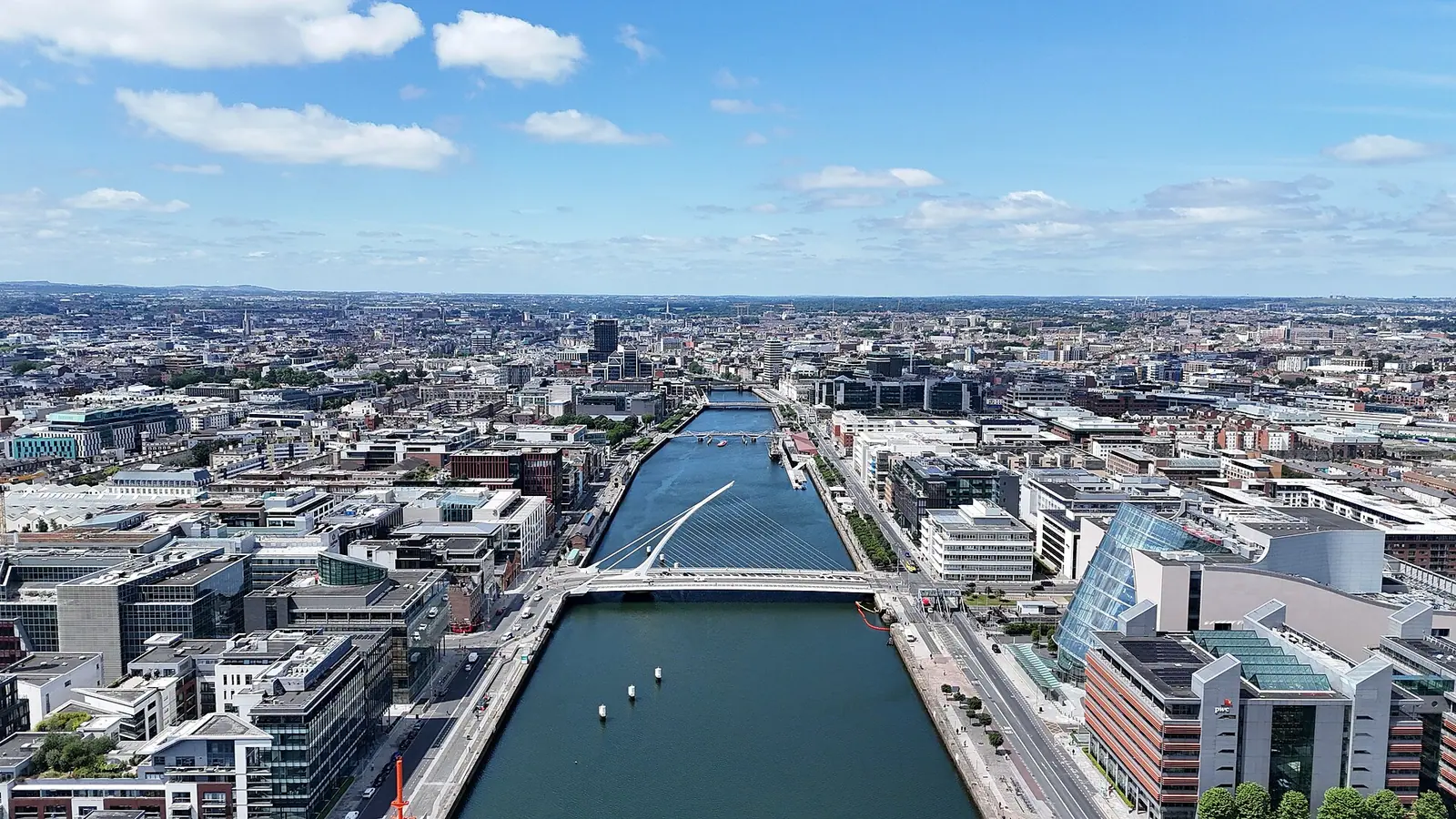
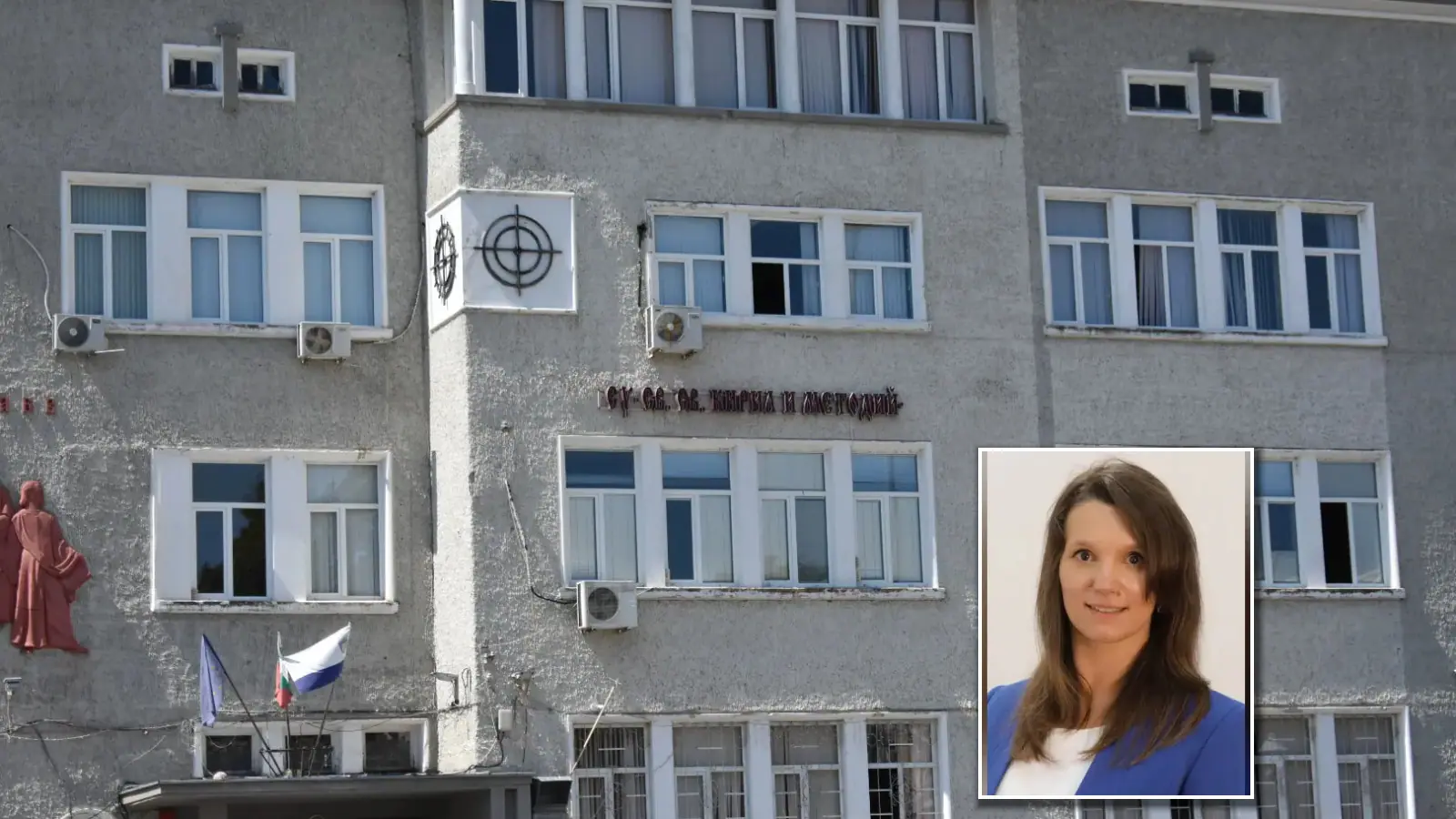
Deputy education minister Nikolay Vitanov, an academician, represented Bulgaria at an informal meeting of EU education ministers in Dublin, the Bulgarian education ministry said.
The ministers discussed better basic skills for pupils, lifelong learning, and how to prepare schools for the new skills needed in the digital and green shifts. The meeting is part of Ireland's presidency of the Council of the EU.
They reviewed the PISA 2025 results, ways to cut inequality in education, and ways to make better use of digital technology and artificial intelligence in teaching. They also discussed the UK and Switzerland joining Erasmus+ from 2027, and stressed the value of international co-operation in education.
The ministry said Bulgaria told the meeting that basic skills are the base for successful learning, personal growth and a career. It urged that data from international tests be used for lasting steps to improve results, and that digital technology and AI be used responsibly to support teaching.
More than 760,000 pupils from 91 countries and regions took part in PISA 2025. They were aged from 15 years and 3 months to 16 years and 2 months. Each round tests science, reading and maths, and in 2025 science was the main focus.
The European Commission published its first analysis of the PISA 2025 results for the EU on 5 October. It said the data confirm a steady fall in basic skills among 15-year-olds across the bloc, and the 2030 target is now even further away. The share of top performers is also falling.
In the EU, 33.9% of pupils score poorly in maths, 31.3% in reading and 25.9% in science. The goal for 2030 is to bring this share below 15% in each of the three areas.
Top results come from 4.8% of pupils in reading, 6.4% in science and 6.8% in maths. The 2030 target is at least 12% in each area. No EU country meets it in reading or science, and only two do in maths.
On 8 September this year, the ministry presented the data for Bulgaria, the main findings and the next steps to improve results. Bulgarian pupils scored 421 points in science, 405 in maths and 387 in reading.
Kalin Baev, Bulgaria's national PISA coordinator, said the pupils tested are always at the end of compulsory schooling. The test does not check knowledge of single school subjects, he said, but how well pupils use what they learned at school in real life.
In Dublin, Vitanov visited the Institute for Advanced Studies. He met representatives of Bulgarian Sunday schools in Ireland and Bulgarian lecturers at Irish universities. Bulgaria's ambassador to Ireland, Vanya Andreeva, helped organise the meeting with the Bulgarians.
Comments (1)
дъблин? па толкова ли сме затънали, че вита 🤙