
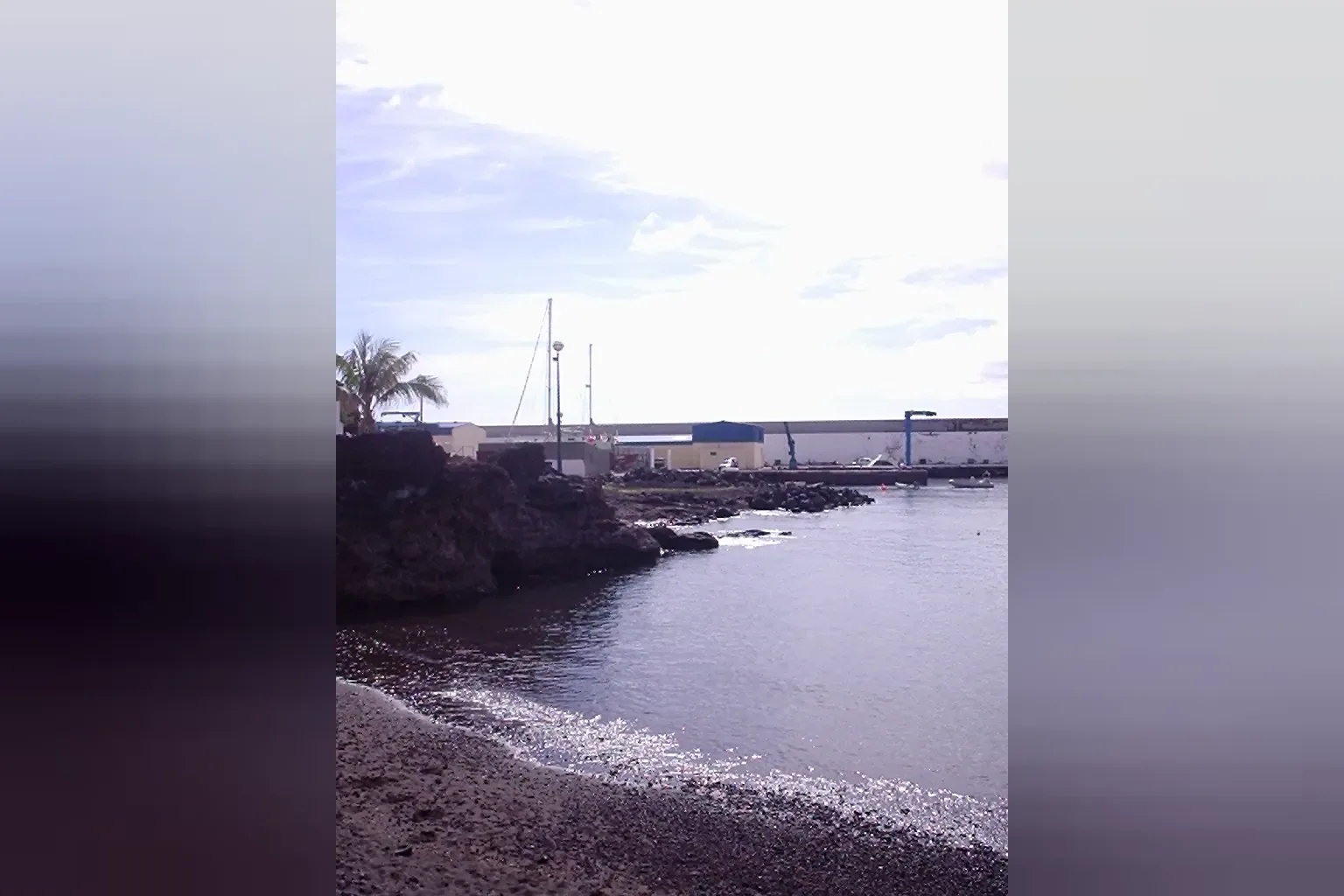
About 2,100 migrants reached El Hierro, the smallest of the Canary Islands, in 24 hours on Tuesday, a new record. Island authorities declared a state of emergency on 8 November. On 14 November, 1,488 migrants arrived in one day, which was the record until now.
Those who arrived on Tuesday include almost 200 women and more than 100 children. Among them are a pregnant woman and a two-month-old baby. Rescuers brought 14 boats to the port of La Restinga. One survivor is a four-day-old baby, born during the voyage from West Africa, which lasted several days.
On 14 November, rescuers pulled 1,488 people from the sea, most of them from Senegal, Gambia and Guinea, with 240 people aboard one of the boats.
The island is about 30 km long and 14 km wide, and about 12,000 people live there. This month alone, 12,000 people reached El Hierro in more than 100 wooden fishing boats, many in very poor condition. In less than a month, the number of new arrivals has passed the number of locals.
Fernando Clavijo, president of the Canary Islands, called Tuesday "unfortunately a historic day". He said: "We have never seen such an intensity of arrivals." He said the constant arrivals "put huge pressure on the health services and the health system of the Canary Islands". Clavijo accused Madrid of promising money to affected families and businesses, sea rescuers and medics, but giving nothing so far. He said the government is breaking its agreements, and this angers residents.
Clavijo said African countries, especially Gambia and Senegal, do not co-operate, and that the steady arrivals show weak control of borders and departures. He called ridiculous the deal that Austria, Denmark, Germany, Greece and the Netherlands recently agreed to send migrants to Rwanda. He said Europe is going the wrong way.
The government in Madrid rejected the accusations as unfounded. It says that of the 17,000 people who reached the island this year, only 2,000 are still there, and most have gone to mainland Spain. Prime minister Pedro Sánchez, a Socialist who has governed since 2018, announced a "regularisation" programme this year for migrants without papers. They will be able to work in Spain, and applications have already reached 1.7m. About a week ago, on a campaign tour of the Canaries, he again backed the migrants and praised the people of El Hierro for their solidarity and humanity.
Parliamentary elections are about a week away. Sánchez's main rival, Alberto Núñez Feijóo, leader of the conservative People's Party, who leads in the polls, visited La Restinga the day before the prime minister. He called the arrivals an invasion and said all of Spain has seen what happened on the island. Feijóo promises to change the law so that all illegal migrants are sent back to their home countries. He claims that 400,000 people have reached Spain by this deadly route since Sánchez took power. The People's Party wants to topple the Socialists, but will probably have to govern with the far-right Vox, whose campaign calls for expelling migrants.
Right-wing parties point to El Hierro as proof that the government does not control the borders. Migration is the second most important issue for Spanish voters after the housing crisis, which has set off a wave of protests. Four months ago, about 70,000 people crossed the border into Spain's enclave of Ceuta in large numbers.
The Atlantic route from Africa to the Canaries is one of the most dangerous into Europe. People spend up to seven days in the open ocean, and the trip sometimes takes up to 12 days. New data show that one in five migrants dies on it, and 600 people have died this year trying to reach the Canaries. The survivors come from Gambia, Senegal, Guinea, Guinea-Bissau, Burkina Faso, Mauritania, Mali and Yemen.


Comments (0)
No comments yet.