
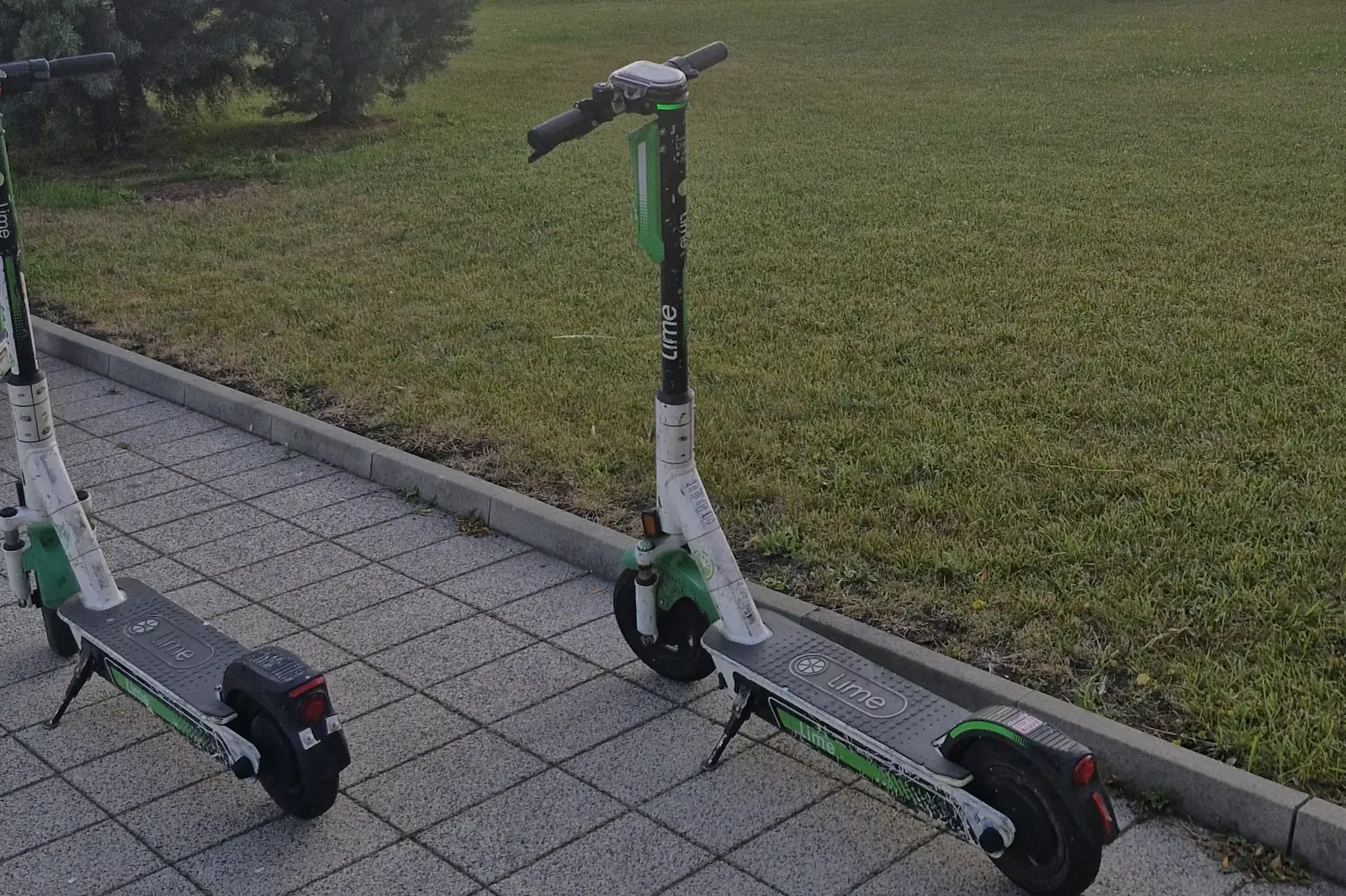
The interior ministry is close to buying devices that will let police check e-scooter speeds on the spot, deputy interior minister Kaloyan Kaloyanov said. The issue also came up at the latest meeting of parliament's transport committee.
The law has long capped e-scooters at 25 km/h, but checking this on the road has been hard so far. The interior ministry says current equipment cannot measure e-scooter speeds effectively enough.
From the start of 2026 to the end of August, police logged 445 e-scooter accidents, in which 7 people died and 364 were hurt. These included solo falls as well as crashes with cars and pedestrians.
The number of violations is rising fast. In the same months of 2025, police recorded 6,500 violations; this year the figure has already hit 25,000. Kaloyanov said police teams are roughly the same in size and setup, and the jump is down to more e-scooters on the streets. He added that owners and riders are widely unlocking the software and removing the factory speed cap.
Tencho Tenev, former head of the Sofia traffic police, says this effectively means bringing back handheld radar guns. He explained that these fell out of use and were replaced by fixed "tripod" cameras, which cannot catch moving e-scooters, while a handheld radar picks up anything that moves. Tenev called the purchase necessary, saying anyone can see with the naked eye that e-scooters now travel at speeds close to, or above, those of cars.
The fine for going over 25 km/h is 200 levs under article 183a, paragraph 3 of the law — just over 102 euros. MPs from Democratic Bulgaria proposed a separate 250-euro fine for e-scooters with modified software or design that lets them exceed the limit, but the transport committee did not back the text at first reading, so that fine does not exist.
Parliament is also working on another proposal that would fine riders of e-scooters, bicycles and other non-motorised vehicles 100 euros if they refuse an alcohol or drug test. It aims to cover routine checks where no accident has happened.
Police most often catch riders without helmets, riders talking on their phones, children under 16 riding, a second person on board, and riders entering pedestrian zones.
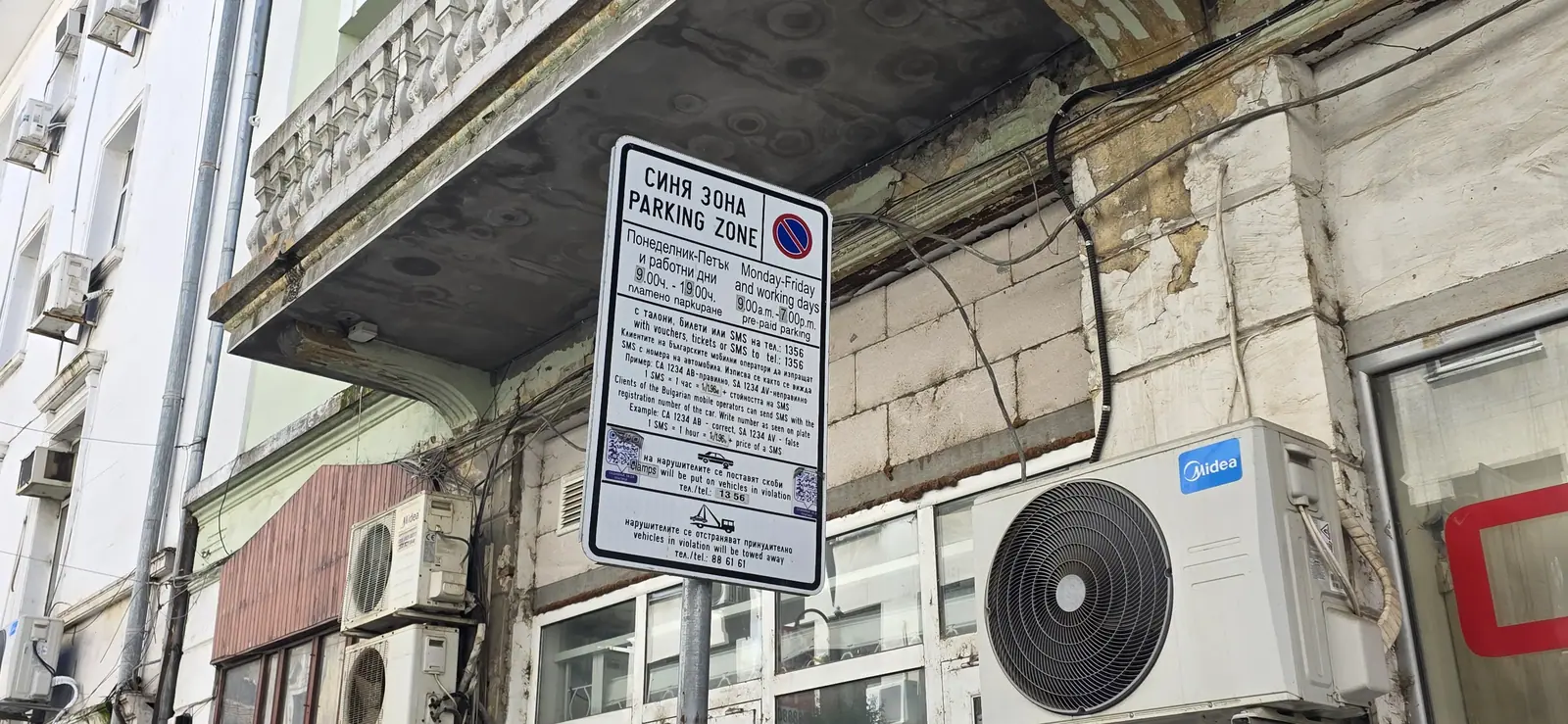
The transport committee also backed, at first reading, the so-called digital wheel clamp, put forward by Bozhidar Bozhanov and Chilo Popov. Instead of physically blocking the car, the owner would be barred from using paid parking zones until they pay what they owe. The regional policy committee rejected the text, so the process is not finished.
MPs also passed at first reading a proposal, put forward by a group of MPs led by Neli Andreeva, that would restrict trucks over 12 tonnes to the right-hand lane on motorways and expressways. The transport industry has warned that a full ban on trucks overtaking could cause long tailbacks. The law has not yet been finally passed.



Comments (0)
Все още няма коментари.