
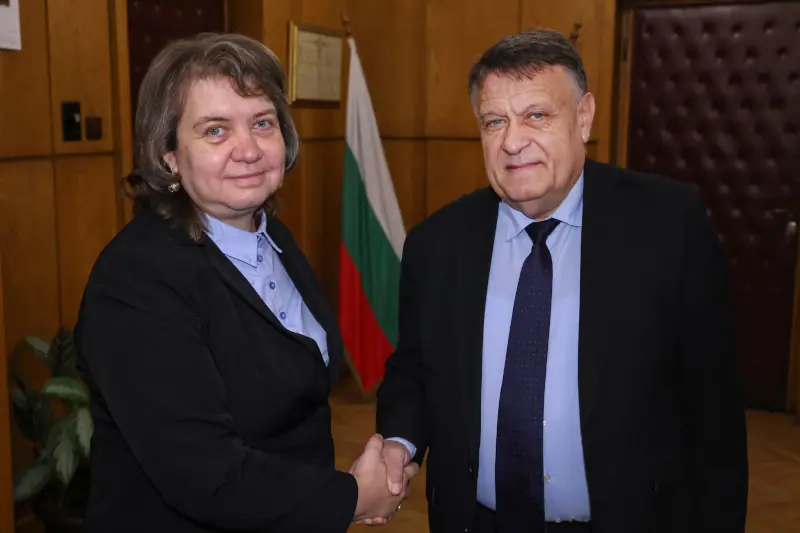
Bulgaria's education ministry is working on clearer textbooks, less overload with raw facts and clear rules for using artificial intelligence in class. The big reform of school curricula is set for 2029, but education minister professor Georgi Valchev wants to bring it forward to 2028. He said this in Varna, where he took part in an international conference on economics, business and management at the University of Economics.
He said the reform must strike a balance between traditional teaching and technology — one should not push out the other.
One thing the ministry wants to do quickly is give teachers practical guidance on how to use digital tools and AI in lessons. "Technology can't stay outside the view of Bulgarian schools. Very soon we'll offer models that let any teacher bring in both artificial intelligence and various digital tools without too much extra effort," Valchev said. Teacher training will also change, with the aim of using technology to help teaching fit each pupil's needs more easily.
The minister pointed to Finland, Sweden and Norway — countries that pushed hard into digital resources early on and are now moving back toward a better balance with paper materials. Going digital can't be undone, he said. But it should not push out solid knowledge. Easy access to information doesn't by itself mean a pupil can understand, connect and use it. So future changes need to focus more on thinking skills, on putting what's learned into practice, and on links between subjects, the minister explained.
The biggest change is coming in the curricula and textbooks themselves. Under the current schedule, the new model should start in 2029, but first it needs expert work, discussion and testing. "The way textbooks are written has to change — right now it's too hard for pupils, because concepts from university level are being pushed down into secondary school. We'll also make public the expert teams working on these changes, so the process isn't done behind closed doors," Valchev said firmly. He had already said earlier that he'll try to bring the deadline for the finished new curricula forward to 2028.
Bulgaria's teaching staff is getting younger — the latest figures show almost 18% of teachers, more than 17,000 people, are under 35. The minister links the growing interest in the profession to higher pay and support for education students. But there's still a big shortage of staff in maths, physics and the natural sciences.
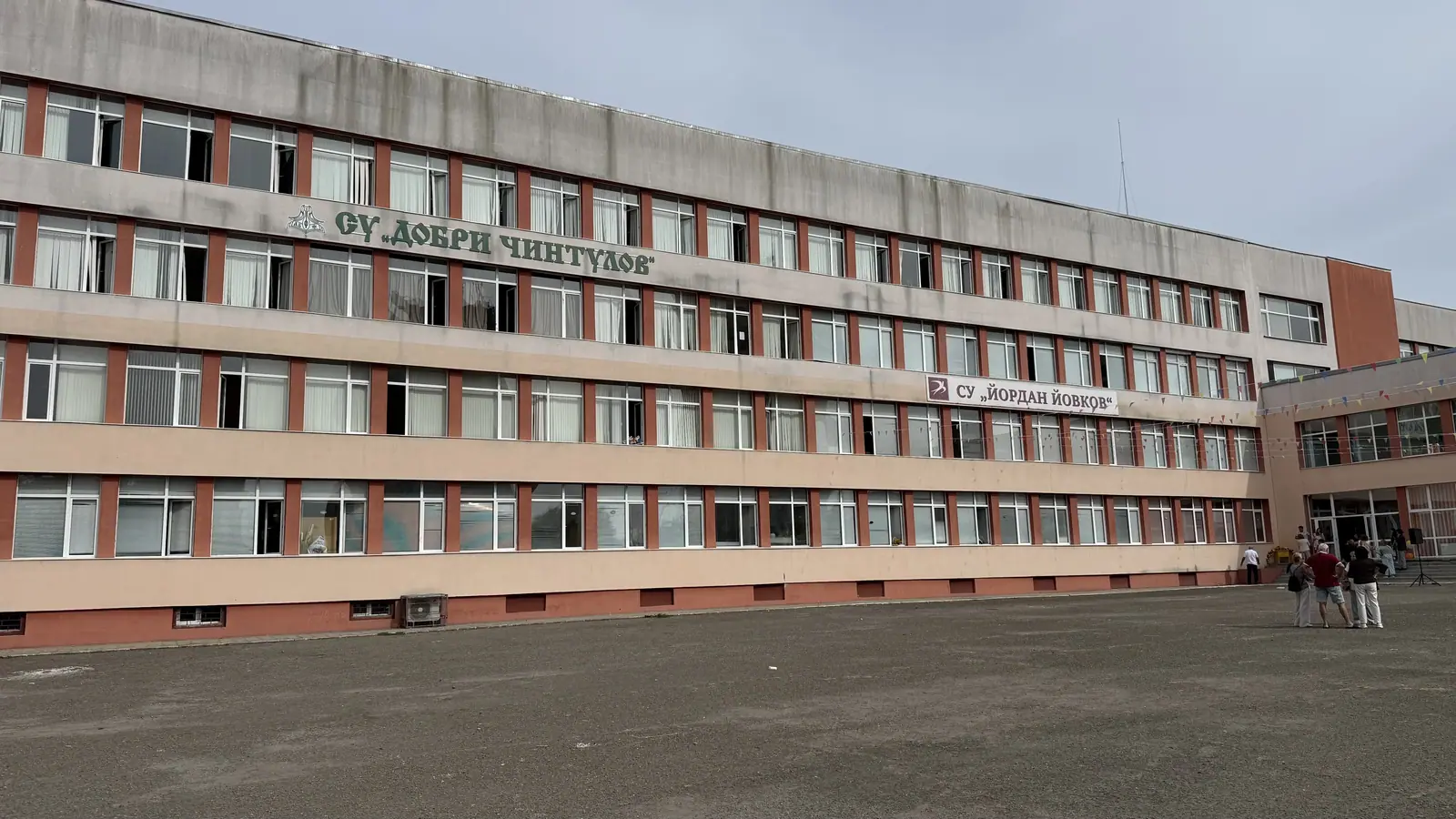
The ministry's other big goal is to phase out two-shift schooling. Valchev sees 2030 as a realistic deadline for every school in the country to move to a single shift. For that to happen, programmes to build, expand and repair school buildings need to keep going past 2027. The outcome depends on both the state and local councils. In big cities, the main obstacle is a lack of space.
The ministry also wants families to take a more active part in school life. Next year, ministry teams will travel to every region to meet teachers, head teachers and parent representatives. At the same time, the ministry is working with the interior, health and social affairs ministries on proposals covering discipline, pupil behaviour and parents' responsibilities. Valchev said such changes should be brought in step by step, with checks afterward on whether they're actually working.
Коментари (0)
Все още няма коментари.