
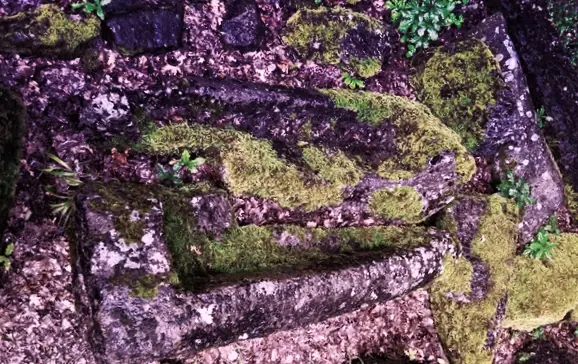
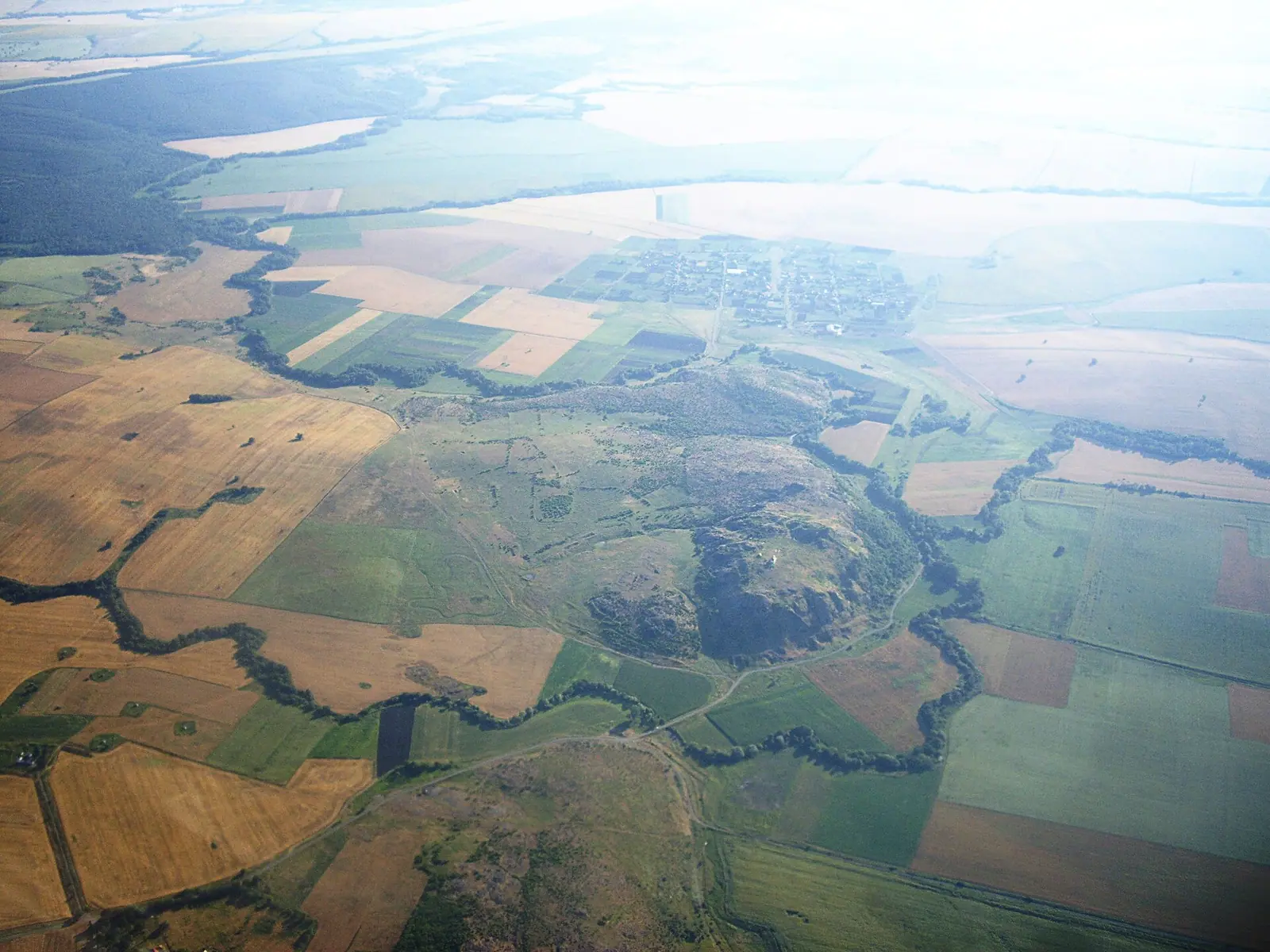
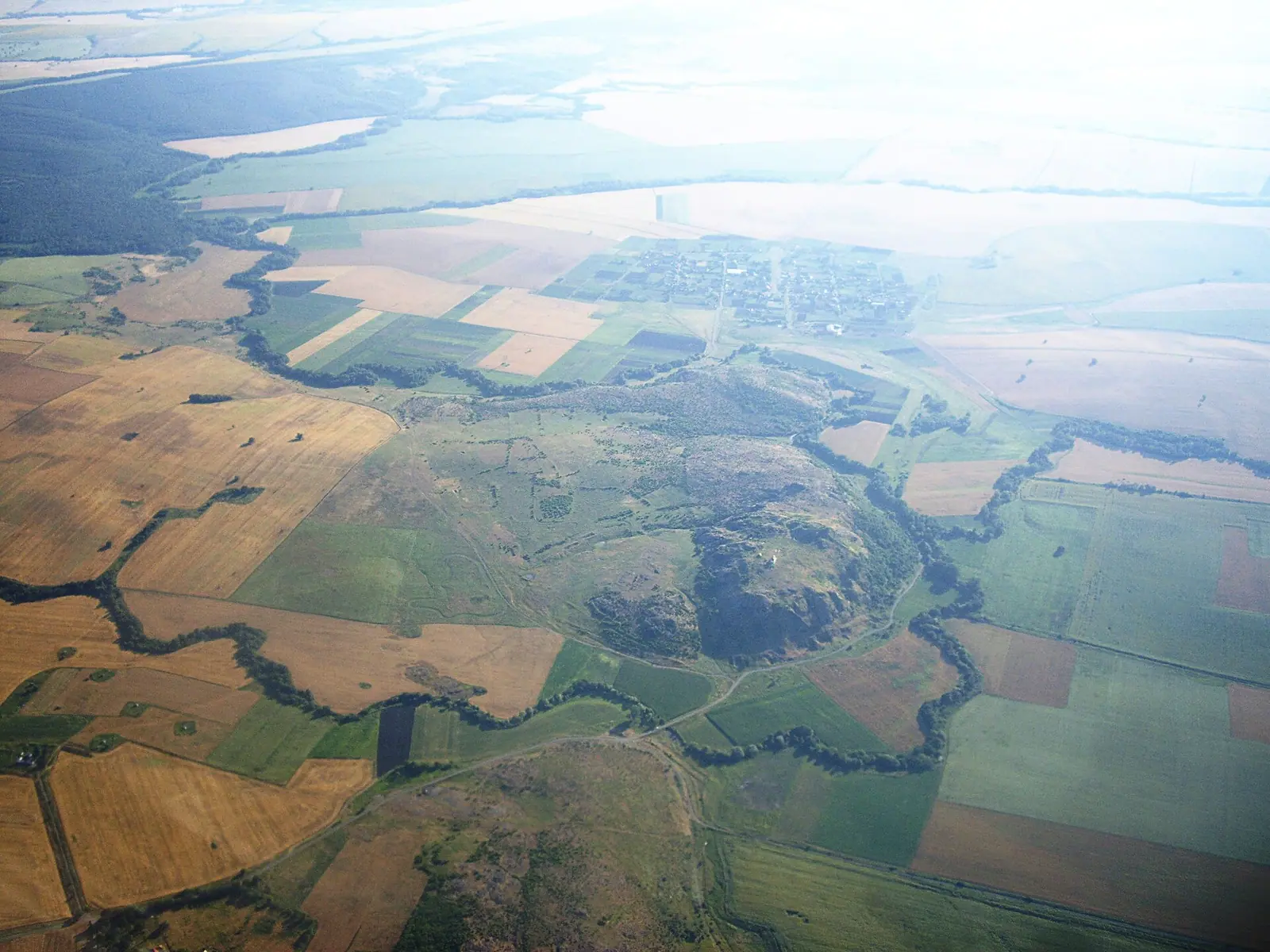
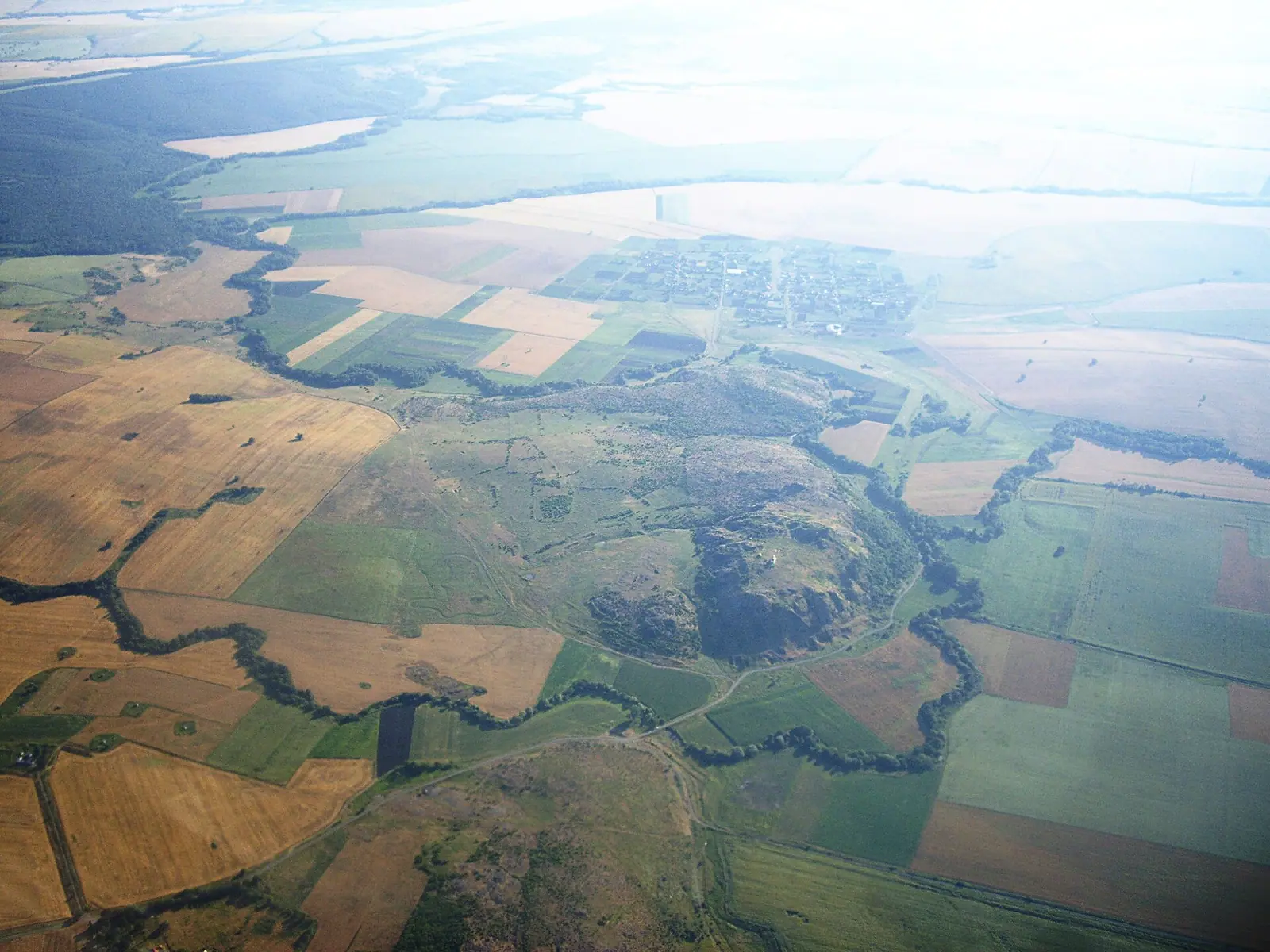
Three kilometres southwest of Malko Tarnovo, on the southeastern slope of Golyamoto Gradishte peak near the Turkish border, sits the Thracian cult site of Mishkova Niva. People used it for more than 2,000 years, and its carved stone blocks, set out in a circle, have earned it the nickname "Bulgaria's Stonehenge."
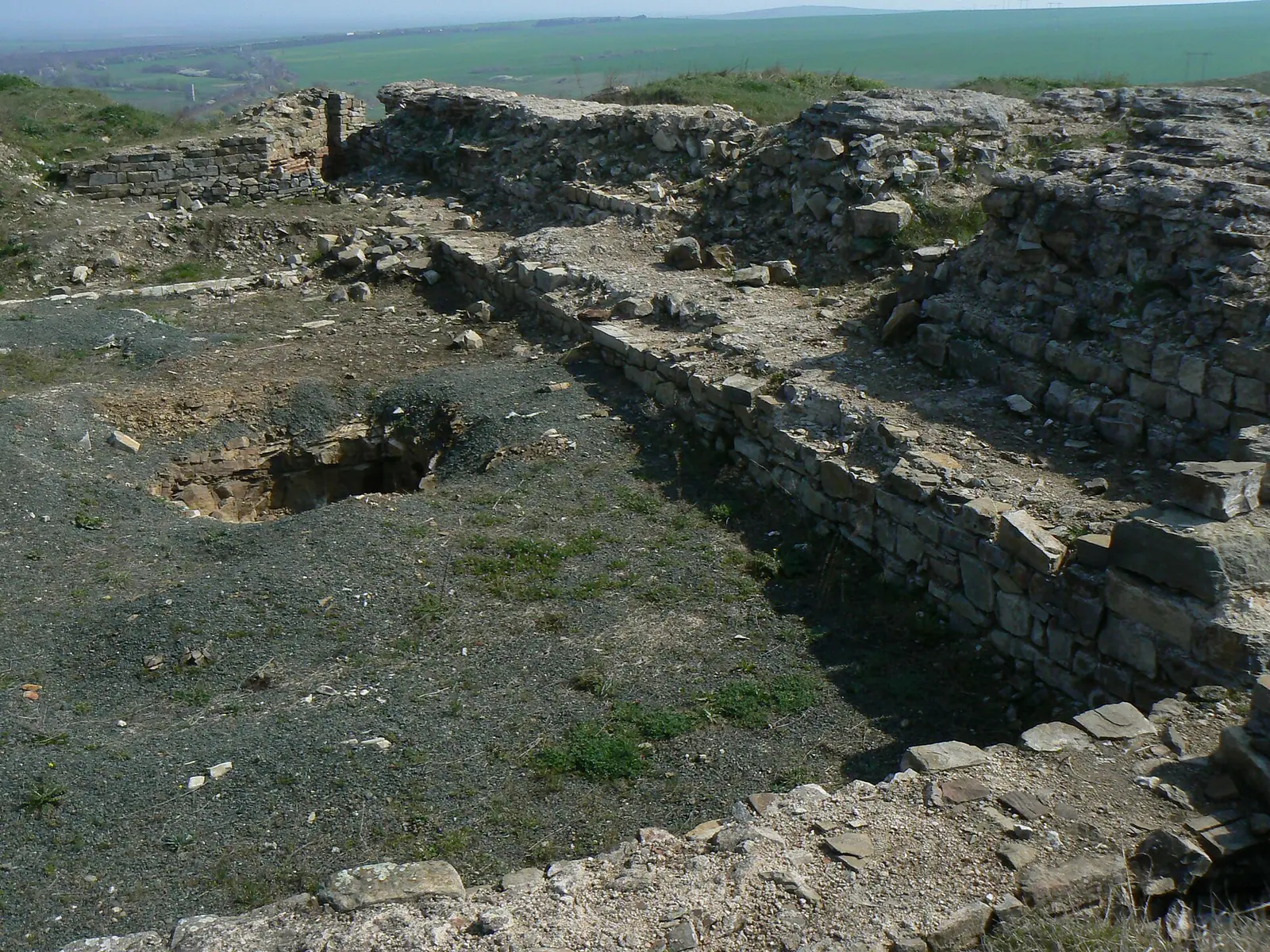
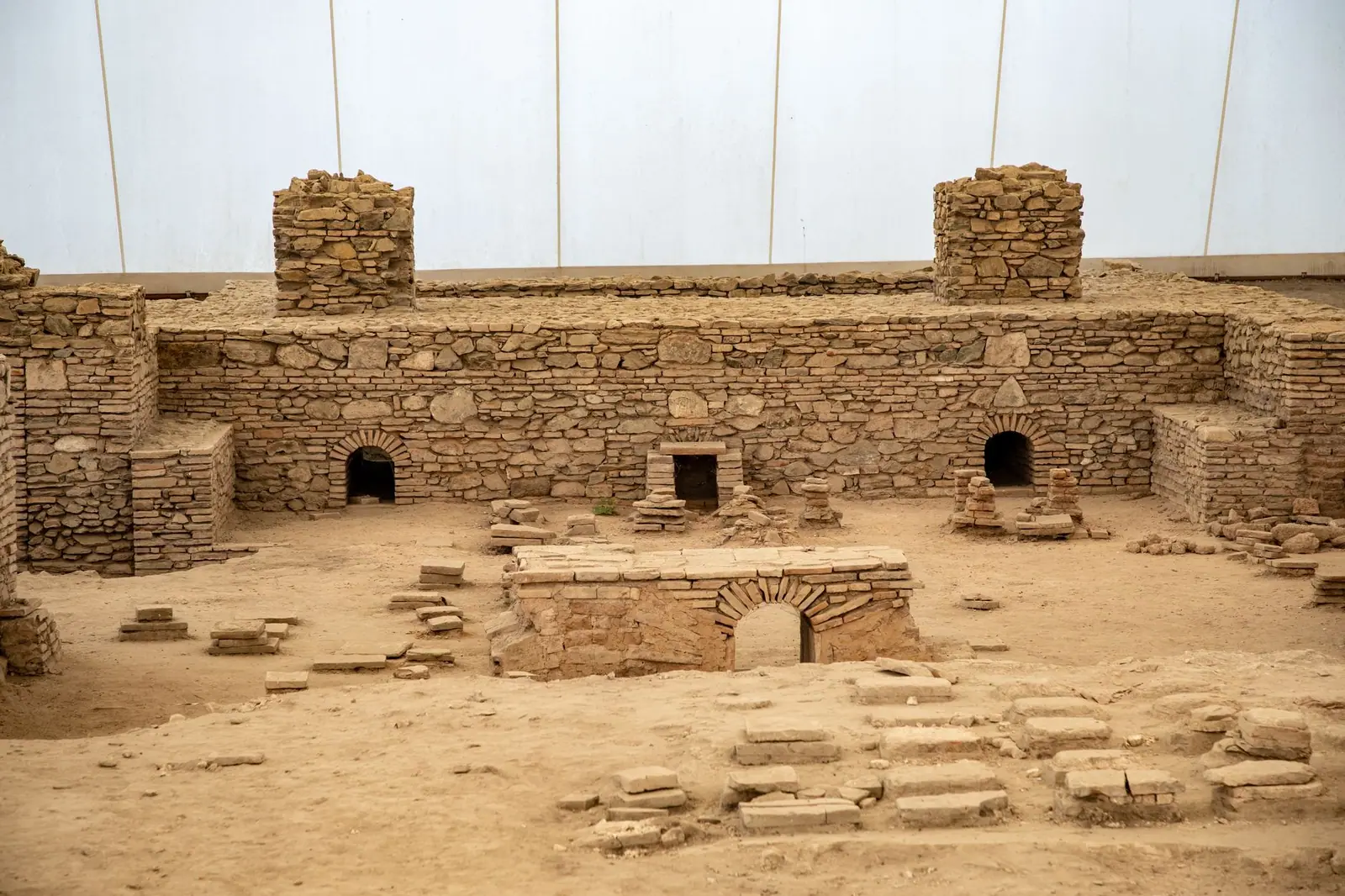
Strandzha Nature Park's official description lists a tomb-sanctuary, a fortified building classed as a villa rustica, a burial-mound necropolis, an old water system, an old mine and a fortress. The size of the blocks and the precision of their cutting show the builders had serious resources behind them.
The earliest phase dates back to the 5th-3rd centuries BC, when a dolmen and a round stone enclosure stood on the spot. Centuries later, in the 2nd-3rd centuries AD, builders turned it into a monumental sanctuary-mausoleum.
Archaeologists began digging here systematically in 1981, in teams linked to professor Alexander Fol and archaeologist Petar Delev. They believe the site honoured a deified ancestor, and also link the complex to the cult of Apollo. Other researchers date the monumental tomb to the later Roman period, and there is no single agreed view on how the site developed over time.
Claims that people used the stone circle to track events in the sky have never been backed up by archaeology. The legend of a tomb belonging to the Egyptian goddess Bastet mainly centres on an area near Golyamoto Gradishte peak, but over time people have folded it into the story of Mishkova Niva. No one has ever produced evidence of such a tomb. The stories swirling around the site include the 1981 dig, Bulgarian clairvoyant Vanga, secret excavations and a supposed tomb of a woman of unusual origin.
Locals say some animals steer clear of the centre of the stone circle, and visitors report strange sensations and equipment that stops working properly. None of this has any scientific backing, and neither do the tales of buried Thracian rulers, unknown rituals and ancient knowledge.
A forest road now leads to the site, winding through thick Strandzha woodland, past old mines and the ruins of a fortress. For years the area sat inside a tightly guarded border zone with limited access, so anyone planning a visit should check the current rules first.
Comments (1)
1981 година, бре! аз тогава още се уча в гимназията. да видим какво са открили всички ти