
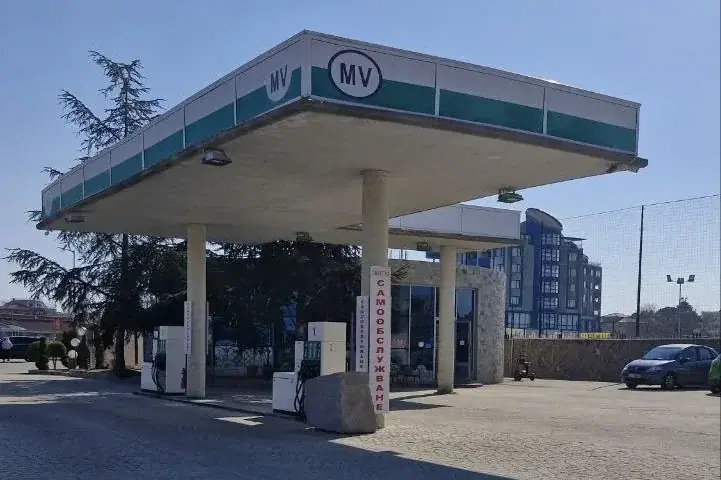
Bulgaria's Consumer Protection Commission (CPC) will announce the results of its fuel price checks next week, its head Maya Manolova has said. Retailers have cut their mark-ups on petrol and diesel, but the agency suspects some filling stations have raised prices on LPG.
The checks began after diesel hit the psychological mark of 2 euros a litre. Inspectors visited 200 filling stations, including big national chains and small independent operators, and reviewed prices from the start of August to September 23. The CPC only has power over retailers.
Manolova said the checks aim to find out whether the price rises are justified by costs or whether traders are using the crisis to make quick profits. The on-site checks are done, and the commission is now waiting for traders to send explanations and data — the law gives them 5 working days to do so.
Over that period, wholesale fuel prices rose by an average of 15%, while pump prices went up by 10%. Manolova said this shows filling stations have actually cut their mark-ups: the mark-up on diesel fell by about 40%, and on petrol by more than 30%.
For LPG, it was the other way round. The retail mark-up rose by about 20% on average — more than the rise in wholesale prices. Manolova said some traders may be making up for thin margins on petrol and diesel by charging more for LPG, though this still needs to be confirmed. She stressed the suspicions do not cover every station, only some of them.
The fine for an unjustified price hike is 10,000 euros, charged separately for each product. Manolova said the fines will be used carefully and are not meant to put small filling stations out of business, but customers must not be the ones who lose out. She said the CPC will not go after traders "with a club."
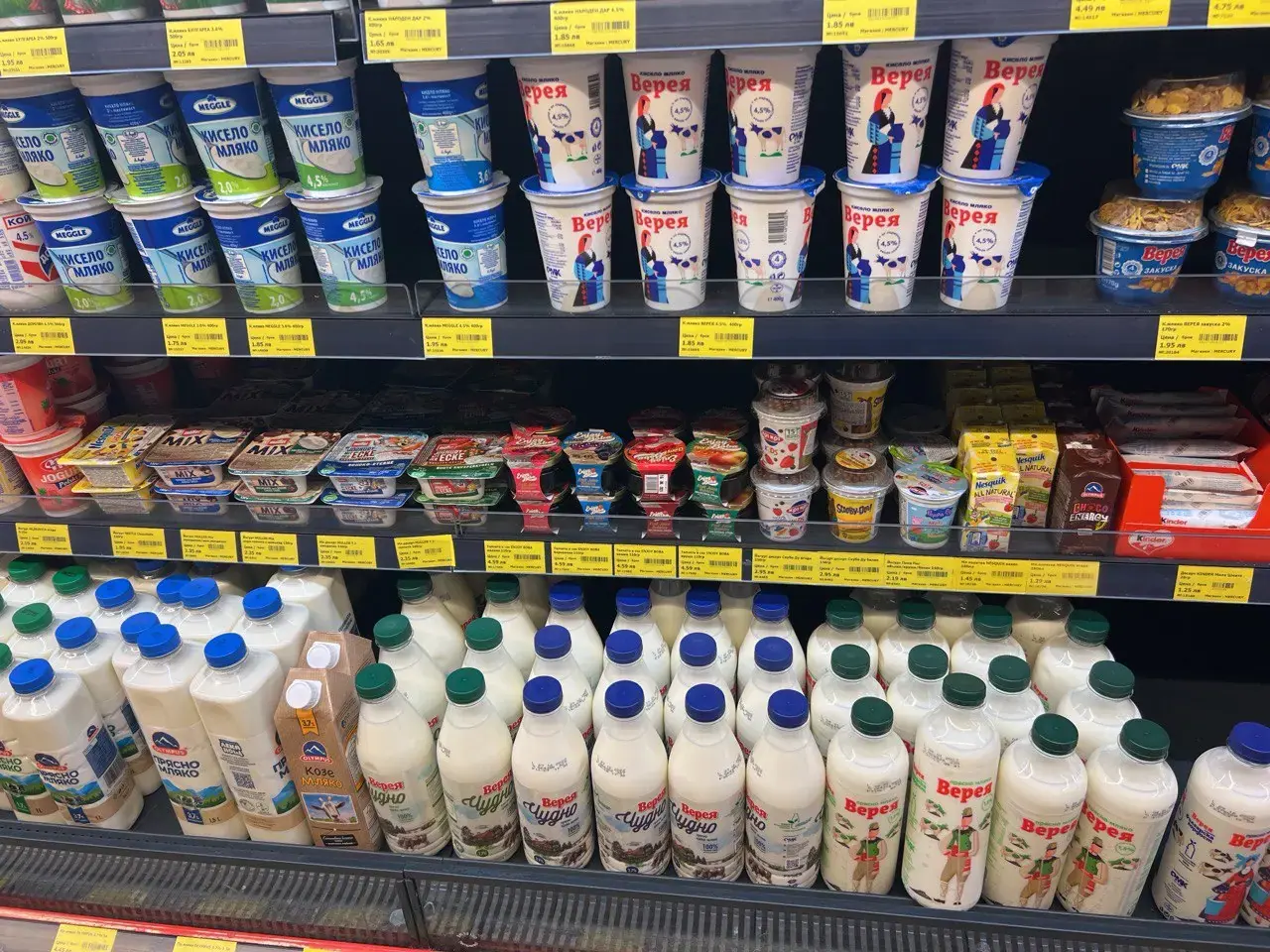
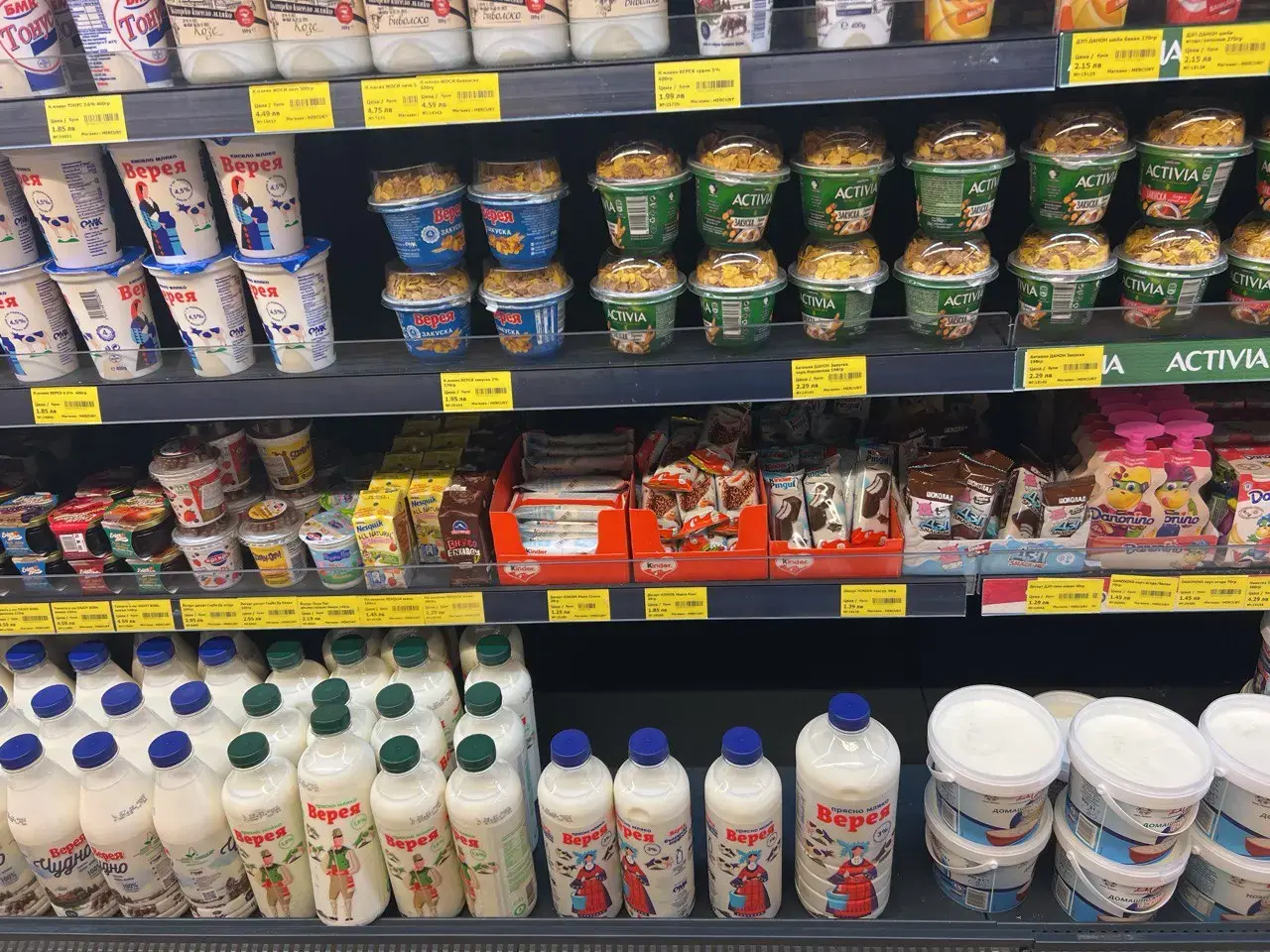
On Friday the commission also started checking food retail chains. Inspectors are looking for unjustified price rises, unfair or misleading practices, and the gap between what chains pay suppliers — especially for Bulgarian products — and what they charge at the till. Manolova said complaints have come from two sides: shoppers alarmed by supermarket prices, and Bulgarian producers who feel squeezed by the chains.
Based on what she has seen in her first two weeks as head of the commission, mark-ups at the chains run above 100%, and on some products reach 130–140%. She said there will be fines, and the checks will expose a skewed way of doing business in food retail. The CPC and the economy minister are also working on a way to set a "fair price" for basic foods, to show by how much chains are charging above that fair value.
Manolova said prices for fuel, food, services and mobile operators jumped sharply both before and after the euro changeover. She said fuel in Bulgaria is among the cheapest in Europe, but some basic foods cost well above the European average. Bulgarians can buy only 68% of what the average European can afford on their income, she added, and despite rising wages, the country still ranks near the bottom in the EU.
The commission's next target is the banking sector, over rising fees. Bulgaria's banks closed 2025 with a profit of 3.6 billion levs, according to central bank data. Banks collected 2.3 billion levs in fees and commissions, with net income from these fees reaching 1.8 billion levs. Manolova said customers get no answer as to why banks keep raising fees — customers foot the bill, and they need to be protected.
Comments (1)
Двеста бензиностанции… доста са! Интересно какви са били резултатите.