
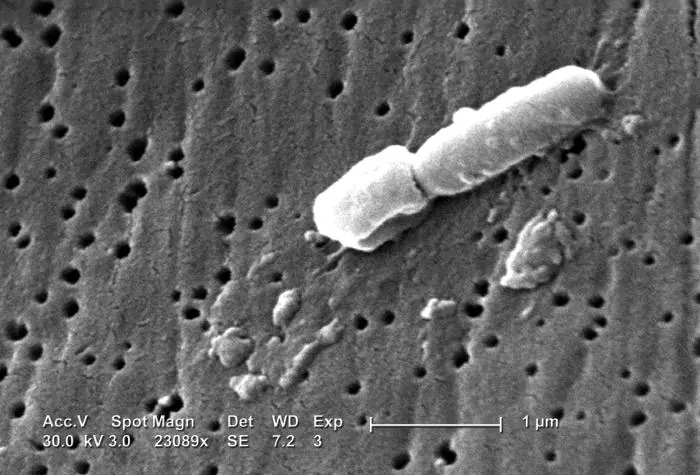
Bloodstream infections caused by drug-resistant Klebsiella pneumoniae in European hospitals rose 72% between 2019 and 2025. Some strains no longer respond to almost any antibiotic, including the newest ones, according to data from the European Centre for Disease Prevention and Control (ECDC).
The centre published its new reports on antimicrobial resistance ahead of the signing of the EU's new pharmaceutical legislation, planned for December. Antimicrobial resistance is the ability of bacteria and fungi to survive treatment meant to kill them. It causes about 35,000 deaths a year in the EU, Iceland and Norway.
Of all the data on superbugs in Europe gathered over the past year, the figures on Klebsiella are the most worrying, Cristian Ghiske, who coordinates ECDC's work on antimicrobial resistance, told a press conference. Lab tests show more and more strains are developing resistance to almost all antibiotics and causing severe illness. Between 40% and 70% of patients with Klebsiella infections usually die.
The bacterium is especially dangerous for people in hospital. The EU wants to cut these infections by 5% by 2030, but the trend from 2019 to 2025 is taking it further from that goal. Resistant strains of Escherichia coli rose by 16.4% over the same period, against a target of a 10% fall.
Bloodstream infections with methicillin-resistant Staphylococcus aureus (MRSA), which also spreads in hospitals, were 19% lower in 2025 than in 2019. The 2030 target is a 15% fall, so it has already been beaten. Klebsiella is much harder to clear from hospitals: even a tiny surface missed during disinfection can quickly spread outbreaks. "What works for MRSA may not be enough for Klebsiella," Ghiske said. He said Klebsiella is a gut bacterium and may have larger reservoirs in the body, so prevention and control rules must be followed even more strictly.
ECDC wants much tougher hygiene and control rules in healthcare facilities, because the bacterium passes easily from patient to patient. It calls for thorough hand disinfection, correct use of protective clothing and equipment, and full cleaning and disinfection of surfaces. Stopping resistant mutations also means cutting unneeded antibiotic use. But ECDC data show progress here is modest, and antibiotic use in the EU is falling only slowly.
"We are still behind on several of the EU's 2030 targets on fighting antimicrobial resistance," ECDC director Pamela Rendi-Wagner said in an official statement. She said genomic surveillance plays a positive role. With this technology, health authorities can track in real time how resistant bacteria spread, target treatment more effectively and find where new drugs are urgently needed.
Ghiske said antimicrobial resistance is a serious threat to public health in Europe, and one of the main problems is that few new drugs are coming. The EU's new pharmaceutical legislation offers incentives to develop new antibiotics: periods of market exclusivity for drug companies and predictable models for member states to buy the medicines.




Comments (0)
No comments yet.