
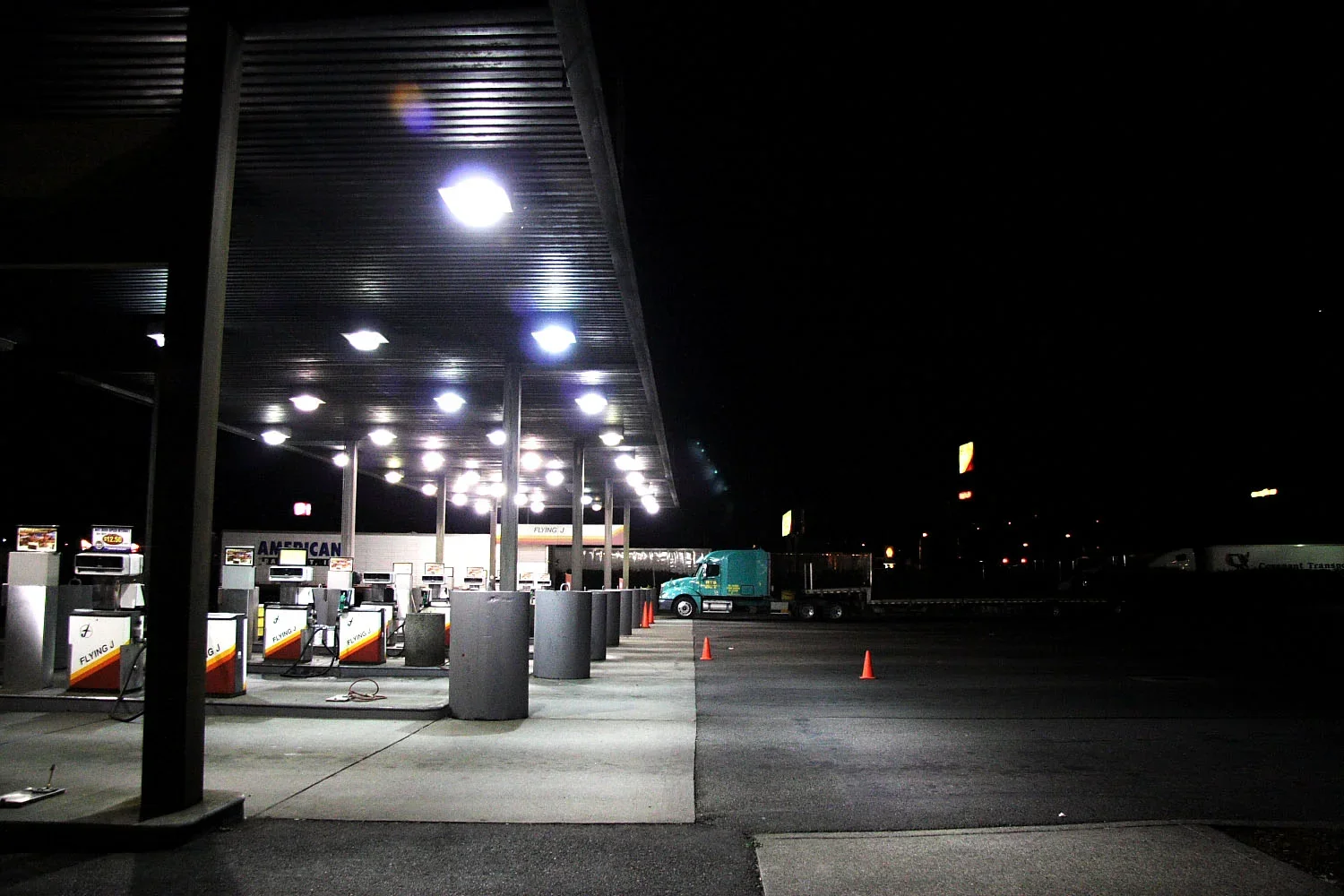
War and other geopolitical factors affect fuel supplies, leading to restrictions and concerns. Here's how to cope:
- Choosing containers:
- For home use - metal canisters or certified plastic containers meeting standards.
- PROHIBITED: Plastic water bottles (PET) - too thin, degrade from fuel.
- Gasoline shelf life:
- In a well-sealed container - up to 1 year.
- After opening: 6 months (20°C), 3 months (30°C).
- In a car's tank: about 1 month.
- Solution: Adding fresh fuel.
- Diesel storage:
- In closed containers - about 1 year, possibly longer under suitable conditions.
- Recommended: Using biocides for long-term storage.
- LPG (liquefied petroleum gas) storage:
- Most stable, no shelf life issues when stored in sealed containers.
- Ethanol and ethanol fuels:
- Similar shelf life to gasoline.
- Recommended: Adding fresh fuel.
- Gasoline E-95: 3-6 months.
- Safety during storage:
- Approved containers with safety mechanisms (valves, tight sealing).
- Color coding: Red (gasoline), yellow (diesel).
- Filling: Carefully, away from ignition sources.
- Container: Do not fill above 95%.
- Marking: Note the filling date.
- Attention: Static electricity.
- Location: Cool, dark, away from heat and living spaces.
Following these rules ensures safety and extends the life of the fuel.
Коментари (6)
Ахаха, сякаш ще си наливам гориво в мазето като в апокалипсис. Добре де, информацията е полезна, все пак - кой знае ко
ами... интересна тема, трябва да се признае. виждам мн коментари за апокалипсис и квото дойде, но аз гледам по-прагматично. да, в момента положението е доста турбулентно навън – вижте какво става с украйна и как това се отразява на целия свят, включително и на доставките ни на енергия. нека не си правим експерименти с мазетата, разбира се, но все пак да имаме някакъв резерв... не казвам да купуваме по 100 литра, ама едно-две канчета за спешни случаи никога не са излишни. 👍
Хм... полезна статия, наистина. За всеки случай е добре да се знае. Не че очаквам нещо
Абе, сериозно ли? Да си съхраняваме гориво у дома? 🤨 Сега ли ни хрумна това? някой да има канче прашно, което да го
Ама т'ва е яко, че дават инфо. Все едно нещо ще се