
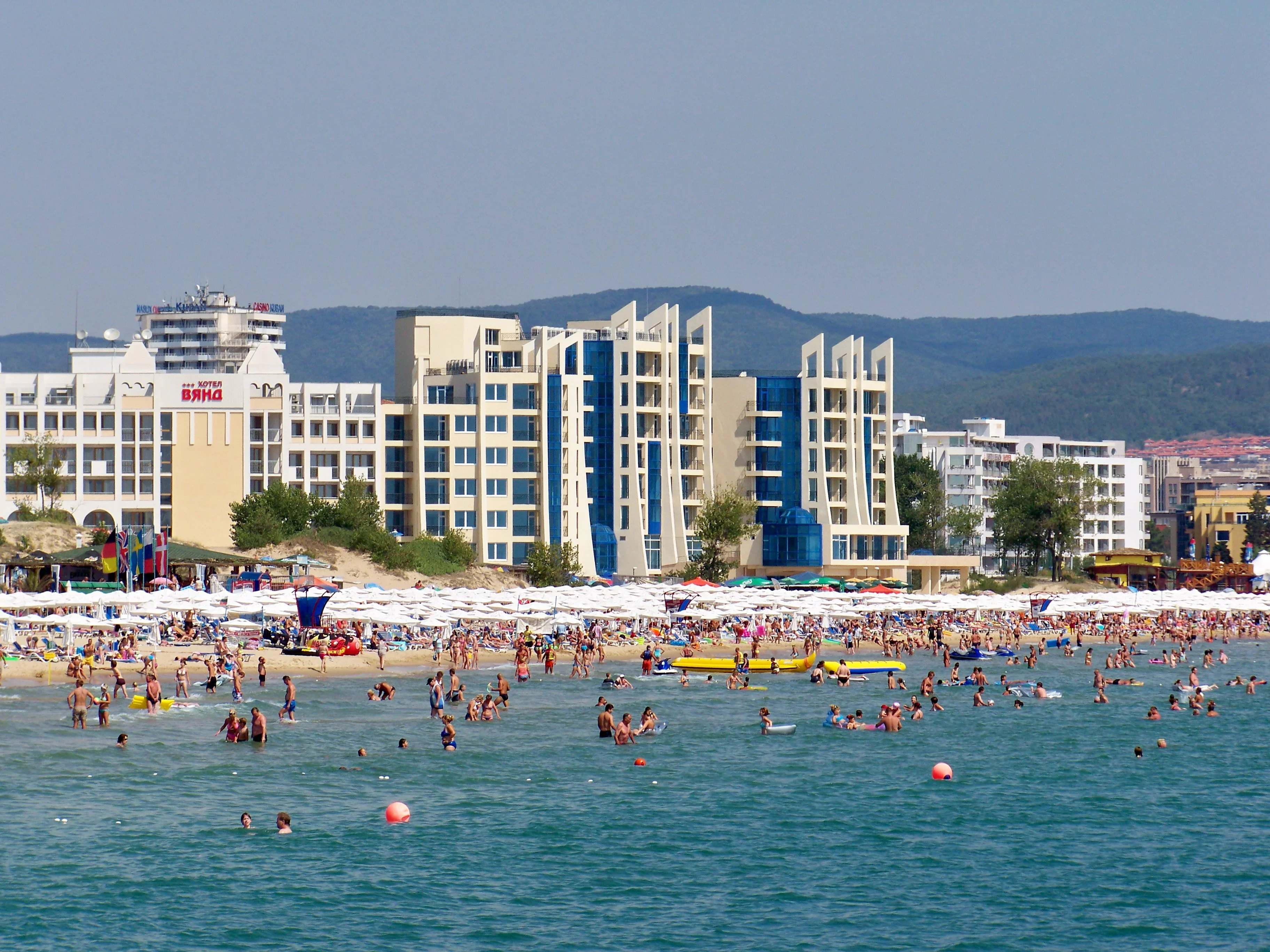
The change from the lev to the euro for the tourist season on the Black Sea coast is a fact. This year we will pay for our vacations in the European currency, which causes both expectations and uncertainty in the tourism industry. What does this mean for prices, for consumers and for the future of summer tourism on the Bulgarian coast? Let's see.
Early bookings and uncertainty
In January, travel agencies offered so-called early bookings, which guaranteed discounts of up to 30%. Now, in February, there are still discounts, but they are more modest. The news announced by Nova is that a price increase is not expected. But is this entirely the case?
In Pomorie, at the beginning of February, there are still no tourists. But the preparation for the first summer season with the euro has already begun. Evelina Puleva, owner of a tour operator company, shares that there is some hesitation among people who are still getting used to the new currency. "People are confused, they are not used to it - I notice this from the phone conversations that my colleagues are having," she says.
The market for summer vacations: Players and rules
Delyana Tsoneva, a hotelier, notes that early bookings are going moderately, similar to last year, with a greater interest from the Bulgarian market. This may be due to concerns about the introduction of the euro. At this stage, at least with her, there is no price increase.
The entire industry promises that there will be no drastic price increase, but with one important caveat: everything depends on service and product providers. If the cost of the packages increases, prices may also increase, but this is not expected for now, especially in the tourism sector, shares Delyana Tsoneva.
Inflation and international influences
Some analyzes, however, show that there is still a slight increase in prices. Hristina Slavova, a member of the Board of Directors of the Burgas Regional Tourist Chamber, points out an increase in prices between 5-15% compared to inflation in Bulgaria. She notes that the tourist product is dependent on the increase in prices of a number of goods and services.
Indications of change are also coming from abroad. Evelina Puleva shares that Spain has already announced a price increase. This could lead to a rise in our country as well, after the early bookings are over, but she hopes it will not be drastic.
The euro as a tool for market transparency?
According to industry representatives, the introduction of the euro will make the market more transparent. Consumers will be able to compare prices more easily, both Bulgarians and foreign tourists. If prices are not attractive, consumers may withdraw, which would force traders to regulate prices, explains Hristina Slavova.
But is this enough? Will market transparency really lead to fairer prices? Or will the new currency hide new, unforeseen challenges? Only time will tell.
Comments (15)
Абе, хора, 2026 ли?! Наистина ли? Сериозно, нали не ни правят майтап? 🤣 Аз лично се чудя: наистина ли чак толкова трябва да чакаме за една промяна, която уж е към по-добро?
Абе, хора, май нема край с тия срокове! 2026... чак ми стана смешно. Ама к'во да се прави, важното е да е за добро, нали? Еврото в туризма звучи добре – все пак ще е по-лесно за чужденците и може би ще има повече туристи. Дано само да 👏
Евала за новината! 2026... хм, време има де, ама по-добре да се подготвим сега, че после пак ще ревем. Ама верно, еврото на морето - яко нещо. За чужденците е супер, разбирам ги, кой иска да смята валути на плажа? Надявам се наистина да докара повече туристи от Европа – те обират и така местата, ама пък харчат повече.
Абе, пичове... четох новината и се замислих. 2026… доста време е, ама пък и лети. Важно е да видим как ще се отрази на местния бизнес, а? Не само за туристите мисля. Малките търговци, барманите, сервитьорите... те какво ще правят? Ще се наложи
абе, деба! 2026... все едно сме на луната! но сериозно, да видим как ще го измислят тоя преход. нашите търговци