
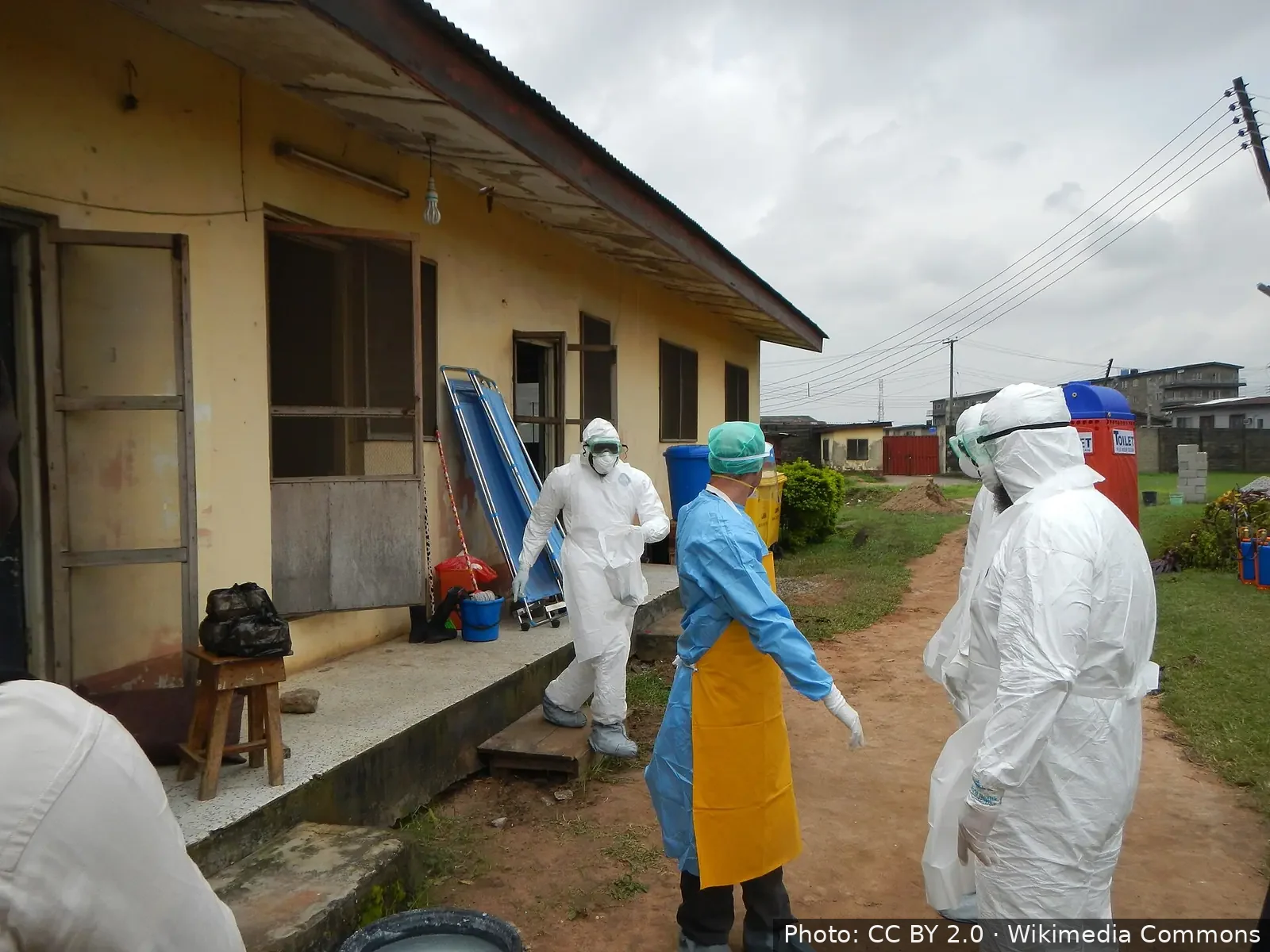
The Ebola outbreak in the Democratic Republic of Congo has passed 11,700 confirmed cases and 5,700 deaths as of 19 November. It is the biggest and deadliest outbreak in the country's history and the second deadliest in the world. The overall death rate was 48.9% as of last weekend, according to CIDRAP at the University of Minnesota.
The Bundibugyo strain driving the outbreak is a rare form of the virus. There is no approved vaccine and no targeted antiviral drug for it, though trials are under way. The virus has also spread beyond DR Congo. The European Centre for Disease Prevention and Control (ECDC) said several people have been infected with Ebola.
Symptoms of this strain differ from the usual ones and are not quickly recognised as Ebola. In the early stage, doctors often mistake them for tropical diseases such as malaria. The US Centers for Disease Control and Prevention (CDC) believe the spread began in mid or late February. The World Health Organization officially declared the outbreak and an emergency in mid-May, two to three months after it began. About six months have passed since then.
The outbreak passed 10,000 cases in 163 days. That is 51 days faster than the 2014–2016 outbreak in West Africa, the deadliest on record.
Katie Thomas-Canfield, Ebola response director at the International Rescue Committee (IRC), who works in Bunia, says several factors came together at once. She calls it a "perfect storm", made worse by the conditions of the moment. She and other experts name three problems that must change urgently. First, the disease was found late, so contacts of the first patients could not be traced and the outbreak took hold. Second, the strain, together with people moving often because of regional conflicts and fast-growing cities, means health workers are "chasing a moving target": when they bring one cluster under control, another flares up. Third, local people distrust health workers, a long-running problem in DR Congo.
In the summer, medical teams and safe burial teams were attacked, and more incidents followed in the autumn. The UN says there were 260 attacks on health workers in the first six months. Disinformation is also spreading. More people are dying at home, and residents are unhappy about the uneven spread of aid.
Experts link the gap in tracking the disease to global cuts in humanitarian aid in 2025. Many countries have since raised funding, but in the first months there were not enough health workers on the ground. There are no signs the outbreak is slowing.



Comments (0)
No comments yet.