
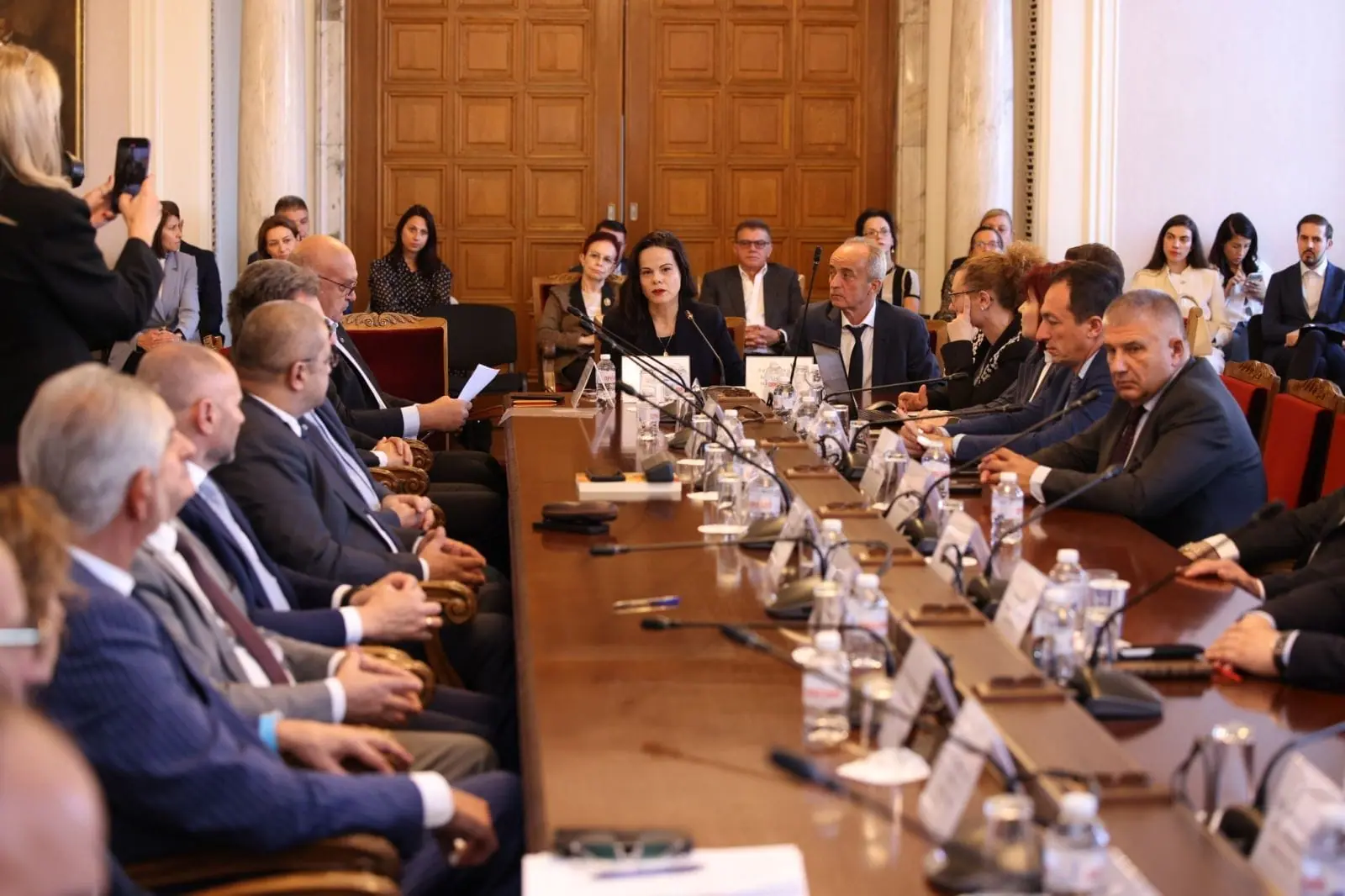
Fighting obesity is a shared task for institutions, local councils and civic groups, and it needs continuity between parliament and the government, parliament speaker Mihaela Dotsova said. She said Bulgaria ranks among the worst countries for obesity in children and adults.
Dotsova spoke at a round table called "Effective policies for preventing and managing obesity", organised by the Coalition Against Obesity "Health Under Pressure". It was held at an extraordinary meeting of parliament's health committee. She said people directly affected by the disease should be heard first.
Dotsova called obesity a serious chronic disease with a big social and economic cost. It leads to heart disease, diabetes and other illnesses, she said. She said prevention matters most, and the severe effects of the disease mean the topic must be discussed.
"Today's forum shows that some topics have no party colour, and obesity is one of them," Dotsova said. She added: "I am glad that we again have a chance to show cross-party consensus."
The cabinet has already adopted the National Programme for the Prevention of Chronic Non-Communicable Diseases 2026-2030, Dotsova noted. It includes measures against heart disease, cancer, diabetes and chronic lung disease, and contains specific solutions.
Updated (08.10, 18:32): Between 2.9m and 3.4m Bulgarians are obese or overweight, said Arkadi Sharkov, a board member of the Coalition Against Obesity. He said illnesses linked to obesity were blamed for 12,900 deaths in 2025, and one in five of those who died was under 65. Treating obesity costs the Health Ministry, the National Health Insurance Fund (NHIF) and the National Social Security Institute 767m euros (0.66% of GDP), of which 231m euros is paid by the NHIF. The loss of well-being is put at 6.4bn euros, BTA reported.
Comments (7)
Ох, 36% от децата ли! Това наистина ме шокира. Не съм очаквала цифрите да са чак такива – трябва нещо да се направи спешно. Дано не стане като с корупцията, където говорим и говорим, ама нищо не се случва на практика. Важно е институциите и гражданските организации да работят заедно наистина, а не само да си пишат доклади. Какво ли ще предложат конкретно?
36 процента... ама сериозно, какво ядеха децата ни бе?! трябва да вкараме европейски програми за здравословно хранене и спорт – така
36%... откъде накъде такава цифра изобщо? И как я позволяваме
Михаела Доцова... Интересно кога за пръв път са я измерили така децата, че да стигнат до 36 процента. Дано успеят с нещо да помог
36 процента... наистина ли това е вярно? Къде са данните от предишни години, за да видим тенденцията? И ако има такъв скок, какво точно се промени в храненето на децата ни за толкова кратко време? Надявам се поне да не е свързано с някакви руски влияния върху хранителните навици... просто ме човърка този въпрос.
михаела доцова ли? дано имат някакви реални планове 😡
36 процента, сериозно ли?! Толкова ли сме зле наистина!?