
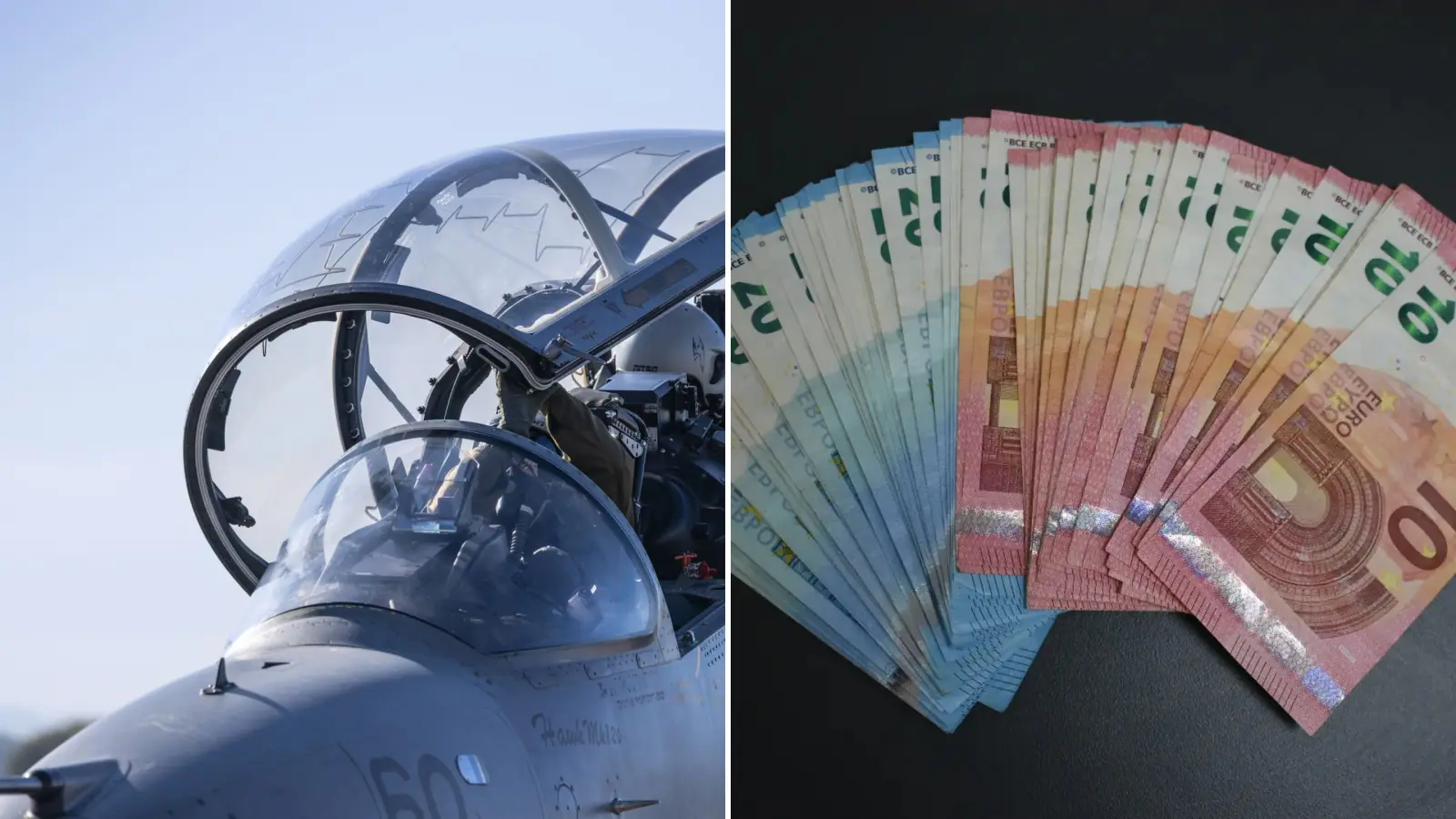
Bulgaria plans to spend €3.151bn on defence in 2027, or 2.23% of GDP. Defence minister Dimitar Stoyanov presented the draft budget at a press conference and said the sum is 17% more than in 2026.
Capital spending grows fastest, from €868m this year to more than €1.223bn next year. It will make up 40.83% of the ministry's budget.
"This is a budget for faster modernisation. Nato requires capital spending of more than 20% of the budget, and we are above 40%," Stoyanov said.
Pay for military personnel stays the same. The ministry gets €4m because of the higher minimum wage. Another €27.5m from the central budget is set aside only to recruit new service members, because the army is short of staff. This year the ministry cut more than 400 administrative staff, and the money saved goes to posts in military units.
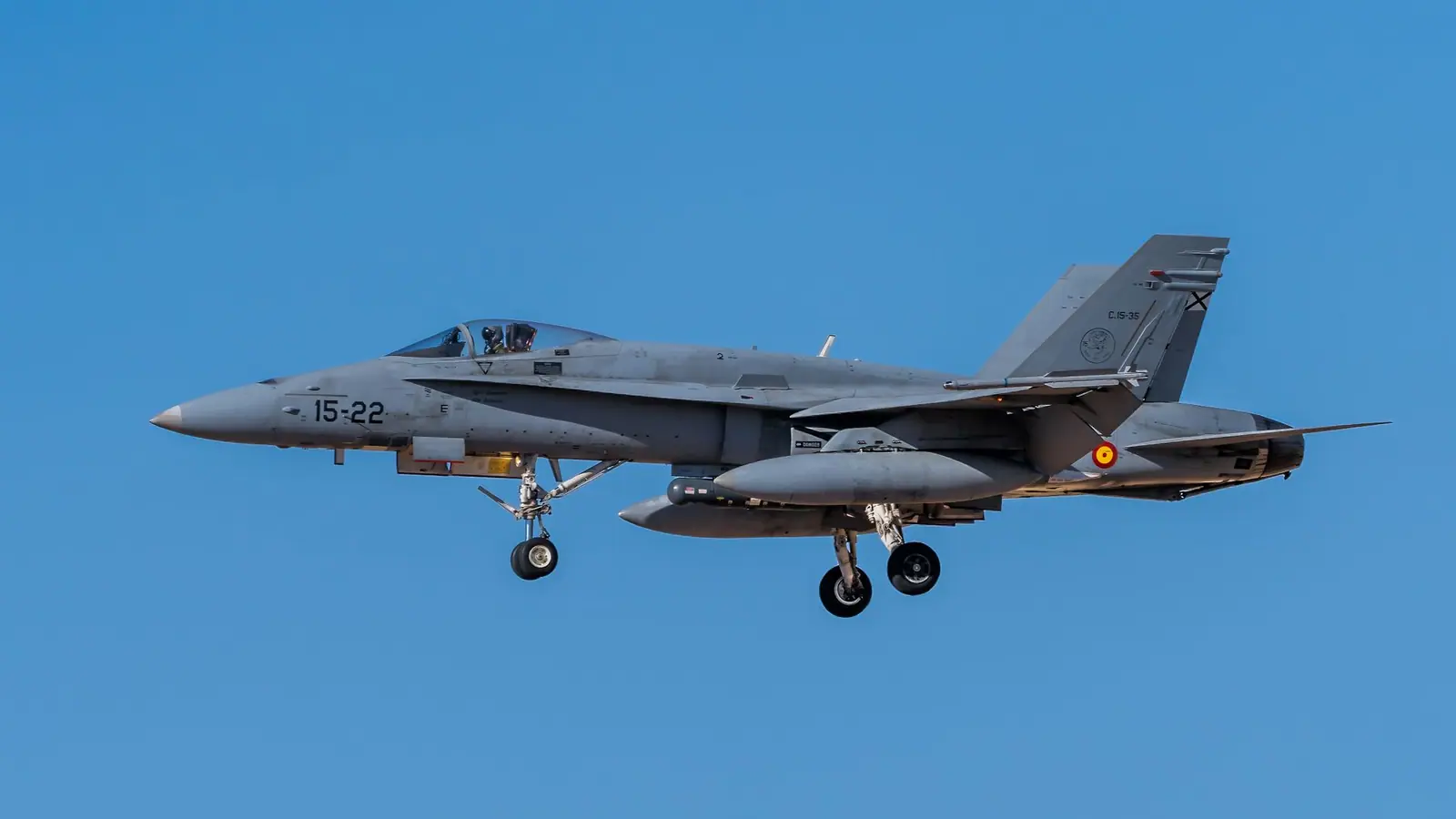
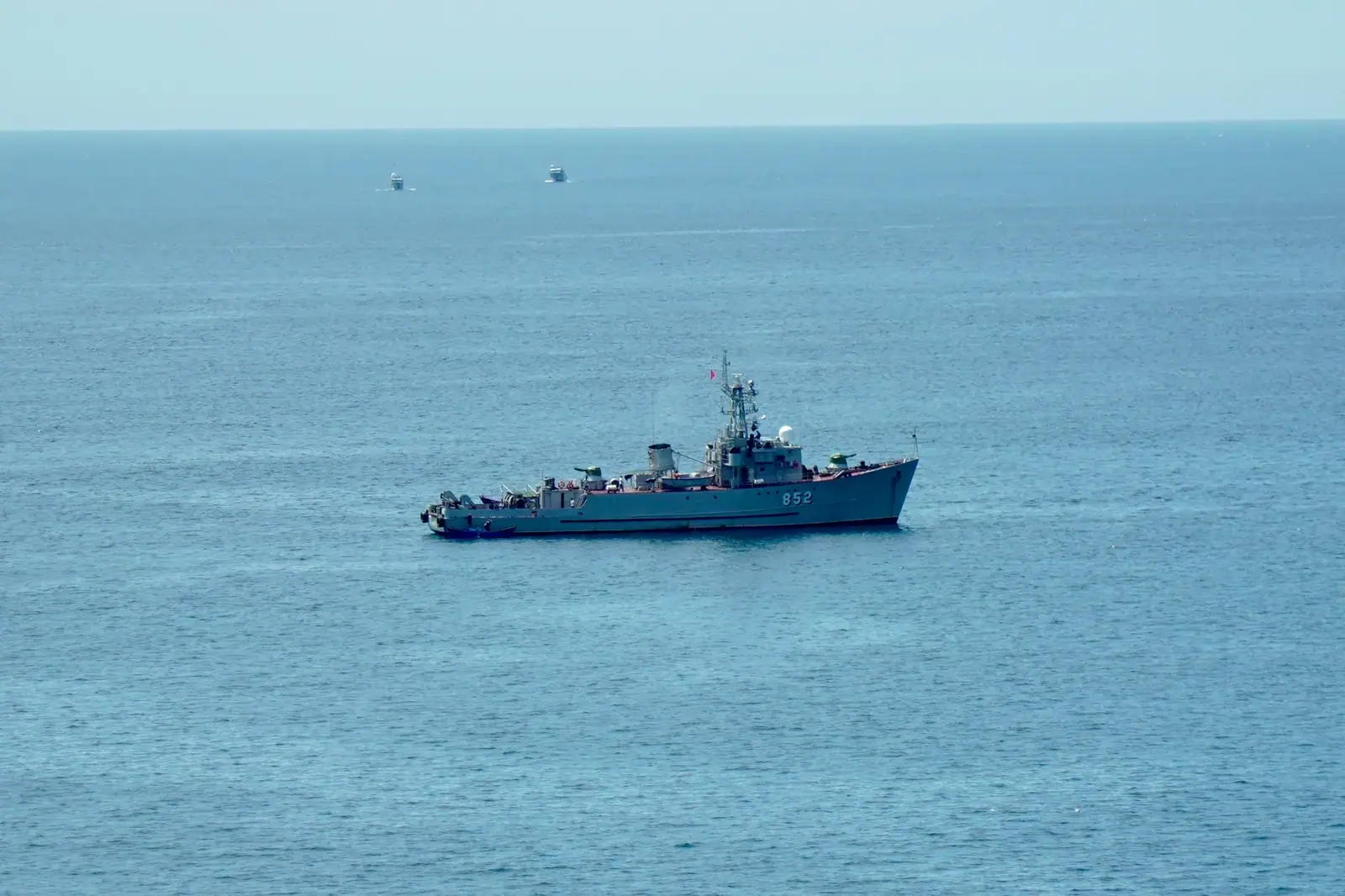
Projects under contracts already signed will go on: F-16 Block 70 fighter jets, Stryker armoured vehicles, multi-purpose modular patrol vessels, coastal anti-ship missile systems, and upkeep of Cougar and Panther helicopters. Nine projects are covered by the EU's SAFE loan scheme.
National funds will pay for new avionics for C-27J Spartan transport planes, upkeep of MiG-29 jets, new small arms and unmanned aerial systems. The list also includes strike drones and first-person-view drones, as well as space platforms for reconnaissance and for watching targets on land and at sea.
The ministry plans to buy up to 6 firefighting aircraft. "If the procedure goes through without appeals, the first two could be delivered by the end of 2027," Stoyanov said. After delivery, the process of putting them into service begins.
The budget includes €5m for research and development, for the first time. The minister said Bulgaria must find a place in the market for new technology by working with the defence industry and universities.
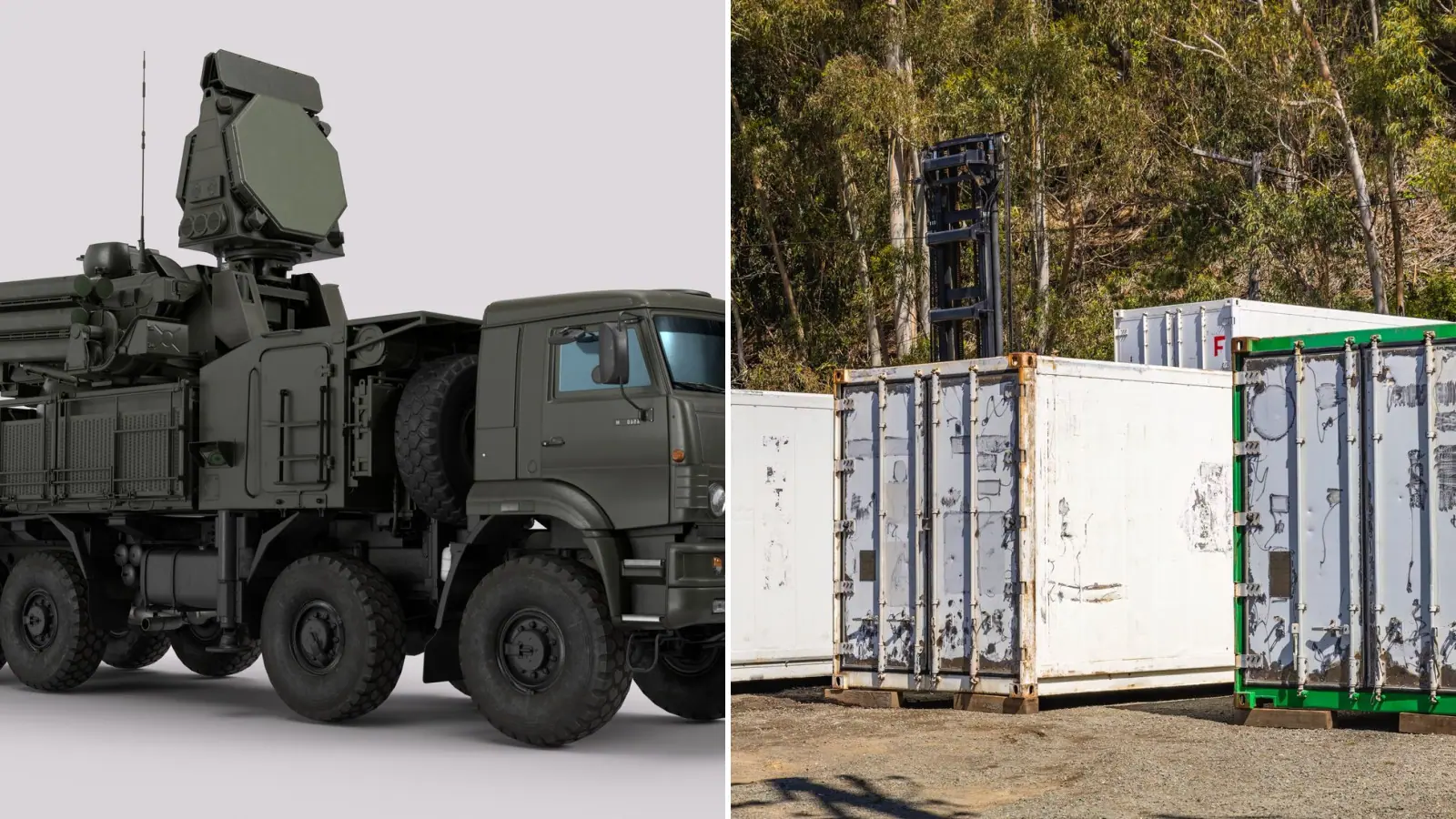
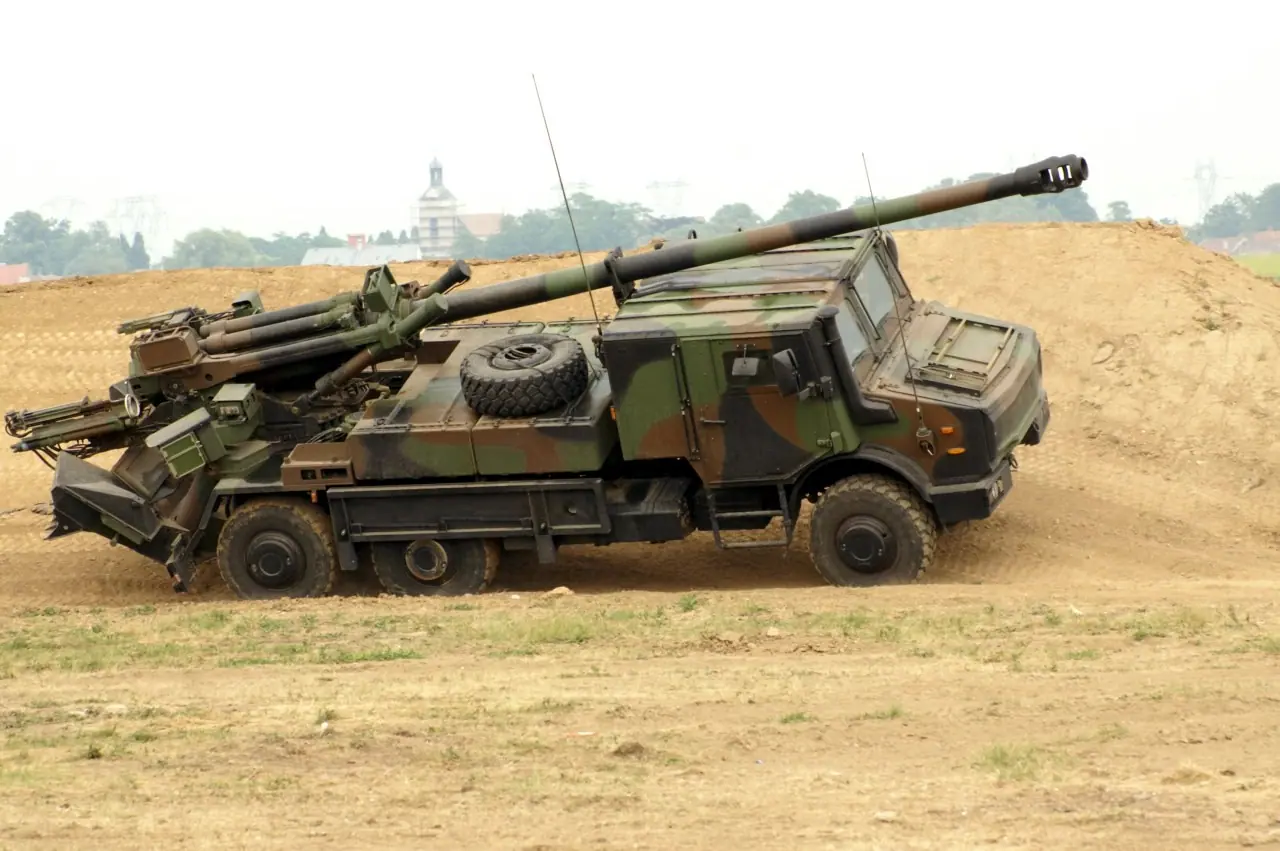
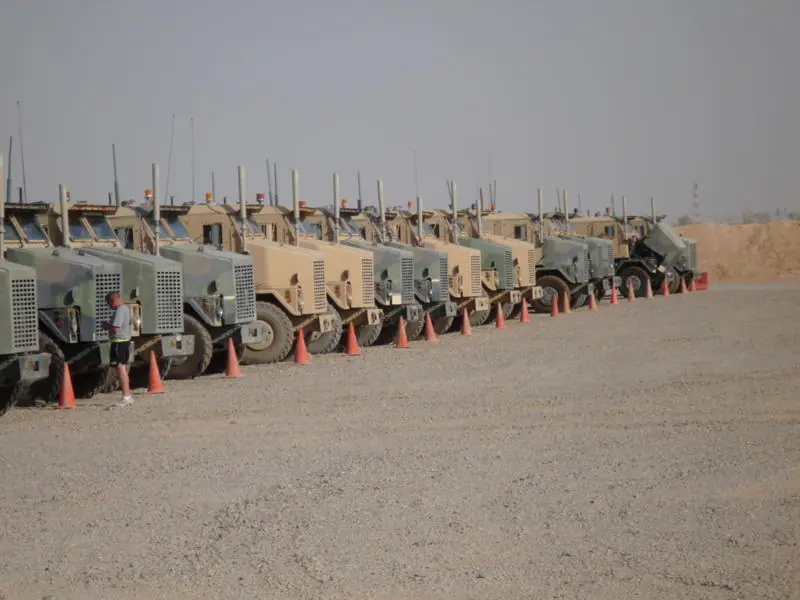
More than 150 infrastructure projects are being prepared in various military units. The biggest are for new 3D radars and air defence missile systems, for buying 155mm howitzers, and for repairs to the facilities where Stryker vehicles are stored and maintained.
The first air defence missile system is expected in January 2028.

Comments (0)
No comments yet.