
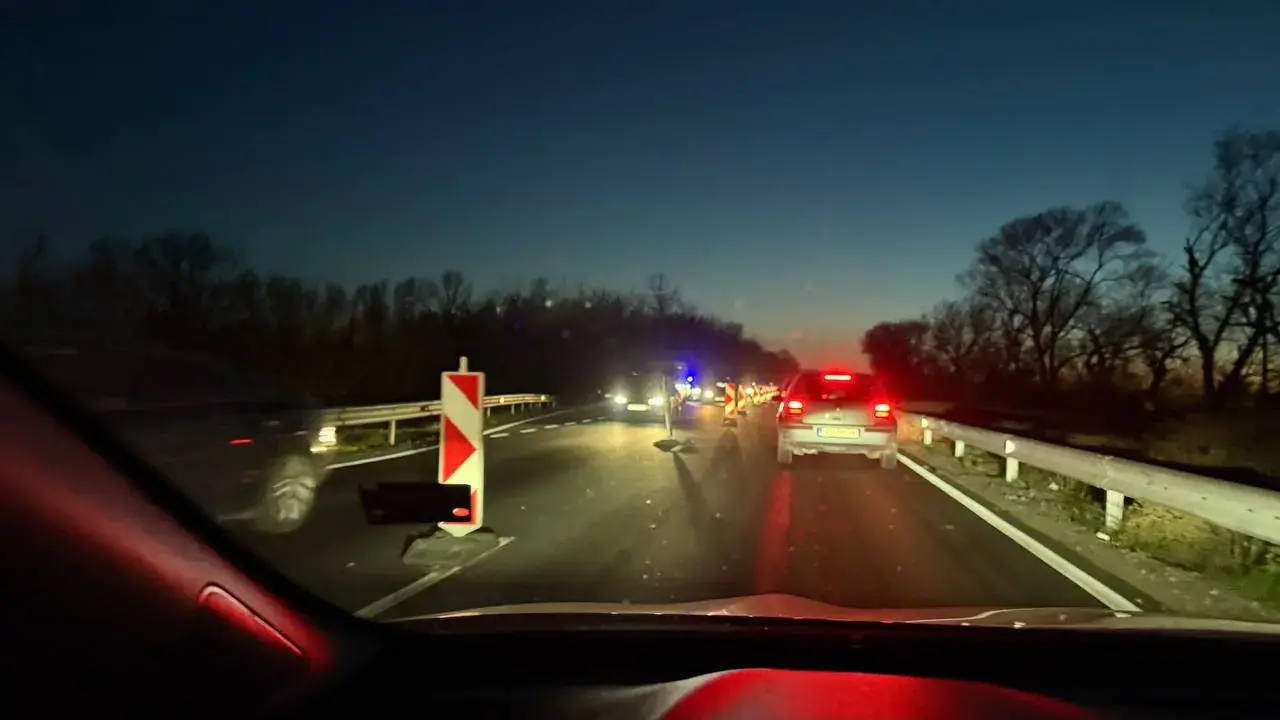
A coach carrying pensioners to Nesebar was among more than 80 cars and lorries caught up in the pile-up on the Trakia motorway. Eleven people died, the National Investigation Service (NIS) said.
The coach driver and five passengers are in hospital. Some of the group climbed out through broken windows. The other pensioners reached Nesebar with cuts and bruises.
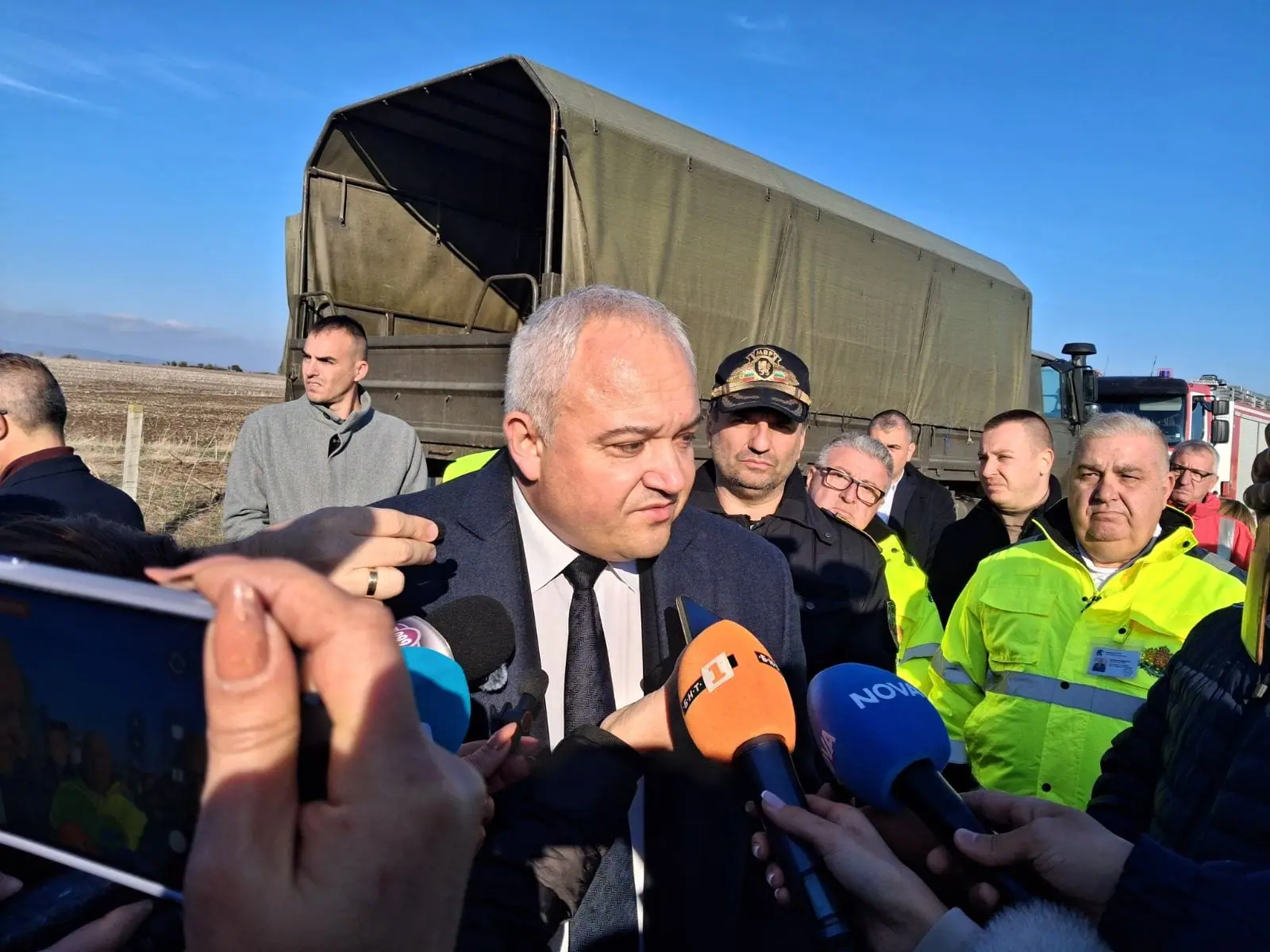
The 62-year-old driver of the Romanian lorry was released late on 11 November after a second round of questioning. Two pre-trial proceedings have been opened, acting NIS director Marian Marinov told a briefing.
More than 50 forensic medical examinations will be carried out. Those for the dead have been ordered, and 51 more for the injured are to follow. Witnesses found at the scene have been questioned. Marinov said about 100 more people who were there still have to be heard.
Some of the questioning will take place in hospitals. Investigators and police detectives will also travel to the injured and witnesses, so they do not have to come to Sofia. The case is led by the investigator who was on duty on the day of the crash.
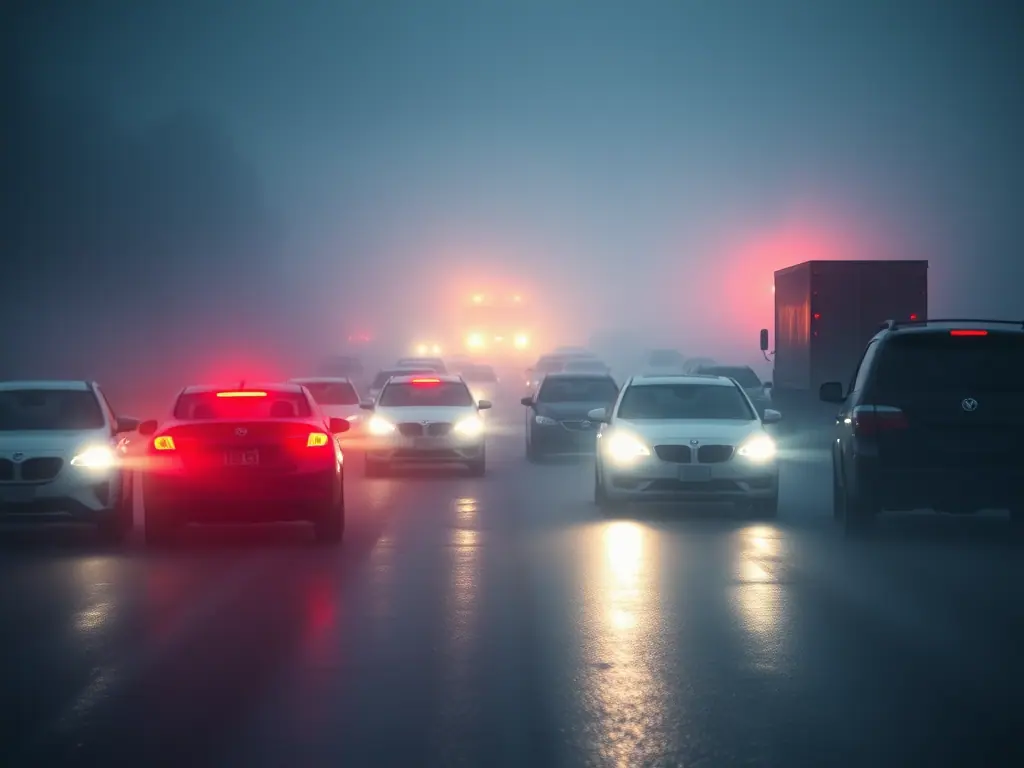
The main question is why the heavy lorry stopped or slowed down on the motorway. Investigators are checking two versions. In the first, the lorry stopped because of a car in front of it. In the second, the driver slowed because of thick fog and poor visibility, and the vehicle behind did not adjust its speed. Neither version has been discussed officially yet.
"This lorry did not cause the crash. It became an obstacle on the road. The one who hits it causes the crash. That is the coach," Marinov said.
He said whether the lorry driver is to blame depends on many factors. Investigators say fog is not an obstacle but a condition in which every driver must keep to a speed that suits visibility. Marinov thinks the road surface matters little. What counts, he said, is whether the driver had enough time to react.
A passenger on the coach said he felt the first impact, and seconds later another lorry slammed into them. Five or six more impacts followed.
Other passengers said a car and a jeep with Austrian plates were in front of the Romanian lorry. They think the two vehicles had hit each other earlier. They said the lorry driver began to slow down when he saw their brake lights, and the front of the lorry was not hit.
A witness said the jeep had moved into the emergency lane. The car, pointing against the traffic, burned and stayed there all day. Two drivers, an older man and a younger one, were by the guardrail, and the older man is in a serious condition. Witnesses think the car's driver got confused and drove into the opposite carriageway.
Investigators see the crashes in both directions as linked. They say cars went through the central crash barrier and put oncoming traffic in danger, which forced other drivers to stop. There was also thick fog in the opposite direction.
Investigators already have a sketch of where the vehicles ended up and early details on the people travelling in them. The order of the impacts is hard to rebuild, because each new collision moved the vehicles and wiped out part of the traces of the earlier ones.
Still to be established are the visibility just before the collisions, whether drivers had time to react, the state of the road surface and whether the other drivers kept their distance. Samples of the road surface are still waiting to be tested.
A combined vehicle-technical and forensic medical expert report will follow, covering the order of the impacts, speeds, driver behaviour and how the injuries happened. Investigators say it will be decisive in judging whether each driver contributed to injuries or deaths in their own or another vehicle. The vehicle-technical part has not been ordered yet. Several experts are expected to take part.
Prosecutors asked the Road Infrastructure Agency for all documents on repairs to the stretch where the two crashes happened, and on when it was opened to traffic.
At the briefing, investigators recalled a similar case on 5 February 2019. On the Struma motorway, near the Sandanski junction, 28 vehicles collided in a stretch of very thick fog, and three people were later charged. A representative of the investigation gave an example of a speed of 80–90 km/h with visibility of 5–6 metres, to show the danger of driving too fast for conditions.
Comments (1)
Един автобус с пенсионери към Несебър? Наистина ли?