
Doctors at the neurology clinic of the Heart and Brain hospital in Burgas have diagnosed and treated a 39-year-old man from Tankovo, a village near Nessebar, for autoimmune limbic encephalitis, a rare inflammatory disease of the brain. After more than six weeks of treatment, he has recovered.
The man worked in a warehouse and led an ordinary life until, within about an hour, everything changed. He woke up confused and disoriented, and did not understand what was going on around him.
His mother called a doctor at once. Before the prescribed treatment had started, the man had a severe epileptic seizure and lost consciousness. Doctors and relatives advised the family to seek help at Heart and Brain, where Dr Veselinov admitted him.
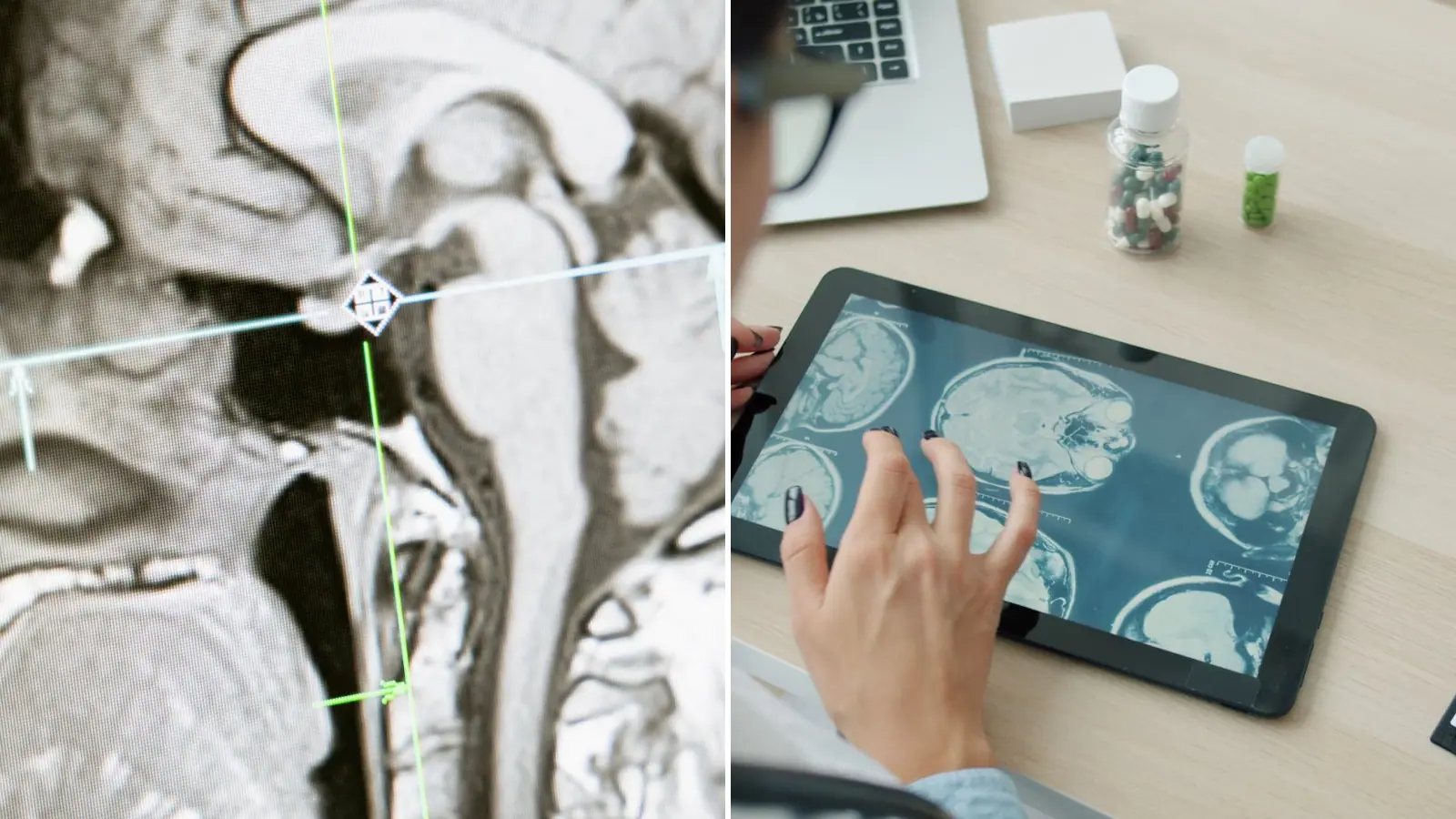
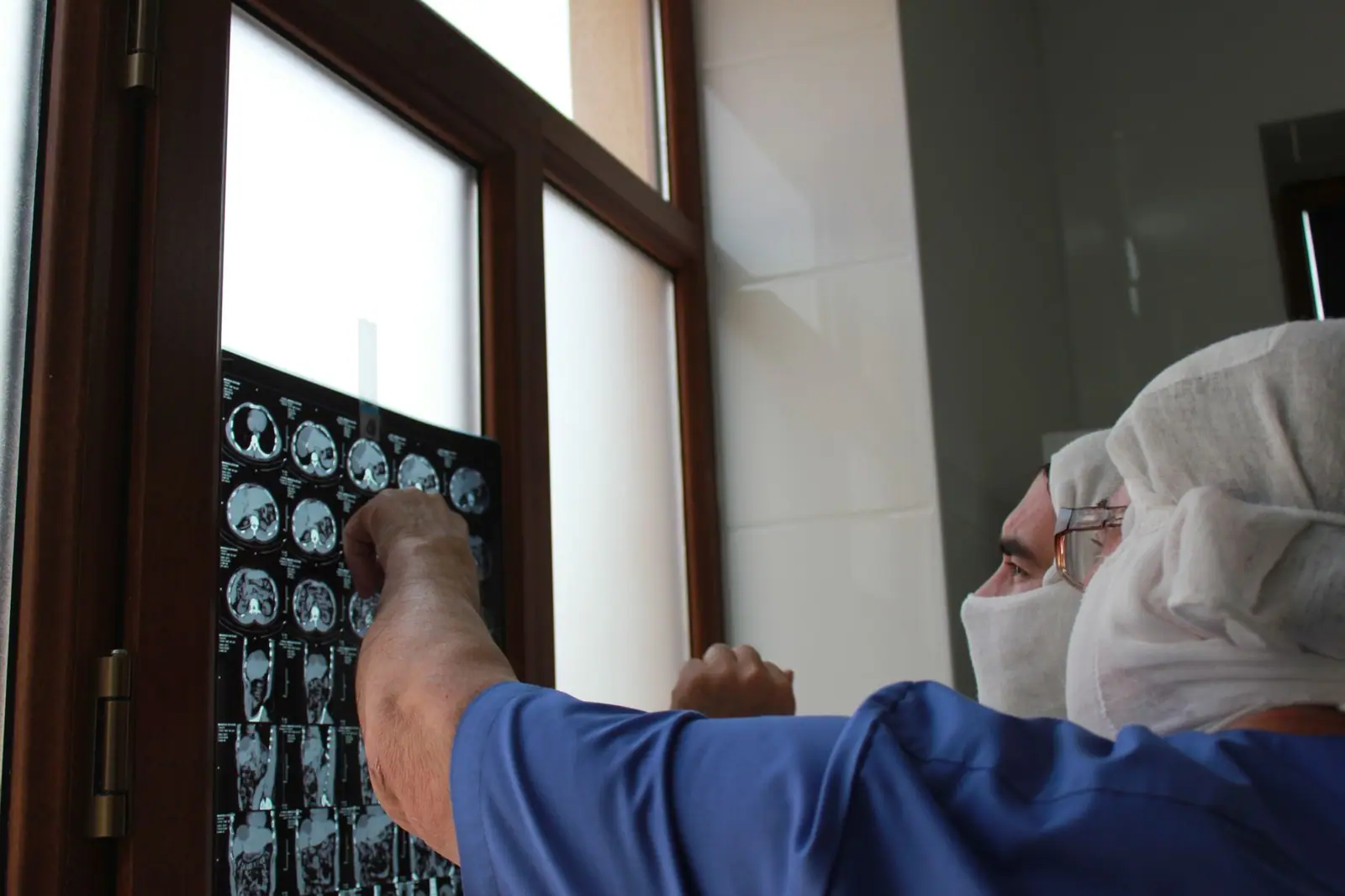
Doctors at the Clinic of Nervous Diseases, headed by Prof Dr Ivan Dimitrov, DSc, stopped the seizure and looked for its cause. They gave him an MRI scan of the brain and a lumbar puncture, a test of the cerebrospinal fluid.
His attending doctor, Dr Ekaterina Aleksieva, described his condition on arrival: severe memory loss, inappropriate behaviour, hallucinations of smells and generalised epileptic seizures. He also had a psycho-organic syndrome, meaning changes in thinking and behaviour caused by damage to the brain.
She said he was at times aggressive and distrustful of the doctors, laughed for no reason and spoke incoherently. His mother stayed with him all the time, because it was very hard to reach him.
The fluid test ruled out a bacterial or viral infection of the brain. A test for specific autoimmune antibodies, which are found in some forms of the disease, was negative. The diagnosis rests on the typical MRI and puncture findings and on his symptoms.
Prof Dimitrov explained that in this disease the immune system wrongly attacks parts of the brain and makes autoantibodies against brain cells. He said the illness is hard to recognise and can look like a mental disorder. "It is important to spot it early, even when tests do not give a clear answer," he said.
International studies show the disease affects about 1 in 100,000 people a year. The effects can be severe and long-lasting, but if treatment starts early, there is a good chance of a recovery.
The man was given corticosteroids, drugs that reduce inflammation, and drugs against epileptic seizures. He got better step by step: the strange behaviour went away, and his memory and orientation came back.
His memories start only about a week before he left hospital. More than a month before that is blank for him.
Today he reads books again, does sudoku and does the things he loves. "Clinically, he is literally his old self again. This is an extremely good outcome given how severe his condition was at first," Dr Aleksieva said.
His mother said her son seemed to have woken up as a different person. She thanked the doctors for giving her child back. To her, his hug is proof that he is the same caring son again. The man himself dreams of returning to his old life.
Treatment goes on, and neurologists will keep monitoring him. They expect his recovery to continue over the coming months.
Comments (0)
No comments yet.