
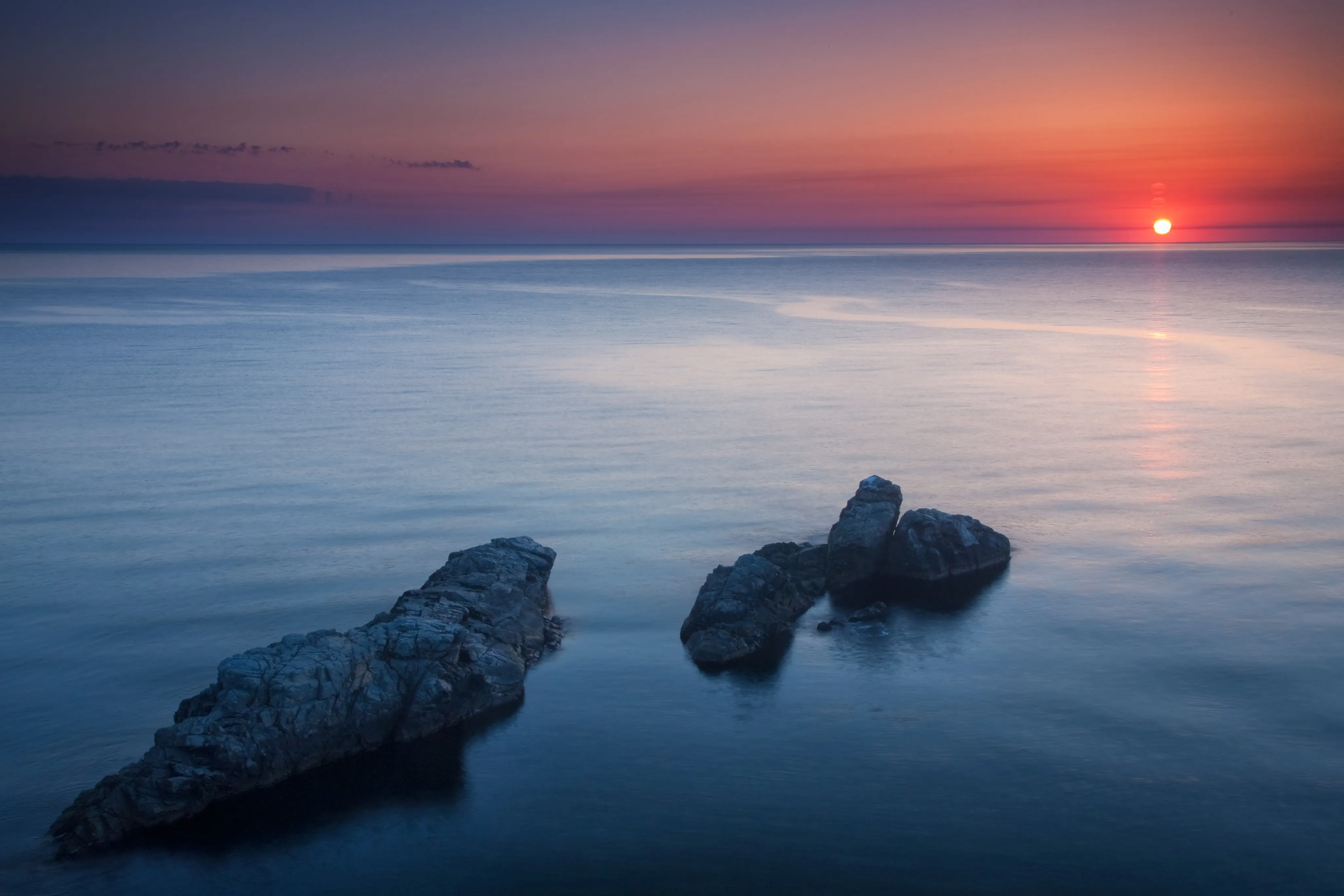
The protected area "Kolokita", located in the immediate vicinity of the ancient city of Sozopol, is one of the most intriguing natural complexes along the Bulgarian Black Sea coast. The territory covers an area of about 10.5 hectares, which possesses an exceptionally rich biological diversity and unique landscape features.
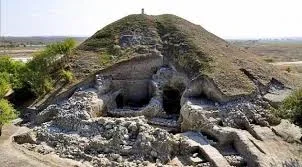
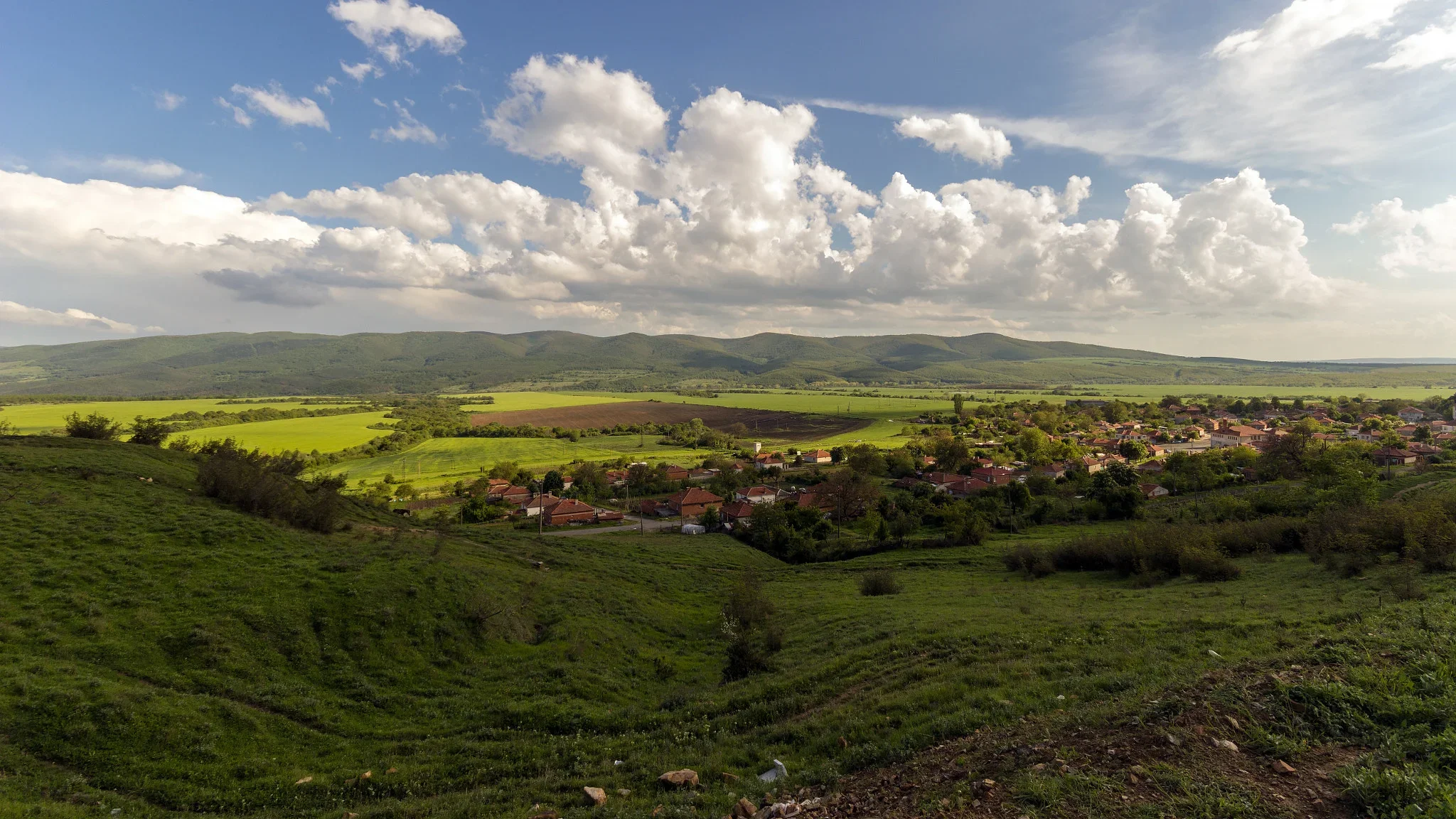
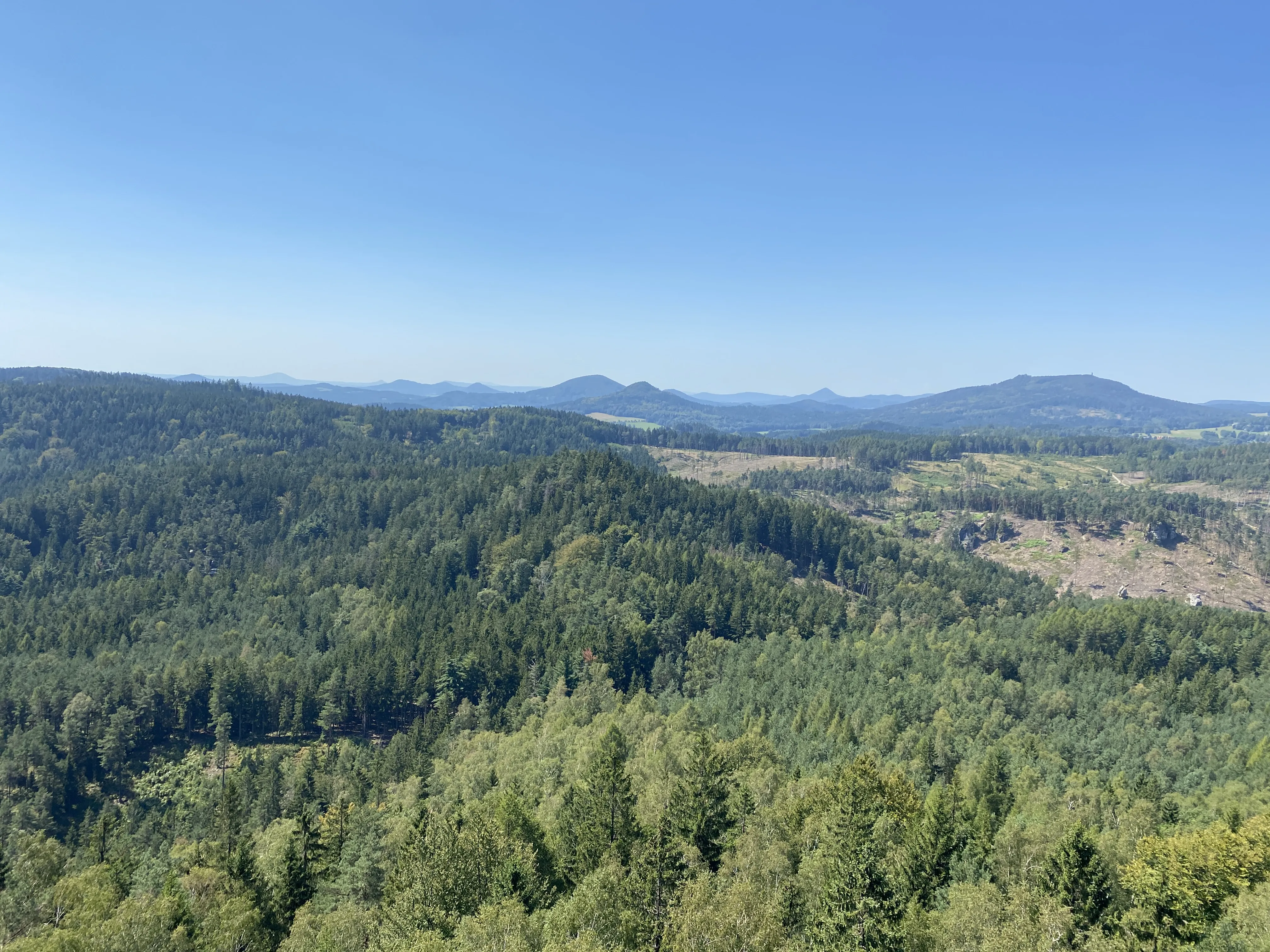
The geological structure of the area represents an extremely interesting mosaic terrain, composed of rock formations, characteristic Mediterranean plant formations and coastal ecosystems. The relief is characterized by variable heights, rock massifs and gentle slopes, which create an impressive natural panorama.
The plant wealth of the protected area includes numerous endemic and rare plant species. Among them, the Mediterranean shrubs are particularly impressive, forming compact plant communities with high conservation value. The floristic composition unites over 200 plant species, some of which are extremely rare and protected.
The ornithological significance of "Kolokita" is another essential aspect of its ecological characteristics. The area serves as an important migratory corridor and nesting place for numerous bird species. Experts note that both local and migratory birds can be observed here, which further enhances the nature conservation significance of the territory.
From a management perspective, the protected area "Kolokita" is administered according to strict nature conservation regulations. The main purpose of its declaration is the preservation of exceptional biological diversity, prevention of anthropogenic impacts, and maintaining the natural ecosystems in the most authentic form.
The tourist potential of the site is significant, while strict measures are applied to control and limit human presence. Visitors can enjoy picturesque views while being obliged to follow certain ecological norms and behavioral rules within the protected territory.
The scientific community shows sustained interest in "Kolokita", conducting regular research and monitoring of ecosystems. The obtained results contribute to a deeper understanding of local natural processes and evolutionary trends.
Comments (8)
Gems на българската природа 💚🍃
Унищожаваме ли последните си диви кътчета? Българиа има нужда от по-строга защита!
Леле, колко е яко, че имаме такива кътчета в България! 🌿🌊
!
Абе тия природнни резервати по хартия са, пък после всичко застрояват 🙄💸