
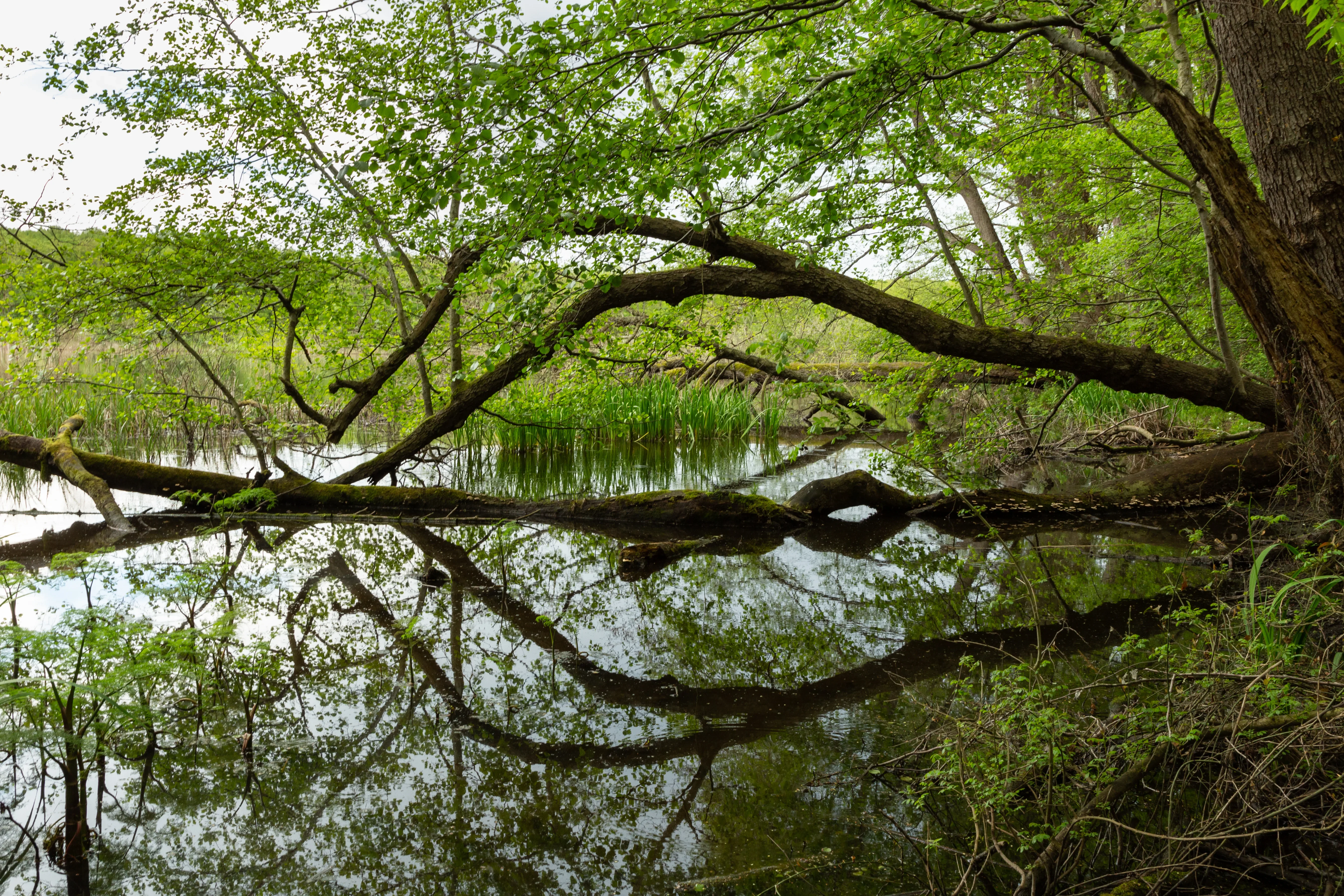
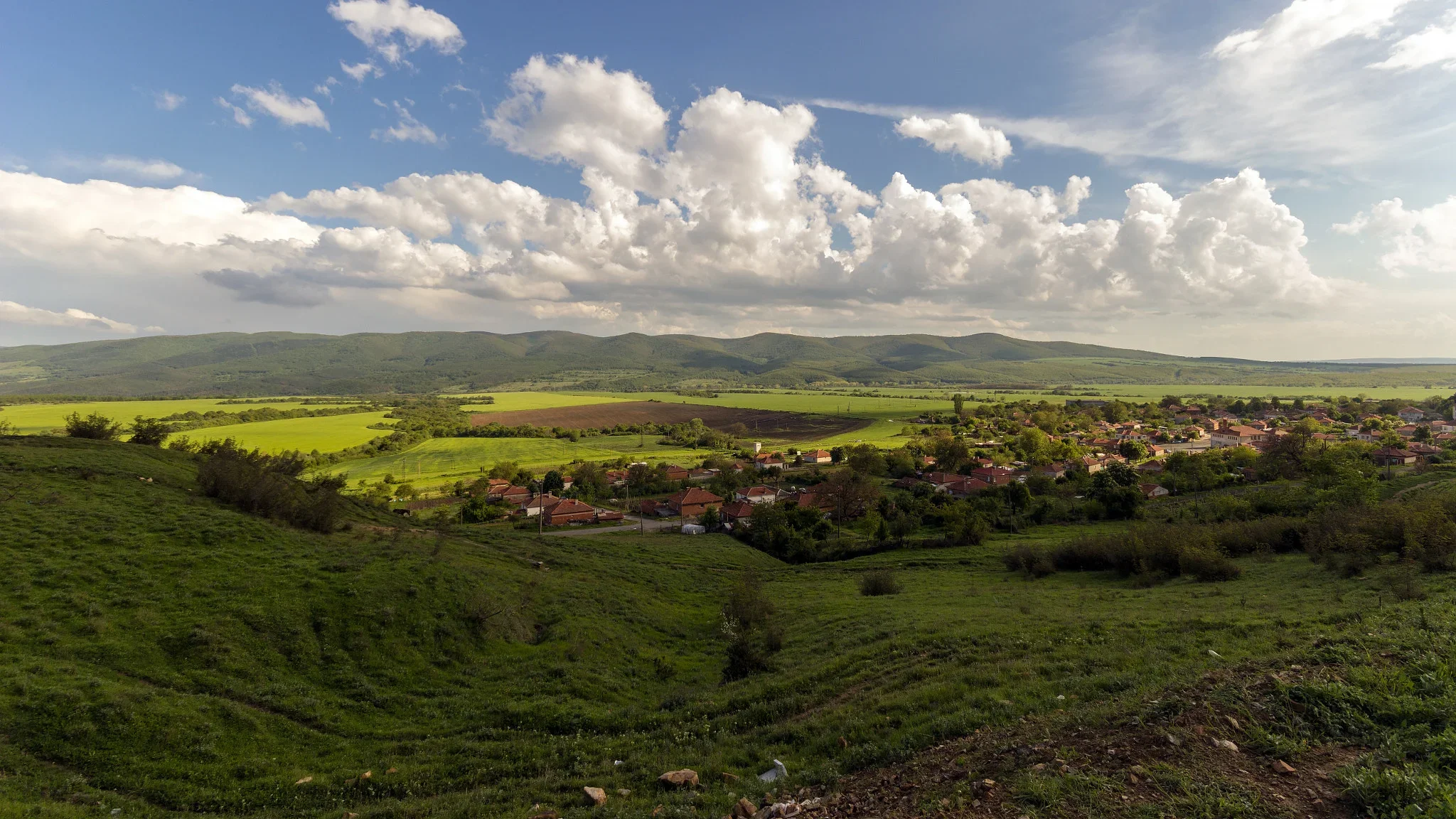
The "Kalinata" protected area is one of the most valuable green spaces in the Nesebar region – a true natural island between the urbanization of the Black Sea coast and the agricultural lands of the interior. It is located about 10 km west of the resort "Sunny Beach," between the town of Nesebar and the villages of Kosharitsa and Tankovo in the Burgas region, near key tourist and ecological corridors.
"Kalinata" was declared a protected area for the purpose of preserving a unique longoz forest and natural habitats of rare plant species, including those characteristic of wetlands and floodplains. Officially, it is part of the national network of protected territories and falls on the periphery of two important "Natura 2000" zones – "Emine" and "Emine-Irakli," which further highlights its significance for the preservation of biodiversity along the Southern Black Sea coast.
The area of "Kalinata" is about 1.09 sq. km (approximately 109 hectares), and the terrain includes a combination of forest tracts, wetlands, and semi-wetland areas. Bulgarian sources indicate an approximate area of 960 decares, which once again shows the compact, but highly concentrated nature of the area in terms of natural values.
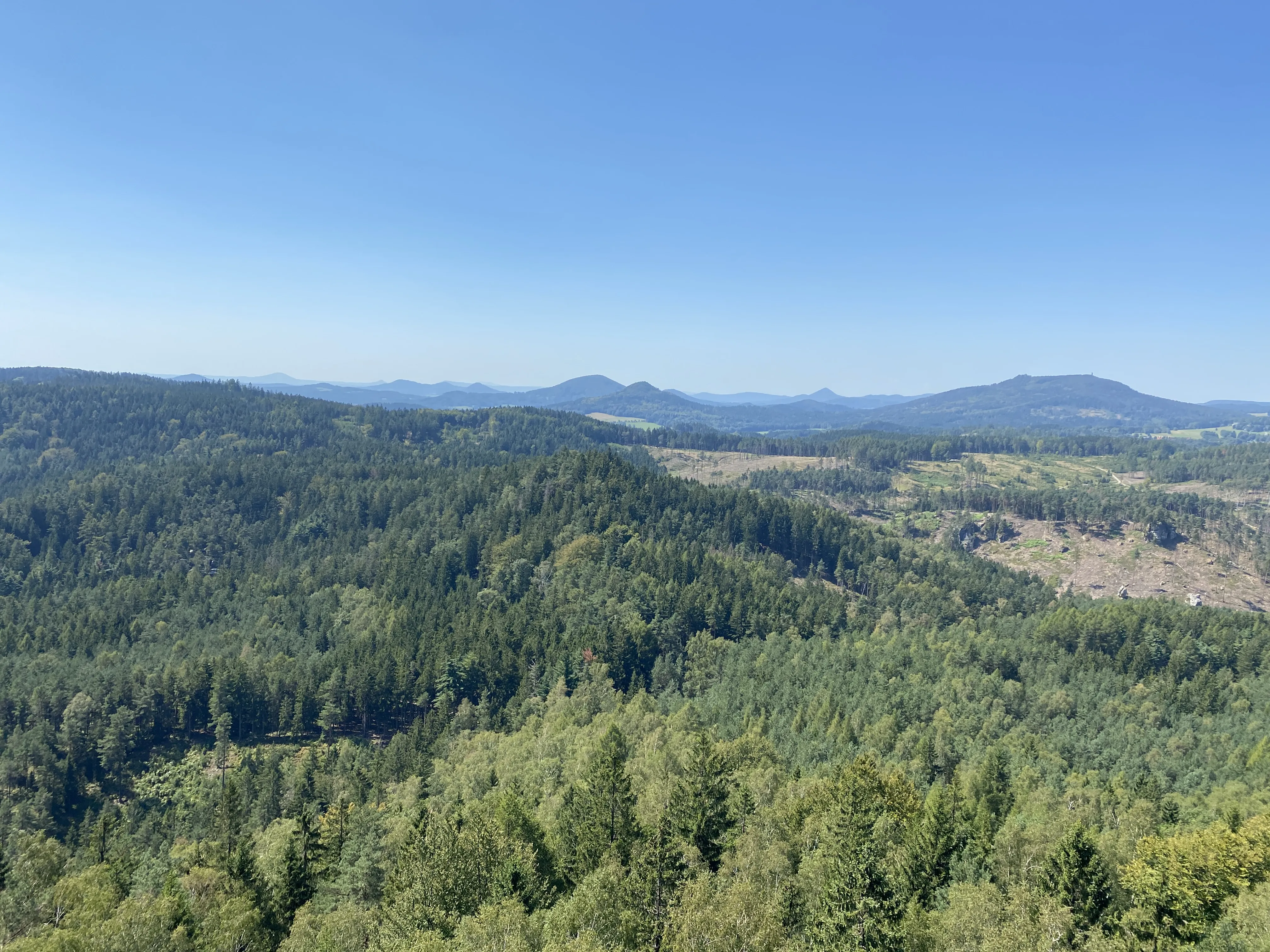
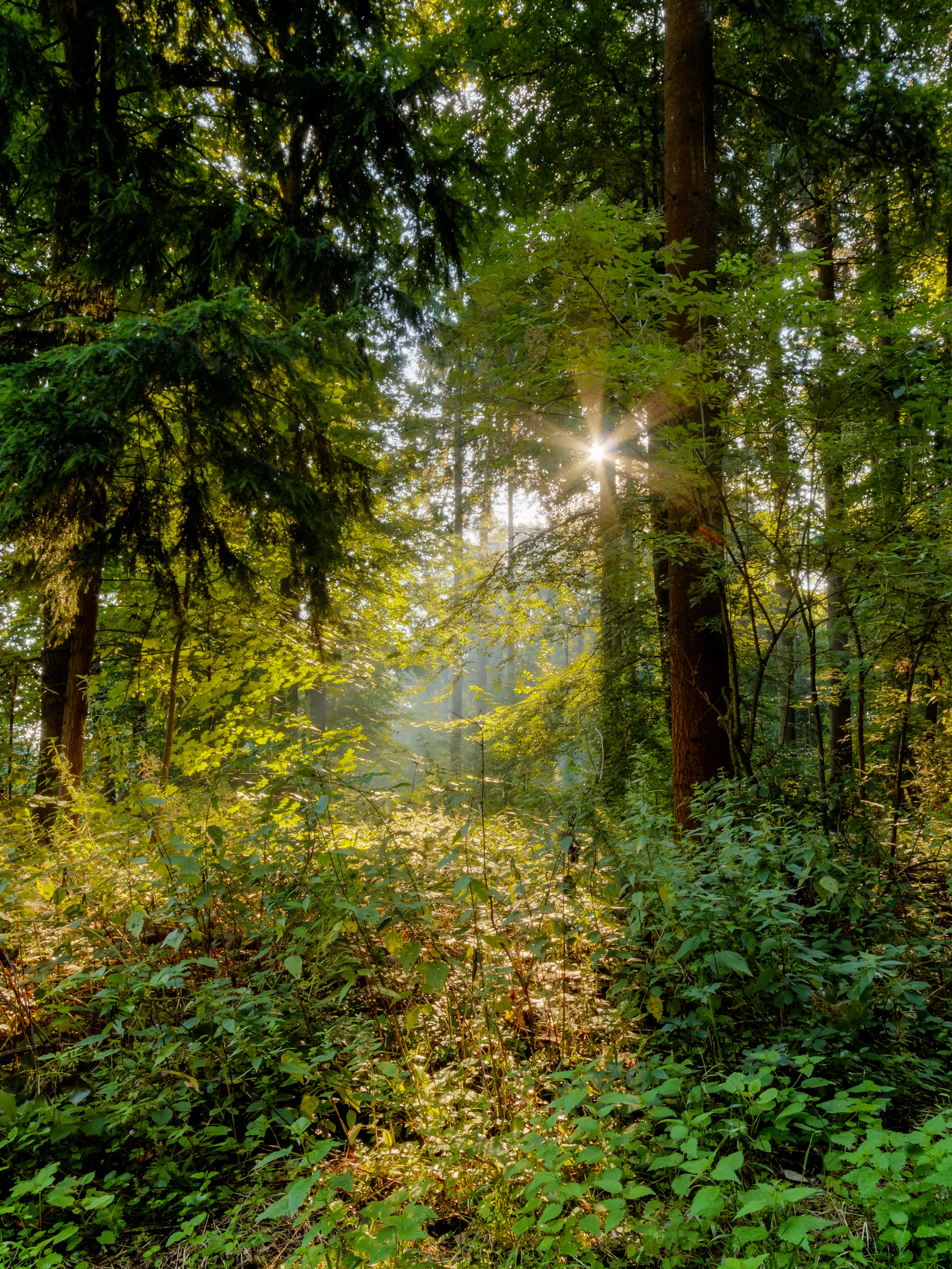
The landscape in "Kalinata" is dominated by a longoz forest – a typical riparian and floodplain forest ecosystem with centuries-old ash, oak, and elm trees and a rich undergrowth of shrub and grass species. Such forests are increasingly rare along the Bulgarian Black Sea coast due to intensive construction and changes in land use, which makes the area a kind of botanical refuge and a "living laboratory" for studying natural forest communities.
The main goal behind the declaration of "Kalinata" is the protection of a natural habitat of the summer snowflake (Leucojum aestivum) and a unique plant community in the longoz forest. The summer snowflake is one of the iconic species for wetland habitats in our country, and its presence here is an indicator of preserved hydrological conditions and a relatively clean environment. The protection regime includes restrictions on logging, construction, changes in land use, and activities that would damage the water regime and soil structure.
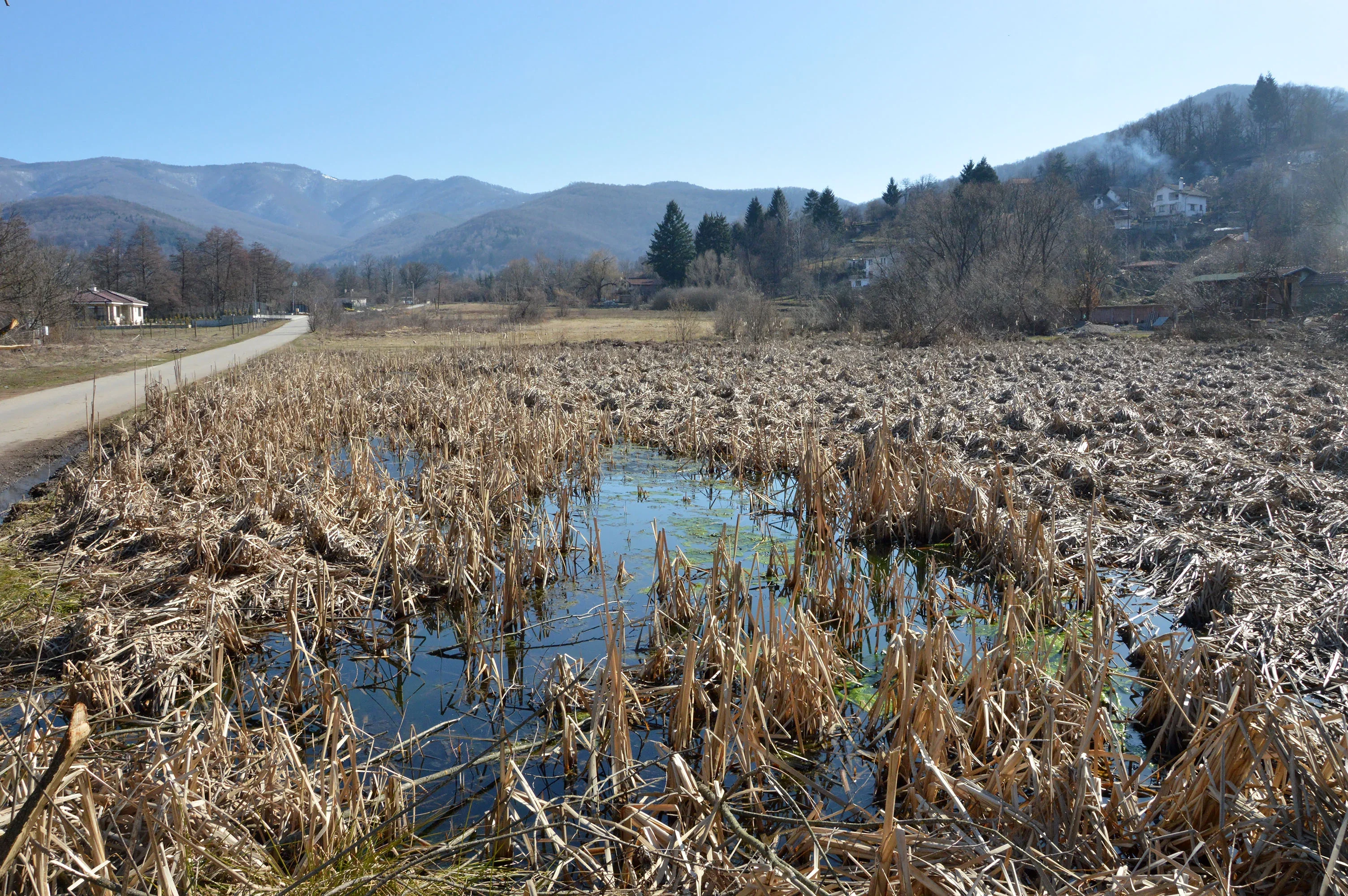
Within the area, various plant species can be found – from hygrophytic grass communities to tree formations characteristic of coastal plains. Many small mammals, amphibians, reptiles, and birds find refuge here, using the longoz forest as a place for feeding, breeding, and shelter along the migratory routes of the Black Sea flyway.
Bulgaria is among the countries with the richest biodiversity in Europe – thousands of species of higher plants, dozens of species of mammals, and hundreds of species of birds are found here, and protected territories cover a significant part of the country's area. In this context, "Kalinata" is a small but strategically important element of the network of "green islands" that preserve unique habitats and are key to ecological connectivity in a region under high tourist pressure.
The area around "Kalinata" is often defined as a "green refuge" – a zone where the absence of heavy industry and more moderate development of mass tourism have allowed nature to remain in relatively good condition. In the vicinity, there are other protected areas such as "Irakli," "Smirikite," "Ortoto," and "Koketrais," which creates a broader ecological belt of protected areas along the northern coast of the Burgas region.
Despite its protected status, "Kalinata" is not isolated from risks. The main threats include illegal logging, unregulated landfills, poaching, as well as potential pressure from construction due to the proximity to highly urbanized and tourist areas. Biodiversity experts warn that a change in the hydrological regime – for example, through drainage or improperly built infrastructure – could lead to the degradation of the longoz forest and the loss of characteristic species.
In recent years, local structures of the Nesebar municipality, environmental organizations, and the tourism business have begun to view "Kalinata" both as a valuable natural resource and as a potential for sustainable ecotourism. Marked trails, information boards, and educational routes can turn the area into a "living classroom" for pupils, students, and nature lovers without disturbing the fragile ecological balance.
Opportunities for the development of nature-friendly tourism include bird watching, botanical tours, photographic routes, and interpretive programs aimed at explaining longoz forests, wetlands, and the importance of protected territories. Thus, "Kalinata" can fit into a broader concept of "green tourism" in the Nesebar region, which would complement the marine and cultural-historical profile of the destination.
On a broader scale, protected areas like "Kalinata" are key to fulfilling national and European goals for nature conservation – from commitments under "Natura 2000" to climate change adaptation strategies. They preserve not only rare species and habitats but also provide important ecosystem services – air and water purification, protection against erosion, microclimate regulation, and opportunities for recreation.
For "Kalinata" to remain alive in the coming decades, experts emphasize the need for stricter control, systematic monitoring, and active participation of the local community. Including the protected area in educational programs, local initiatives, and tourist routes is a way to create a public feeling that "Kalinata" is not just a spot on the map, but a valuable common resource worth protecting and passing on to future generations.
Comments (12)
Бах, ма! Калината – зелена крепост? 😂 Сериозно ли?! Трябва да се видя на живо тая "крепост". Важното е да пазят природата, че
Ебати маркетинга! "Зелена крепост"?! Абе хора, гора си е, ама с претенции явно. Дано наистина я пазят, че да не стане пак като 💸
Абе, "зелена крепаст"... хахха! 🤦♀️ Добре де, гора си е, важното да я паз
Абе, хора, к'во стана с тия названия бре?! "Зелена крепост"... сякаш сме във фентъзи игра, а не край Несебър! 😂
Абе гора си е, ама "зелена крепост" деба... 🤣 Явно искат да я направят атракция, добре де, стига да я пазят наистина. Дано не стане някой цирк с разрешителни и строежи после