

Forecaster Anastasia Stoycheva told BNT that colder weather and heavy rain will arrive at the end of October and the start of November. The first snow will likely fall in the Predbalkan foothills and the high basin plains.
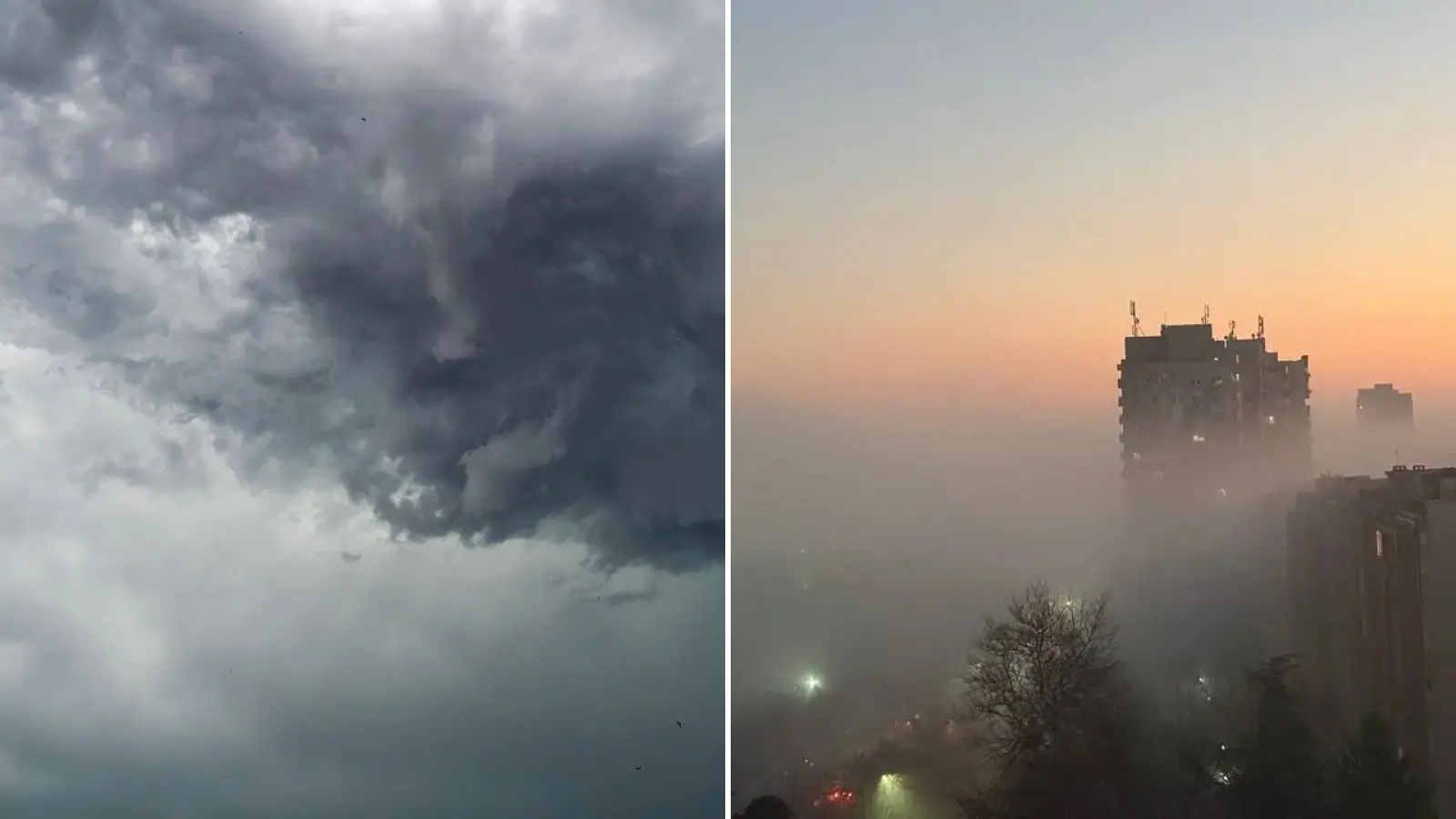
The cyclone will stay over Bulgaria until the end of the week. It will be mostly cloudy and wet, with snow in the mountains, falling as low as 1,300–1,500 metres. Warning codes have been issued for some areas.
In northeast Bulgaria, 30–35 litres of rain per square metre are expected by the morning of 28 October, and more in places. The rain will continue overnight and through the next day, then slowly ease.
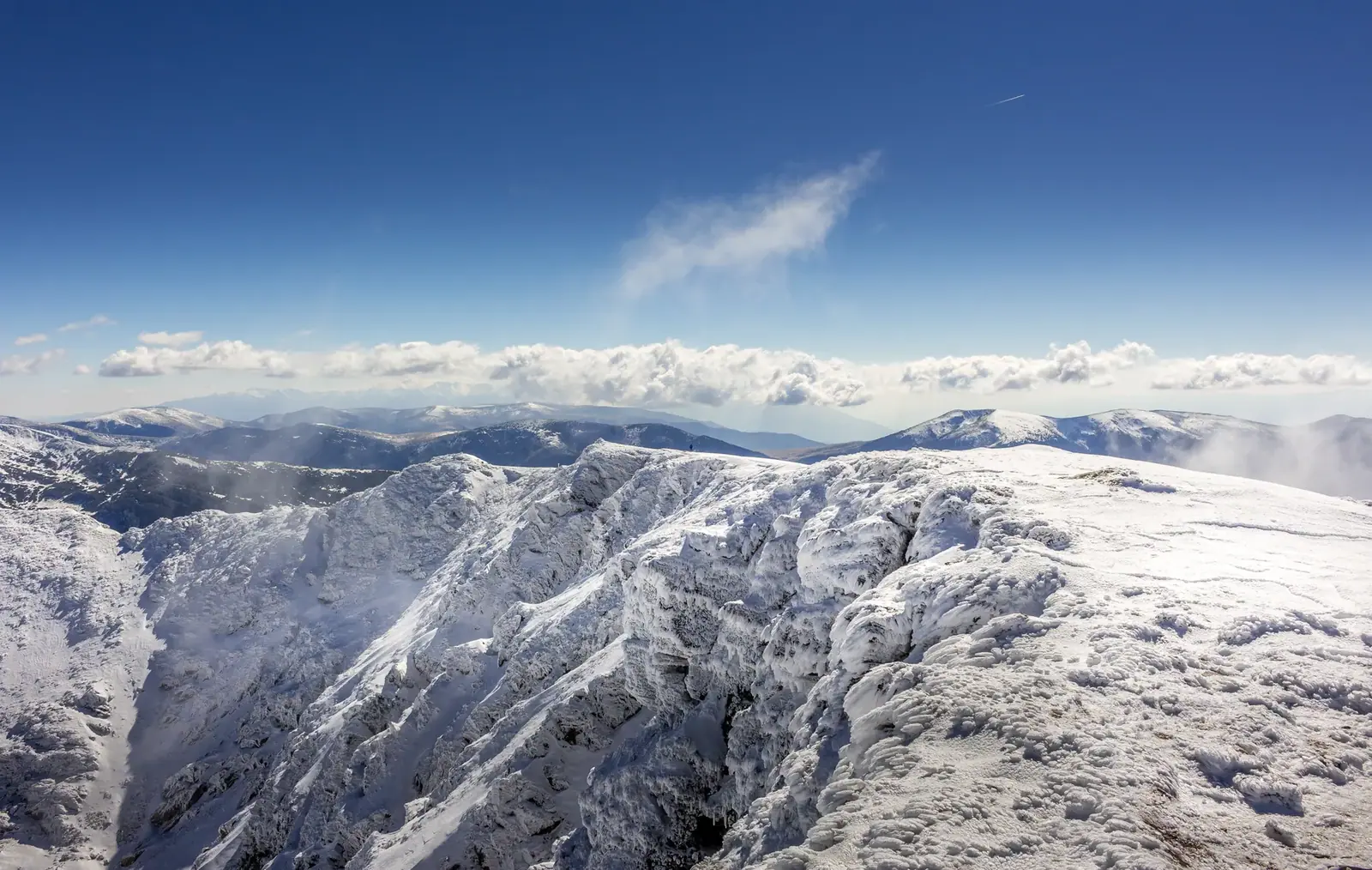
Describing conditions in the mountains, Stoycheva said: "It's simply winter in the mountains. This morning it was minus 9 in the high parts. That's quite cold."
The weekend will be colder and wetter than the last two. Stoycheva expects the worst weather on Sunday and Monday, when temperatures drop, the wind picks up and rain sets in. In the night into Monday, rain is very likely to turn to snow in the Predbalkan, the high basins and the plains within them.
It is not yet clear how far the snow will spread, because that depends on where the centre of the cyclone passes. But the chance of rain turning to snow in places is high, Stoycheva explained. She wanted to put a "rain and snow" symbol on Monday in the weekly forecast, but held back because of the uncertainty. Quite cold air is moving in, she added.
There will definitely be no snow on the lowlands for now. In the basin plains, including the one around Sofia, it is possible. Stoycheva said snow there is further off in the forecast, because the current system must first pass and the next cyclone must arrive, bringing fresh cold and rain. Early signs suggest the rain will be heavy.
The second cold spell, at the start of November, will be stronger than the current one. Stoycheva thinks drivers will soon have to change their tyres. On mountain roads she was firm: "On the passes, the Balkan Range passes, those above 1,000 metres, in any case, anyone travelling must have winter tyres." She said they are needed there at least because of the low temperatures.
Central heating does not switch on automatically at set temperatures. One rule is that the average daily temperature must stay below 12 degrees for three days in a row. Stoycheva expects enough such days before the end of the month, but that does not guarantee the heating will start, because the district heating companies decide. The cold is setting in for good, buildings are cooling and heating is needed more and more, especially in schools and kindergartens, she said.
October has been mixed for both temperature and rain. In much of northern Bulgaria the month has been above the climate norm, while in the mountains, the southwest and parts of the Black Sea coast it has been below it. At the end of the month, temperatures will be close to normal for the season.
Stoycheva said the differences between regions come from incursions of cold air, the east wind and the temperature of the sea. Autumn is arriving gradually across Bulgaria.




Comments (0)
No comments yet.