
The government will not raise taxes on households. Instead it has picked six sectors to squeeze for more money and cut the budget deficit, deputy prime minister Atanas Pekanov told Bulgarian National Television.
Most of the targeted companies are foreign-owned, and the levy will be based on the profits they send abroad each year. The new tax mainly hits service companies. Firms that actually make goods, along with startups and growing businesses, will be left out.
Pekanov said profits in these six sectors have been high in recent years because of the economic situation, so they should pay more. Foreign investors are "welcome," he added, and there's nothing wrong with that.
For households, the bigger news is that the waste collection fee won't rise for now — the government has found a way to stop it being adjusted for inflation in the short term. Parents will be able to deduct up to 2,000 euros from their taxable income for courses, private lessons and sports training. The income threshold for tax relief for parents with one, two, three or more children will rise from 6,000 levs to 5,000 euros.
Companies that buy artificial intelligence, servers or computer equipment will be able to write off the cost in one year instead of two. The whole tax and revenue package is planned for 2027 and should bring in an extra 1.4 billion euros for the state. Deputy finance minister Lyudmila Petkova told a briefing a few days ago that the plan aims to raise revenue for the long term, partly by shrinking the shadow economy through better tax collection.
There will be no cap on fuel prices. "We're not putting in a price cap, because that isn't the best approach," Pekanov said, explaining that a cap would only push people to use more of exactly what needs to be cut back. Support will stay targeted at those who need it and could be widened if prices keep climbing. Pekanov said the fuel situation could get worse in the coming months.
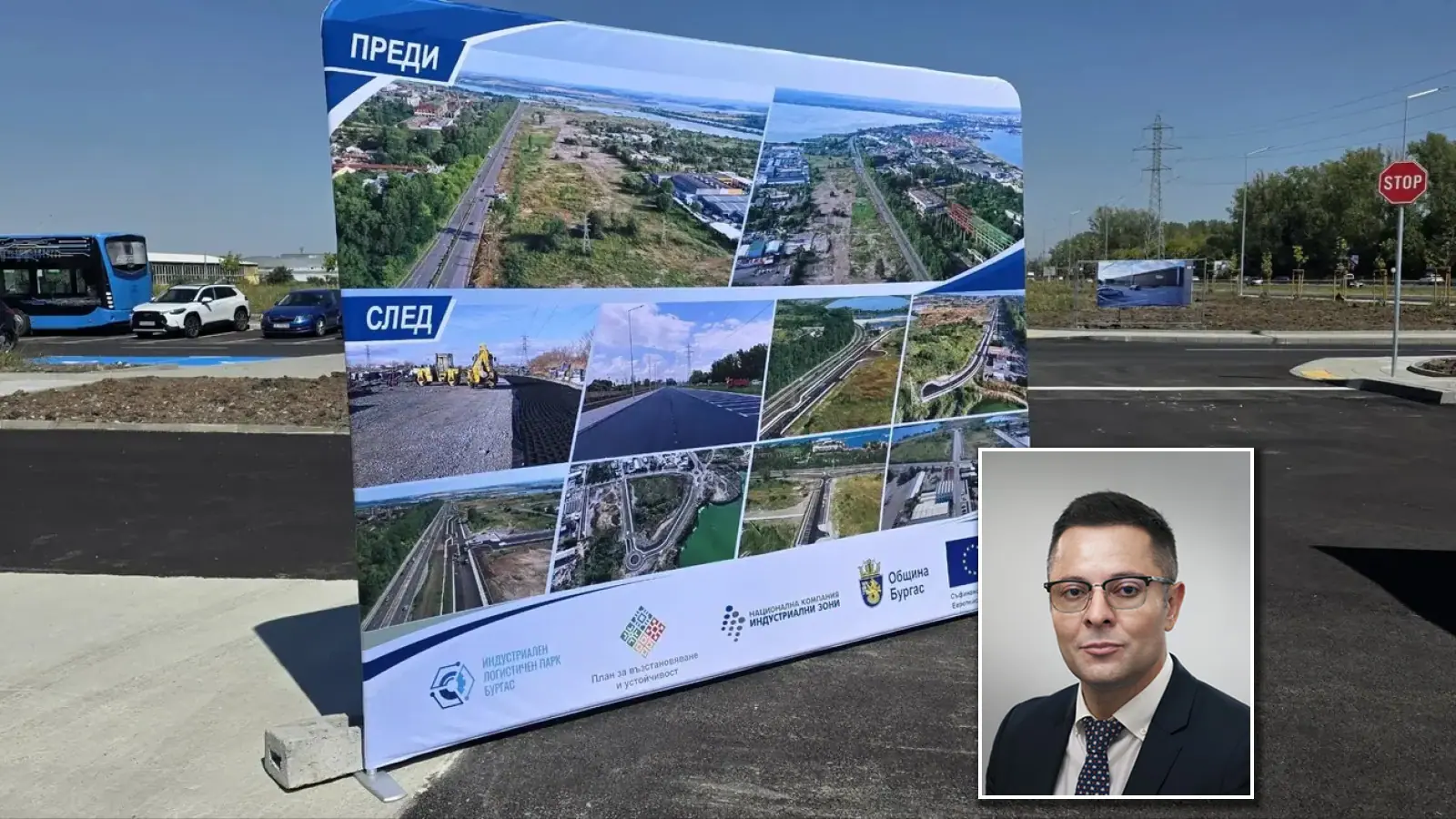
The government has finished the main technical work on the fifth payment under the Recovery and Resilience Plan, and the paperwork was sent off yesterday. "We've done everything that was required, and now we're waiting for the European Commission's assessment," Pekanov said. He expects most of the money from this payment — pushed back to the very last months — to come through, with any objections likely to be minor and technical. How much of the funds get approved should become clear in November or early December.
Pekanov said results in some sectors have been good and encouraging, and the investments will have long-term effects, some of which are still hard to measure. As an example, he pointed to the opening of the National STEM Center at Sofia Tech Park, which will draw teachers and students from across the country.
Comments (0)
Все още няма коментари.