
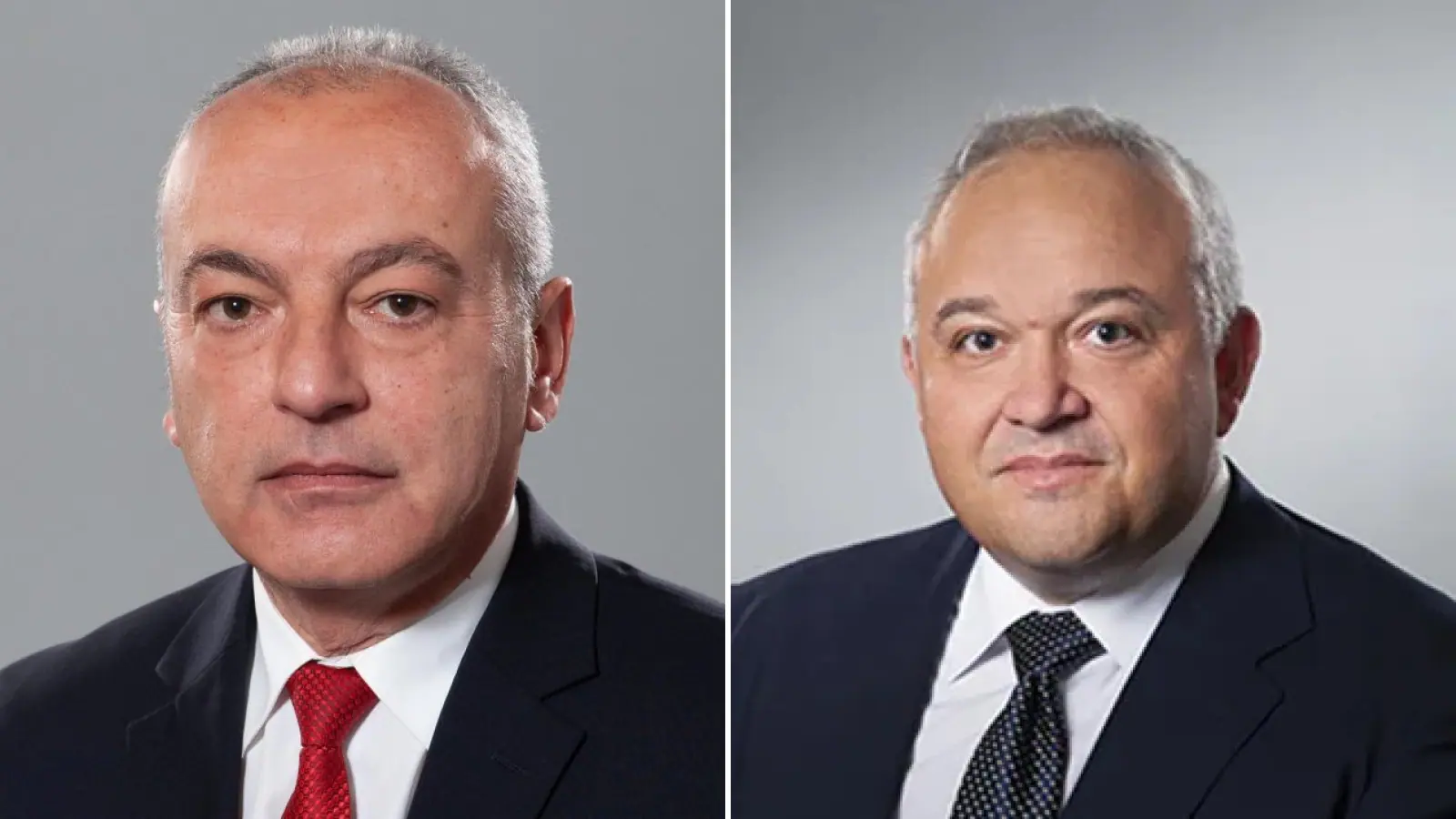
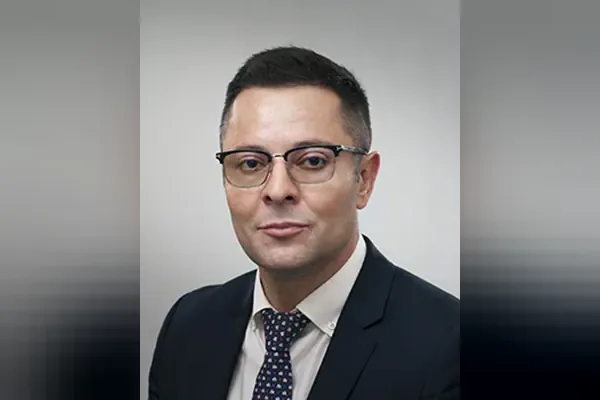
Finance minister Galab Donev says the government is working on a mix of tax rises and spending cuts that should add about 2.2bn euros to the budget. Of that, 750m euros will come from cuts. Part of the rest is meant to come from a one-off tax on the excess profits of banks and retail chains.
The finance ministry is going through all its spending, starting with capital projects. It will stop funding projects that show no results, cut spending on bloated administrative structures and reorganise units within the state administration. Donev said the deficit can't be fixed with extra revenue alone — public money needs to go where it does more good.
Donev met interior minister Ivan Demerdzhiev yesterday to talk about restructuring and cutting costs at the interior ministry. Officials plan to cut staff who don't do direct police work, though they haven't said how many yet. In the security sector, the aim is to spend money better while still meeting Bulgaria's commitments to NATO.
Asked about the killing of Filipov, Donev called the case serious and tragic and said investigators should be left to establish all the facts.
Bank profits have risen 588% over the past five years, which the minister called excess profit. When it comes to taxing that, officials will look at where the growth comes from — investment, new technology, better organisation or business expansion. For retail chains, they will draw a line between profit driven by market conditions and profit driven by business growth. The minister gave the example of a chain that grew from 50 stores to 100.
The minister does not expect the tax to push up loan rates. A bank's profit is normally paid out to shareholders as dividends, he explained, while the money used for loans comes from elsewhere, including deposits from households and companies. The ministry looked at EU and eurozone countries that tax banks' interest margins on an ongoing basis and found no sign that this has hurt lending or pushed up rates there.
Bulgarian National Bank governor Dimitar Radev warned that loans could become more expensive and economic activity could slow. Donev said that is the governor's personal view, not a decision of the BNB's governing council. The two are due to meet on Friday.
Hoping the new tax will stop prices rising further is more a wish than a certainty, the minister said. He said the euro itself is not to blame for higher prices and put the blame on the previous government for not checking how ready businesses and people were, and for failing to protect consumers. With no proper checks and weak action against price gouging, prices have gone up both in shops and for services, where "one lev became one euro," he said.
European Commission officials arrive in Sofia on October 5 and 6 to discuss the budget. As a eurozone member, Bulgaria must send its budget framework to the Commission by October 15, after which the draft 2027 budget goes to parliament. Donev said the legal deadlines will be met and noted that under the EU's excessive deficit procedure, Bulgaria must stick strictly to its planned net spending each year.
The state took on new debt yesterday on terms the minister called very favourable. Fears that complaints filed with the Constitutional Court over the deficit would hold up financing have not come true. Last week the outlook on Bulgaria's credit rating was raised to positive, which Donev said reflects a positive view of the economy and of the steps taken against the excessive deficit.
The minister linked higher fuel prices to the end of Russian oil imports and the switch to new suppliers, noting that Bulgaria gave up its waiver earlier than it had to. He said fuel in Bulgaria remains among the cheapest in Europe, but comparisons should take into account countries that still import Russian oil and those with price caps. Asked about Lukoil, Donev said he had no data on its current margin and pointed the question to the economy minister and deputy prime minister for economic affairs. The company's excess profit has already been taxed under the EU's 2022 regulation, he said, and taxing the same reference years again would have no effect.
The new rule on rakia, the local fruit brandy, aims to limit sales of rakia made by unclear methods and of unknown quality. It affects bars, restaurants and guesthouses. The rules on sales under the Excise Duties and Tax Warehouses Act stay the same. The finance ministry has already received suggestions from the public consultation and will take them into account when it revises the text. Donev said the tradition of homemade rakia will not be affected.

Comments (1)
2,2 милиарда евро... доста са, а? Дано наистина отидат за нещо полезно, а не поредния проект от времето на Борисов.